For Cindy Harris, leadership has never been about titles or recognition.
As Vice President and Group Manager of Emerging & Disruptive Technologies at Radiance Technologies, she has dedicated her career to building a workplace culture where employees feel valued, supported, and empowered.
Her approach centers on service, humility, and integrity—principles that guide how she leads teams and shapes culture.
Family first, leadership always
When asked what she is most proud of, Harris began with family.
“What brings me the greatest joy and reason to be proud is having guided my two children to become responsible adults who make significant contributions to the defense industry in the areas of accounting and engineering. I take pleasure in witnessing their exemplary work ethic, commitment to excellence, and the kindness they show to their co-workers.”
She explained that her children’s success represents more than career achievements—it reflects the values of hard work, integrity, and compassion that she has always believed are the foundation for a meaningful life.
For Harris, seeing them not only excel professionally but also treat others with kindness is a greater accomplishment than any title she has earned.
Harris also pointed to professional milestones.
From a leadership perspective, she described becoming a Vice President at Radiance Technologies, where she leads highly accomplished technical professionals and helps influence career paths and success, as one of her most meaningful achievements.
Under her leadership, Radiance has repeatedly been recognized as one of Huntsville’s best places to work and as a top defense contractor employer nationally.
She views these honors as evidence that investing in employees, valuing their contributions, and fostering servant leadership create long-term organizational strength.
Trailblazers in her corner
When asked about women who inspire her, Harris highlighted the women leaders she works with at Radiance. She described them as trailblazers who set examples of integrity and professionalism.
More than colleagues, they are friends and encouragers who model servant leadership day in and day out.
Harris said these women remind her daily that leadership is about integrity, compassion, and lifting others. Their influence has shaped how she encourages and mentors her own teams, creating a ripple effect of servant leadership throughout the organization.
By following their example, she strives to ensure that the next generation of leaders at Radiance are prepared not just with technical expertise but also with the humility to serve others.
Finding purpose in service
Harris said that two commitments give her a strong sense of purpose in her work.
The first is the responsibility of leading others in ways that affect their well‑being, their contributions, and their career advancement.
The second is Radiance’s mission as a defense contractor: to provide products and services that protect the American Warfighter and our freedom.
She emphasized that serving others, whether within her organization or in the community, provides her work with deep meaning.
“Purpose comes when I see people succeed—when they achieve goals, grow into leadership roles, or gain confidence they didn’t know they had,” she said.
Working in Huntsville’s Cummings Research Park near Redstone Arsenal, Harris sees daily how Alabamians support both the local economy and the nation’s defense and space programs.
She explained that this work matters deeply to Alabama because the defense and aerospace industries provide opportunities for families across the state, strengthening both communities and the workforce.
Radiance’s success, she noted, is tied directly to Alabama’s growth, demonstrating how individual companies can help build statewide prosperity.
From engineer to executive
In reflecting on her career journey, Harris described how it began with a B.S. in Electrical and Computer Engineering at the University of Alabama in Huntsville, where she participated in NASA Marshall Space Flight Center’s Cooperative Education Program.
After completing her degree, she entered the defense industry as an engineer and later completed an M.S. in Electrical Engineering.
Over the years, Harris advanced through roles including Functional Engineering Manager, Project Engineer, Program Manager, and Operations Manager—experiences that prepared her to step into her current role as Vice President and Emerging & Disruptive Technologies Group Manager at Radiance Technologies.
Each of these roles, she explained, helped her develop not only technical expertise but also the leadership skills necessary to guide people and projects with integrity.
Harris said the technical foundation she built early in her career gave her credibility, but it was her willingness to mentor others and invest in relationships that allowed her to grow into a servant leader.
Her story illustrates how combining engineering knowledge with people-focused leadership can shape careers, strengthen organizations, and create opportunities for others to succeed.
Leading with integrity and resilience
Asked which qualities define strong leadership, Harris emphasized three traits: unwavering integrity, genuine concern for employees’ well‑being, and steadfast resilience.
She explained that these qualities allow leaders to build trust, ensure people feel valued, and guide teams through both challenges and successes.
Integrity, she noted, creates trust that enables teams to work together effectively.
Concern for people ensures that employees feel seen and supported, while resilience gives leaders the strength to persevere in difficult times. Harris believes these traits are critical for shaping a workplace where employees can thrive and feel empowered.
Her belief in servant leadership underscores each of these qualities.
For Harris, the measure of leadership is not the accomplishments of one person but the growth of an entire team.
She said her goal is always to create opportunities for others to succeed, to help them learn, and to ensure they have the confidence and resources to reach their potential.
A Woman of Impact
Whether mentoring the next generation, supporting technical teams, or upholding a mission that safeguards the nation, Cindy Harris’s leadership is measured by the people she serves.
Grounded in family and committed to Alabama’s workforce and defense community, her influence is felt in the culture she builds and the lives she helps shape.
Her accomplishments at Radiance, her dedication to mentoring others, and her devotion to her family reflect a legacy defined not by titles but by the impact she has on people.
For Harris, success is seeing others thrive—and that commitment to people is what makes her one of Yellowhammer News‘ 2025 Women of Impact.
Dr. Donna Guerra, a clinical associate professor at the University of Alabama in Huntsville, has been selected president of the Alabama League of Nursing.
Guerra has been a member of the ALN for 10 years and was nominated as president-elect in 2023 before being chosen president. The ALN’s mission is to support the development and improvement of Alabama nursing services or nursing education.
“I believe in the ALN. Its mission fits well with my work as a nurse educator,” Guerra said. “It is an honor to serve as its president and lead it during its transition to a member of the NLN Alliance of Leagues for Nursing. Being part of a team passionate about nursing education and encouraging colleagues across the state to share their work is satisfying.”
RELATED: UAH College of Nursing honored as Center of Excellence in Nursing Education
Guerra’s term will be for two years with an additional two-year term as past president. The educator’s focus in her new role will be on overseeing the group’s revamped relationship with the national organization.
“In 2024, the national organization, the National League for Nursing, restructured its relationship with state constituent leagues and formed the Alliance of Leagues of Nursing,” Guerra said. “This was, in part, to provide State Leagues of Nursing with decision-making control over how best to meet the needs of local constituents. The ALN has joined the Alliance and looks forward to collaborating with other state alliance organizations.
“We host an annual spring conference and support nurse educators with awards and scholarships to further their education, research or teaching.”
The ALN supports nursing education in Alabama in several ways.
The Excellence in Teaching Award recognizes educators for developing and implementing innovative teaching strategies in various settings, with emphasis is placed on projects using outcome measures and other therapeutic nursing interventions.
The ALN Lamplighter Award Program recognizes individuals who strive to meet the League’s goals to recognize outstanding individuals who have demonstrated exemplary performance in the nursing profession or who have made a substantial contribution to a better society.
The group also sponsors recognized speakers to provide exposure to contemporary issues. In addition, five scholarships are given each year at the annual ALN meeting to individuals who successfully passed the Certified Nurse Educator exam offered through the National League for Nursing.
Courtesy of 256 Today
Dr. Josh Wurman, a researcher at the University of Alabama in Huntsville, was recently named to the National Storm Chasing Hall of Fame.
Alongside Dr. Karen Kosiba, Wurman leads the Flexible Array of Radars and Mesonets in the Severe Weather Institute – Radar & Lightning Laboratories (SWIRLL), part of the Earth System Science Center at UAH.
The award was presented during the annual National Storm Chaser Summit in Overland Park, Kan.
Wurman’s and Kosiba’s presentation highlighted FARM’s critical contributions to tornado, hurricane, wildfire, hail and other severe weather studies. They also provided an exhibition of Doppler On Wheels – truck-mounted Doppler radar used for severe weather research, particularly in studying events like tornadoes and hurricanes.
During the summit, Wurman was one of six researchers named to the inaugural class of the National Storm Chasing Hall of Fame. The hall honors individuals widely known by the storm-chasing community who have “had a positive and lasting impact on storm chasing, forecasting, mentorship, community engagement, education, documentation, photography/videography, innovation and research.”
As a key figure in atmospheric research, Wurman has shaped the capabilities and impact of FARM’s technology in severe weather monitoring. His leadership at FARM continues to push the boundaries of meteorological science, strengthening UAH’s role in severe weather research.
Courtesy of 256 Today
When Dr. Kimberly Robinson, CEO and executive director of the U.S. Space & Rocket Center, was growing up in Birmingham, a NASA female astronaut came to her high school to present her with an award.
“The astronaut said she got her engineering degree and went to work for NASA and applied for the astronaut corps,” she said. “That’s what I determined I would do so that I could be just like her and wear a blue flight suit and fly a T-38. That’s why I went into engineering without really knowing a whole lot about engineering.
“I did it for the cool factor.”
That meeting set the course of Robinson’s professional life and led to her most recent award: induction into the 2025 class of the Alabama Engineering Hall of Fame.
Robinson, an alumna of the University of Alabama in Huntsville, was honored with seven other people and one corporation during a celebration banquet last month. They joined the 229 people, 35 corporations/institutions and 46 engineering projects inducted into the Hall of Fame since its creation in 1987.
“When you look back over the names of who’s been inducted, it’s very humbling,” Robinson said. “I feel as if I’m walking in the shadow of these giants in the field. Looking at the list, I realize how many people from UAH were included in the Engineering Hall of Fame.”
Robinson earned her master’s (1999) and doctorate (2010) in industrial and systems engineering from UAH. She received the school’s Alumni of Achievement Award in 2023.
The Hall of Fame represents engineers honoring engineers.
“It’s coming from your own people who recognize what you’ve done and what you’ve contributed to the field,” Robinson said. “I can’t say enough wonderful things about it.”
One of those engineering giants offered her an especially meaningful congratulatory gift.
“I was so pleased that Rey Almodovar and his wife, Cynthia, made a donation to our Education Foundation in honor of this recognition.”
Almodovar, co-founder of Intuitive Research and Technology, has been a member of the Alabama Space Science Exhibit Commission, which provides oversight and direction to the Rocket Center, since 2016. He was inducted into the Hall of Fame in 2023.
Although Robinson hasn’t made it into space like her astronaut role model, she did leave various impacts on NASA and its programs before she shifted her career to education.
Her NASA leadership positions included:
- Utilization manager for Advanced Exploration Systems in the Moon-to-Mars Architecture
- Payload mission manager for the Artemis I test flight, which successfully flew in November 2022
- Space Launch System program integration and operations officer
- SLS strategic communications manager
- Ares I-X test flight deputy project manager (Ares I-X was Time magazine’s 2009 science invention of the year.)
- Space flight hardware development lead for science mission investigations on the International Space Station for material science and biotechnology
- Flight controller and astronaut crew trainer for space shuttle and Space Lab mission operations
- Design engineer for ISS and shuttle propulsion projects
NASA recognized her efforts with numerous awards, including the NASA Exceptional Achievement Medal, the Silver Group Achievement Award and the Crew Office Silver Snoopy Award.
After 31 years at NASA, Robinson left in 2021 to lead the Rocket Center and inspire future generations of astronauts and engineers.
“We hope to pay it forward and make people aware of the great careers that are out there in engineering,” she said. “A lot of people hear the word ‘engineering’ and think, ‘Oh, math is hard, not for me.’ There are aspects to engineering that are complicated, but you put one foot in front of the other. That’s how you do anything.
“You make it through one course, one problematic area, until you’re there.”
Robinson said she appreciates UAH for helping her to arrive.
“UAH used real-world examples and married them to theory to make them come to life,” she said. “It was dynamic and relevant and made complex engineering challenges both enjoyable and accessible.”
And don’t forget the cool factor.
“On the other side of it, you get to light a rocket and make it go where you want it to go,” Robinson said. “When you have an opportunity to explore another world, you realize that math is not so bad.
“I want them to see how you can really use engineering and why it matters.”
Courtesy of 256 Today
University of Alabama in Huntsville: A Thriving Hub of Innovation, Excellence, and Community Impact
The University of Alabama in Huntsville (UAH) is a premier institution of higher education, marked by academic excellence, groundbreaking research, and a powerful commitment to actively engaging within the community. With a current student population of 8,564, UAH continues to grow and foster a dynamic environment that cultivates innovation, leadership, and success.
The class of 2024 brings in an impressive academic profile, with an average ACT score of 26.4 and a GPA of 3.9 for entering freshmen. The university has a significant national and international presence, as demonstrated by its diverse student body, with peers coming from 56 countries and 49 states.
Research Excellence
At UAH, research is a cornerstone of the university’s mission. With 17 research centers spanning disciplines in engineering, science, business, and the humanities, UAH is committed to pushing the boundaries of knowledge and contributing to critical advancements in various fields. The university’s students and faculty work closely together to drive innovation, particularly in cutting-edge areas like cybersecurity, aerospace, and healthcare.
Situated in the heart of the Rocket City, UAH has earned national recognition for its role in space exploration. The university has claimed back-to-back wins in the prestigious NASA Human Exploration Rover Challenge in 2023 and 2024, marking the fifth victory in the program’s 30-year history. UAH’s Space Hardware Club, one of the largest registered student organizations on campus, also plays a major role in NASA’s Artemis Student Challenges and other international STEM competitions.
Academic Programs and Student Success
With more than 100 areas of study available, UAH’s academic offerings empower students to reach their full potential. The university’s College of Engineering, the largest of UAH’s six colleges with over 3,000 students, provides rigorous programs in aerospace, civil, electrical, and mechanical engineering, among others.
UAH is also the home for the Center for Cybersecurity Research and Education and boasts one of the largest number of students majoring in cybersecurity within the university. This highly technical cybersecurity degree program equips graduates with a comprehensive understanding of contemporary computing systems, enabling them to recognize, examine, and address vulnerabilities.
The College of Nursing has built a reputation of excellence, boasting a 100% NCLEX pass rate in 2023 compared to a national pass rate of 84%. Students in the College of Nursing also play a vital role in the Huntsville community. In November, the College of Nursing hosted a Health Equity Symposium to strengthen collective efforts in promoting health equity in our community. The College also partners with Huntsville Hospital to host Let’s Pretend Hospital, an educational event where first graders learn about medical care through hands-on, interactive experiences.
Innovation and Creativity
Innovation is a key theme at UAH, where students have ample opportunities to apply their knowledge and creativity in real-world scenarios. The Boeing 24-Hour Innovation Challenge, for example, invites students to work in teams to develop innovative business solutions, competing for a share of $15,000 in scholarships. This challenge provides students with a platform to develop critical problem-solving and entrepreneurial skills.
Additionally, UAH fosters creativity through its Artist in Residence program at Lowe Mill Studio, allowing students to engage with professional artists and explore the intersection of art, technology, and community.
Athletics and Campus Life
UAH offers a well-rounded collegiate experience with a strong focus on athletics. The university sponsors 15 NCAA Division II programs, with a history rich in achievement: two NCAA national championships, 53 conference titles, 83 NCAA postseason appearances, and 158 All-Americans. This commitment to athletics provides students with opportunities for excellence both in the classroom and on the field.
The UAH campus also offers a vibrant student life, with 15 Greek letter organizations and a robust set of clubs and activities that encourage leadership, community service, and personal development. The university’s location in Huntsville, a city renowned for its tech industry and space exploration focus, also provides students with access to internship and career opportunities in government agencies such as NASA, as well as leading global companies like Boeing and Raytheon Technologies.
A Bright Future Ahead
UAH’s emphasis on academic achievement, research innovation, and community engagement ensures its position as a leading institution. Whether through top-tier programs, groundbreaking research, or opportunities for hands-on learning, the University of Alabama in Huntsville remains committed to preparing students for success in a rapidly changing world.
With a forward-thinking approach and a commitment to excellence, UAH is poised to continue shaping the next generation of leaders, researchers, and innovators for years to come.
In a unanimous decision, the University of Alabama System Board of Trustees elected O.B. Grayson Hall, Jr., a retired chairman and CEO of Regions Financial Corporation, to represent Alabama’s 6th Congressional District on the board. Hall, an alumnus of the University of Alabama, brings with him a legacy of leadership, having guided a Fortune 500 company and contributed widely to Alabama’s business and civic sectors.
“After growing up on his family’s potato farm in rural Alabama and going on to achieve remarkable professional success as the leader of a Fortune 500 company, Grayson Hall created a legacy rooted in integrity, hard work and passion for community,” said Trustee Karen Brooks, chair of the Board’s Nominating Committee.
“The University of Alabama System exists to improve lives through teaching, research and service, and Grayson’s strong character and values-based leadership will help amplify our impact across Alabama.”
The UA System Board of Trustees oversees the governance of three major doctoral research institutions — The University of Alabama, The University of Alabama at Birmingham, and The University of Alabama in Huntsville — as well as the UAB Health System. As Alabama’s largest employer, the system plays a critical role in education and healthcare throughout the state.
“Grayson Hall is a proven and principled leader who is well known throughout the state for his innovative vision, sharp acumen and impressive leadership,” said Board of Trustees President Pro Tempore Scott Phelps. “We look forward to having him serve on the University of Alabama System Board of Trustees and know his contributions will be invaluable.”
RELATED: Stancil Starnes describes UA System’s foresight in service of state’s healthcare needs
Hall’s career with Regions Financial Corporation spanned 38 years, beginning as a management trainee with AmSouth Bancorporation, Regions’ predecessor. After serving in roles of increasing responsibility in several divisions, he became Regions’ president and CEO in 2010 and chairman in 2013. Hall is widely recognized for successfully leading the financial institution through the financial crisis.
Before earning his Master of Business Administration from The University of Alabama, Hall received a bachelor’s degree from the University of the South, familiarly known as Sewanee, where he played baseball and football. He also attended Stonier Graduate School of Banking and Executive Development Programs at Harvard Business School.
As a strong supporter of the UA System, Hall and his wife, Susan, established a need-based scholarship at The University of Alabama to increase access to higher education. He is a member of the Culverhouse Board of Visitors and the Crimson Tide Foundation. He also serves on the boards of Alabama Power, Great Southern Wood Holdings, Inc., Vulcan Materials, and the Newcomen Society of Alabama. He previously served on the boards of the Birmingham Business Alliance, Children’s of Alabama, Economic Development Partnership of Alabama, Federal Reserve Bank of Atlanta and the Board of Governors’ Advisory Council for the Federal Reserve System.
Hall’s election will be submitted to the Alabama State Senate for confirmation. The UA System Board of Trustees is comprised of 15 elected members who represent Alabama’s Congressional districts on a volunteer basis, and the Governor of Alabama is an ex-officio member of the Board.
Grayson Everett is the state and political editor for Yellowhammer News. You can follow him on X @Grayson270
Member of the University of Alabama System Board of Trustees, Stancil “Stan” Starnes, has held a front row seat to changes that have vitally transformed American public life. In business, in law, in healthcare, in higher education — Starnes sees today a robust Alabama that is yet to hit its peak.
Despite his trademark humility, Starnes is no spectator.
A 1969 graduate of the University of Alabama at age 20, Starnes ascended the heights of the business as CEO of ProAssurance from 2007 until 2019, now serving as its executive chairman. A graduate of the Cumberland School of Law, Starnes has remained one of the top legal minds in the state on the subject of medical and insurance liability in both private practice and two decades on the Alabama Supreme Court Advisory Committee. A proud product of the Capstone, Starnes says he picks no favorites when it comes to the four mighty components of the University of Alabama System.
“Many people don’t realize that the University of Alabama system is one institution with four component parts: the University of Alabama, the University of Alabama at Birmingham, the University of Alabama in Huntsville, and the University of Alabama Health Care System. Each of those campuses has a President. The University of Alabama Health Care System has a CEO,” Starnes told Yellowhammer News.
“UAB Health System is the largest employer in the state. The University of Alabama system is the largest economic enterprise in the state. That system itself has over 42,000 employees and 70,000 students. Our health system treats patients from all over the state, and indeed all over the world. It’s the largest health care system in Alabama by a multiple of many times. There is nothing to compare it to in the state, and there is very little to compare it to elsewhere in the country. If you look at the statistics on the UAB Health System, you will see that very, very few hospitals and academic institutions in the United States are larger than UAB or have a better reputation. UAB’s success is a product not only of the internal affairs of the University but also of the willingness of the Legislature to fund UAB, recognizing that its activities and operations are a fundamental necessity to the welfare of this state and our people.”
“So, the future health of Alabama, in a very real sense, depends on UAB,” Starnes added.
RELATED: UAB to acquire Ascension St. Vincent’s
It was announced recently that the UA System Board of Trustees approved an agreement for the UAB Health System Authority to take ownership of Ascension St. Vincent’s Health System. Ascension, a nonprofit operating healthcare entities and hospitals nationwide, “has provided outstanding health care for 125 years,” Starnes said. The ongoing acquisition, as well as the longstanding partnership between UAB and Ascension St. Vincent’s, is unanimously positive, he says.
“Health care in this country today is very challenging for a whole host of reasons that are beyond our discussion today. But St. Vincent’s in Birmingham has provided outstanding health care for 125 years. It became very important for Ascension to provide a means and mechanism which would ensure the ongoing provision of health care for the people in Birmingham and enable St. Vincent’s to sustain its operations in the city. That’s what led to the transaction with UAB,” Starnes said.
“It is a transaction of ultimate importance because it means that the St. Vincent’s health care facility and all of its health care operations will continue. They will not have to be dismantled, sold, or moved but will remain in place under the operation of UAB. There are very few things that could enhance the provision of health care by St. Vincent’s more than this transaction with UAB. It will ensure that their healthcare services are sustained far into the future and continue to be provided by UAB.”
In terms of the value added to UAB and its mission, Starnes says the acquisition will enable a great deal of new activity.
“First, UAB today is very crowded. The demand for health care at UAB exceeds the available space. Every day, there is a demand for beds at UAB that we can’t meet because the hospital is full. St. Vincent’s will provide us with additional space, additional beds, and additional emergency room space to meet the overflowing demand for health care that comes to UAB every single day. So in that sense, it expands and will, in the future, expand the healthcare UAB is able to deliver,” Starnes said.
RELATED: UAB sets new record with $774.5M in research funding for 2023
Making prudent decisions to advance the mission of treating as many patients, and educating as many students as possible, is in the muscle memory of the 15-member UA System Board of Trustees.
“The University of Alabama system today is a product of a lot of great decisions made over the years by the Board of Trustees,” Starnes said. “Probably the single greatest movement of the university in the last 25 years was the decision to purchase Bryce Hospital and its adjoining acreage, which gave the university over 300 additional acres in Tuscaloosa so we have room for expansion to meet whatever the future demands are.”
“When I was a student at the University in the 60s, the entire student body was 12,000 people. Today, it’s three times that, making it the largest single campus in our state. So that real estate the Board of Trustees acquired several years ago was pivotal in enabling the university to grow as it has. The current three presidents of our campuses are doing just a terrific job in a very tough educational environment in this country.”
“There is a lot that’s broken about higher education in the United States, but our three presidents are doing a splendid job in performing the tasks set before them: To enhance the ability of this state to compete in the world economy.”
Grayson Everett is the state and political editor for Yellowhammer News. You can follow him on Twitter @Grayson270
Researchers at the University of Alabama in Huntsville have designed a wearable biosensor that offers a new way to measure human muscle activation to potentially prevent injuries and enhance athletic performance.
The design is built around a triboelectric nanogenerator (TENG), a device that converts mechanical or thermal energy into electricity for wearable electronics, that will cost less to manufacture than traditional nanotechnology. UAH’s new sensor employs adhesive materials to harvest power by transferring an electric charge between two objects when they contact or slide against one another.

The breakthrough is detailed in a paper published in the “Journal of the Royal Society of Chemistry” coauthored by Dr. Gang Wang, an associate professor in the College of Engineering; Dr. Yu Lei, chair and an associate professor of chemical and materials engineering;; Dr. Ryan Conners, an associate professor of kinesiology and Dr. Moonhyung Jang, a postdoctoral research assistant at UAH.
“Wearable biosensors provide new insights to improve human performance and well-being,” Wang said. “Our novel wearable triboelectric biosensor design consists of Scotch tape and a metalized polyester sheet. When it is pressed and released, we are able to detect human motions involving the elbow, knee, finger, eye and jaw.
“The design is an advance because it is self-powering, light-weight, low-cost and disposable.”
Current wearable TENG devices for the human body monitor and prevent severe body injuries for medical patients and athletes, but require nanotechnology expertise and expensive manufacturing methods to produce.
“Our biosensor only involves commercial off the-shelf materials and a simple fabrication scheme compared to those used in TENG-based sensors,” Wang said. “In addition, it does not need an external power source to function.”
The size of conventional devices also tend to be quite large, relatively speaking, when compared to the UAH device, and human skin must serve as another triboelectric layer, meaning the sensing performance could degrade with perspiration or other changes in skin condition. UAH’s device using “tacky” materials simplifies the design and provides a more comfortable user experience and can detect motion involving both gross and fine motor movements.
“We have been using the sensor for a few hours in the lab test,” Wang said. “Since it is very cost effective, we could easily apply a new one if needed. The sensor can be placed anywhere on the body at the location with induced skin motion when the associated muscle is activated. For example, different knee motions can be characterized by analyzing the collected voltage signals. We also compared our sensor performance to an electromyography sensor in an isokinetic leg extension test.
“We are exploring the opportunities to conduct further tests by involving more human subjects and seek potential commercialization of our wearable sensor. We are working with Dr. Conners’ group to involve more human subjects this spring semester.”
Skin contraction and relaxation during body motion activate the contact and separation between the polypropylene and acrylic adhesive layers. Demonstrations have been conducted to detect various body motions, including elbow flexion, forearm protonation/supination, knee flexion/extension, proximal interphalangeal flexion/extension, eye blinking and more.
“The patent for this device was filed in November 2023,” Wang said. “Per our experience, it will take more than one year to grant our patent after the examination.”
Researchers at the University of Alabama in Huntsville have supported a ground-breaking measurement that is helping solve a 60-year-old cosmic mystery. The question is why is the sun’s corona, the outermost part of the sun’s atmosphere, is so much hotter than the surface of the sun itself.
Dr. Gary Zank, director of UAH’s Center for Space Plasma and Aeronomic Research and the Aerojet Rocketdyne Chair in Space Science and the University of Alabama Board of Trustees Trustee Professor, worked with Dr. Lingling Zhao, an assistant professor in the Department of Space Science; and Dr. Laxman Adhikari, a research scientist at CSPAR, to support the initiative.
Solar scientists from several countries worked to use two spacecraft in a first-ever collaboration to obtain the needed measurements that probe the depths of the corona. The UAH researchers have provided the theoretical underpinning and modeling expertise to interpret the observations.
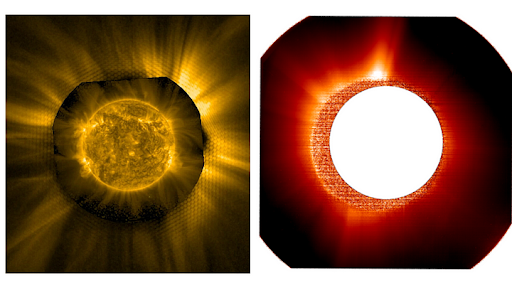
“It is very exciting to make observations that go towards supporting a theoretical model that was put forward to explain what has been one of the most important problems in solar and space physics in the past nearly 60 years,” Zank said. “So, any progress in solving this critical problem of how the corona is heated is a major step forward.”
Zank and his team have been one of the primary developers of theories to explain the heating based on the dissipation of magnetic turbulence generated by the Sun.
The sun’s corona extends 5 million miles into space and consists of a gas of electrically charged particles known as a plasma. While the surface of the Sun is around 10,000 degrees F (6,000 degrees C), the corona is much hotter, reaching 1.8 million degrees Fahrenheit (1 million degrees Celsius). The temperature difference indicates that some physical mechanism for transferring energy into the plasma is at work. Solar researchers have long theorized that turbulence in the solar corona could result in significant heating of the plasma.
Historic cosmic team-up
Cracking the mystery has presented a challenging problem. There are two ways to investigate the Sun: remote sensing and in-situ measurements.
In remote sensing, the spacecraft is positioned a certain distance away and uses cameras to look at the Sun and its corona in different wavelengths.
For in-situ measurements, the spacecraft flies through a targeted region and takes measurements of the particles and magnetic fields encountered.
Solar physicists are investigating the sun with two spacecraft – the Solar Orbiter, managed jointly by NASA and the European Space Agency, and NASA’s Parker Solar Probe.
The Solar Orbiter gets as close to the sun as it can and also performs remote sensing operations, while the PSP gets even closer to perform in-situ measurements to provide specific information about the small-scale processes within the plasma itself. To investigate the temperature differential, it is impossible to gather all the data needed with just one spacecraft.
American and European researchers found a way to coordinate both spacecraft in a collaborative effort by using the Solar Orbiter’s remote sensing Metis instrument in conjunction with the Parker Solar Probe to gather the necessary data. Metis is a coronagraph that blocks out the light from the Sun’s surface and takes pictures of the corona.
On June 1, 2022, the two spacecraft were in a nearly perfect orbital configuration required to make collaborative measurements. To make the maneuver possible, seen in this Metis video, commands were sent to the PSP to roll the spacecraft 45 degrees to position its instruments to produce the first ever simultaneous measurements of the large-scale configuration of the solar corona and the microphysical properties of the plasma.
“The measurements can be interpreted well in terms of the theory,” Zank, a co-author on the resulting paper, said. “While very suggestive, it is not necessarily a unique interpretation, and more measurements are needed before one can definitively conclude that the theoretical approach has properly captured the physics responsible for heating the corona.
“However, observationally, it is a critical and important result in suggesting/indicating the theory is headed in the right direction. The ability to use both Solar Orbiter and Parker Solar Probe has really opened up an entirely new dimension in this research.”
A study from the University of Alabama in Huntsville addresses a central question of climate change research: how much warming can be expected from adding carbon dioxide to the atmosphere through fossil fuel burning and other activities as standards of living increase around the world?
UAH Earth System Science Center Research Scientist Dr. Roy Spencer and UAH Earth System Science Center Director and Alabama State Climatologist Dr. John R. Christy have spent 10 years developing a one-dimensional climate model to answer this elusive question. Their latest research study was published in the September 2023 issue of Springer’s Theoretical and Applied Climatology journal.
Spencer and Christy’s data-based climate model found carbon dioxide does not have as big of an effect of warming of the atmosphere when compared with other climate models.
“For over thirty years, dozens of highly sophisticated computerized climate models based upon theory have been unable to agree on an answer. That’s why we developed our own one-dimensional climate model to provide an answer,” said Spencer.
Current climate models range over a factor of three, from 1.8 to 5.6 degrees Celsius, in the amount of warming produced in response to a doubling of atmospheric carbon dioxide. This warming response to double carbon dioxide is called “effective climate sensitivity.” Determining its magnitude has remained elusive for decades.
When compared to other current climate models, the research results from Spencer and Christy’s one-dimensional climate model approached the bottom end of the range, 1.9 degrees Celsius. The lower UAH value indicates that the climate impact of increasing carbon dioxide concentrations is much less that that based on other climate models.
“An important assumption of our model, as well as the more complex models used by others, is that all climate change is human caused,” Spencer said. “If recent warming is partly natural, it would further reduce climate sensitivity.”
What distinguishes this model developed at UAH from others is that it is driven by observations of warming, rather than theoretical assumptions about how the climate system responds to increasing greenhouse gases. The one-dimensional climate model uses a variety of observational datasets of warming between 1970 and 2021 of the deep ocean and land, along with associated uncertainty ranges. These datasets produced a range of estimates of climate sensitivity based upon basic concepts of energy conservation.
“The 52-year period since 1970 is key. It represents the period of most rapid warming, with the highest confidence in the observational data of deep-ocean warming,” Spencer said.
The results of Spencer and Christy’s research also showed a period of the most rapid growth in atmospheric carbon dioxide. This is due to their climate model accounting for heat storage in deeper layers of land, which other climate models ignore.
A critical advantage of their simple model is that it conserves energy.
“It should be a requirement that any physics-based model of global warming should meet,” Spencer said. “Current computerized climate models continue to have difficulty achieving this aspect.”
The model is simple enough that other scientists can easily adapt it to updated or improved global temperature measurements as they become available.
The research was supported by the United States Department of Energy.
The University of Alabama in Huntsville has developed a cybersecurity software for the U.S. Army Space and Missile Defense Command, the university announced. The software began performance testing on one of Lockheed Martin’s In-space Upgrade Satellite System (LM LINUSS) technology demonstrator CubeSats. The software, Small Satellite Defender, is an intrusion detection system designed for small satellites.
The Small Satellite Defender – created by UAH students, UAH Center for Cybersecurity Research and Education (CCRE) staff and SMDC cybersecurity engineers – will continue to run for several weeks collecting data and periodically transmitting data to the ground station. The students are members of the Space Testing and Resiliency Simulation team (STARS), who perform small satellite research and development for USASMDC.
“We are extremely proud of our students. Originally, they wrote the software and completed it for SMDC, and then Lockheed Martin approached us to collaborate with their LM LINUSS program,” said Dr. Tommy Morris, director of the UAH CCRE. “Our students restructured their code to run on LM LINUSS, passed tests on a Lockheed Martin laboratory model and developed an in-flight test plan with Lockheed Martin engineers.”
The Small Satellite Defender runs with relatively low power, monitors for satellite specific threats and requires very low bandwidth. The software is collecting data for multiple weeks and periodically transmitting the cyber status to the ground station. The initial test results indicate the Small Satellite Defender software performed as intended, and the application passed all in-flight tests.
Lockheed Martin began on-orbit operations in early 2023 with the LM LINUSS CubeSats. The internally funded satellite system was part of Lockheed Martin’s mission to validate essential maneuvering capabilities through rendezvous and proximity operations for future space upgrade and servicing missions.
“We are thrilled that LM LINUSS is being utilized above and beyond its original mission objectives, which demonstrates how Lockheed Martin is leading innovation by reconfiguring satellite missions on-orbit,” said Bob Behnken, Lockheed Martin’s director of Technology Acceleration for its Ignite organization. “We are proud to partner with UAH to provide this unique STEM opportunity for their students and to help strengthen cyber resiliency.”
UAH is a member of the SMDC’s Underserved Community Cybersecurity and Engineering Educational Development initiative, known as SUCCEED. The program began as a joint initiative between SMDC and UAH to create a talent pipeline and reach students at underserved high schools and universities across the state and beyond.
“Our students are leading the way for cybersecurity research and development programs. Their agility and knowledge allow for greater collaborations such as this with our industry and government partners,” said UAH President Dr. Charles L. Karr. “UAH is pleased to see our graduates also engaging in cybersecurity initiatives around the state. On the project alone, there were UAH alumni working for SMDC. We congratulate our students and graduates working in cyber.”
The state of Alabama is working to strengthen its STEM workforce. Through various technology initiatives, universities across the state are encouraged to create a conduit to the industrial base. Cybersecurity engineering is one of the major priorities.
“Recruiting, retaining and expanding 21st century jobs in Alabama requires us to encourage future generations of workers who are well-trained in the STEM pathways,” said Lt. Gov. Will Ainsworth. “UAH’s Small Satellite Defender on-orbit demo, enabled by Lockheed Martin’s LM LINUSS, is a key tool in developing those skills and is one of the early successes in our statewide initiative called Strengthening Alabama’s Critical Infrastructure Resiliency, which is known by the acronym SACIR.
“The technology sector is an important bedrock in Alabama’s economy, and these programs help ensure it remains healthy,”
A researcher at the University of Alabama in Huntsville has been awarded a $179,000 subcontract to explore community-based strategies for reducing high-burden chronic disease like obesity, diabetes, heart disease and cancer as part of an overall award totaling $4.2 million. The funding is being provided by the National Institute on Minority Health and Health Disparities (NIMHD).
Dr. Jennifer Bail, an assistant professor in the College of Nursing at UAH, will be the subcontract principle investigator in support of an overall grant study titled, Community-Based Strategies to Reduce Cardiometabolic Diseases in the Deep South.
Nearly three out of four adults in the United States are overweight or living with obesity, with the highest rates among Black people, rural residents and lower socioeconomic groups.
“Over the past decade, obesity trends have been generally stable for men, but have increased significantly among women,” Bail said. “This is particularly true among Black women who have an obesity prevalence of 57%, compared to 40% in white women.
“Black women living in rural settings also have higher rates of obesity compared to their same race/sex peers in urban settings.”
Evidence-based interventions that promote weight loss, healthy diet and physical activity have been shown to be effective at slowing the conversion of pre-diabetes mellitus and hypertension to diabetes and heart failure, the researcher reports. However, Bail explains that “despite multiple large, well-designed randomized clinical trials, proven weight loss interventions have failed to reach populations at highest risk and often result in less weight loss among Black participants than other racial groups.”
Residents of rural communities report greater environmental barriers to healthy eating and physical activity than their urban/suburban counterparts.
“Larger food stores are more likely than smaller grocers and convenience stores to stock healthy foods at lower cost,” Bail said. “As such, behavioral change interventions alone may be insufficient for positive and sustained outcomes if the environmental context is not supportive of the healthy changes.
“In contrast, supportive environments for individual behavior change have shown promise in improving diet, increasing physical activity and reducing obesity.”
Through a study named Stepping Into Lifestyle Changes (SILC), this research aims to reduce chronic disease burden and health disparities among Black women living in the rural Deep South by combining a weight loss intervention called Journey to Better Health with a mentored vegetable gardening intervention known as Harvest for Health.
Approximately 264 Black women will be enrolled in the SILC study. Lay health educators, who are trusted local community members, will recruit 20-25 study participants in each of the 12 targeted rural counties, including Barbour, Butler, Conecuh, Macon, Perry and Wilcox counties in Alabama, as well as Clay, Holmes Jasper, Jefferson, Noxubee and Wilkinson counties in Mississippi.
“The targeted counties have historically lacked access to adequate health and social services and have higher percentages of persons living in poverty than national and state averages,” Bail said. “Potentially eligible women will be identified through announcements in church bulletins, presentations at local community meetings, fliers and word-of-mouth.”
Combining these two evidence-based interventions addresses multiple domains (behavioral, personal environment, sociocultural) and levels (individual, interpersonal, community) of influence on chronic disease risk factors and may result in better implementation and effectiveness outcomes.
“By reducing environmental barriers to healthy eating and increasing opportunities for physical activity, we hypothesize greater improvements in clinical outcomes, such as weight, blood pressure and glucose, among participants in the JTBH plus H4H interventions versus JTBH alone,” Bail said.
U.S. News & World Report has released its list of the 2024 Best Colleges in the country, and a lot has changed in a year.
Since last year’s list was published some of Alabama’s schools have risen in the ranking, while others have fallen. Many of the changes are related to a new focus by the publication on social mobility and outcomes that are possible for graduating college students.
This year, Auburn University moved up four spots from 97 to 93 and was the only college in the state to crack the top 100 on the list. It was also ranked 47th among the nation’s public colleges
“Auburn’s mission is to provide our students with an exceptional experience that prepares them for life and, more importantly, to contribute their knowledge and talents for the public good,” Auburn President Christopher B. Roberts said. “While these rankings certainly reflect the extensive and exceptional efforts of our faculty and staff to deliver innovative academic programs, they also reflect our institution’s commitment to improving real and measurable student outcomes.”
The next highest ranked state university was the University of Alabama in Huntsville, which came in at 227 on the list representing a 35-spot jump from last year.
Almost all of the other schools that cracked the top 500 dropped in the rankings:
- University of Alabama at Birmingham, 142, dropped five spots
- University of Alabama, 170, dropped 33 spots
- Samford University, 185, dropped 58 spots
- University of South Alabama, 382, previous rank not given
- Alabama State University, 394-435, previous rank not given
To be ranked, institutions had to meet the following conditions: have regional accreditation, be included in Carnegie’s Basic classification but not designated as a “highly specialized” school, enroll at least 100 undergraduate students, have reported financial expenditures data to the U.S. Department of Education’s Integrated Postsecondary Education Data System (IPEDS) finance survey, and have reported a six-year graduation rate of full-time, first-year bachelor’s degree-seeking students in recent years.
Surveyed schools not passing all of these criteria are listed as unranked.
Austen Shipley is a staff writer for Yellowhammer News.
Real-time data from soil moisture sensors built at the University of Alabama in Huntsville Earth System Science Center, a part of the University of Alabama System, played a key role in the Alabama Forestry Commission’s decision to call off last month’s prescribed burn at Gulf State Park.
“This is the first time our team has had real-time soil moisture measurement data at a prescribed burn site,” said Alabama Forestry Commission Fire Analyst Ethan Barrett. “This data was invaluable, as we have a certain threshold of how dry the soil conditions can be to conduct a prescribed burn.”
UAH Earth System Science Center Research Scientist and Associate State Climatologist Dr. Lee Ellenburg installed five soil moisture and temperature sensors within the prescribed burn area at Gulf State Park this year. The sensors were developed by Ellenburg’s team at UAH, including UAH Department of Atmospheric & Earth Science Student Specialist Nick Perlaky. The sensors can measure moisture content from the surface to approximately two feet below ground.
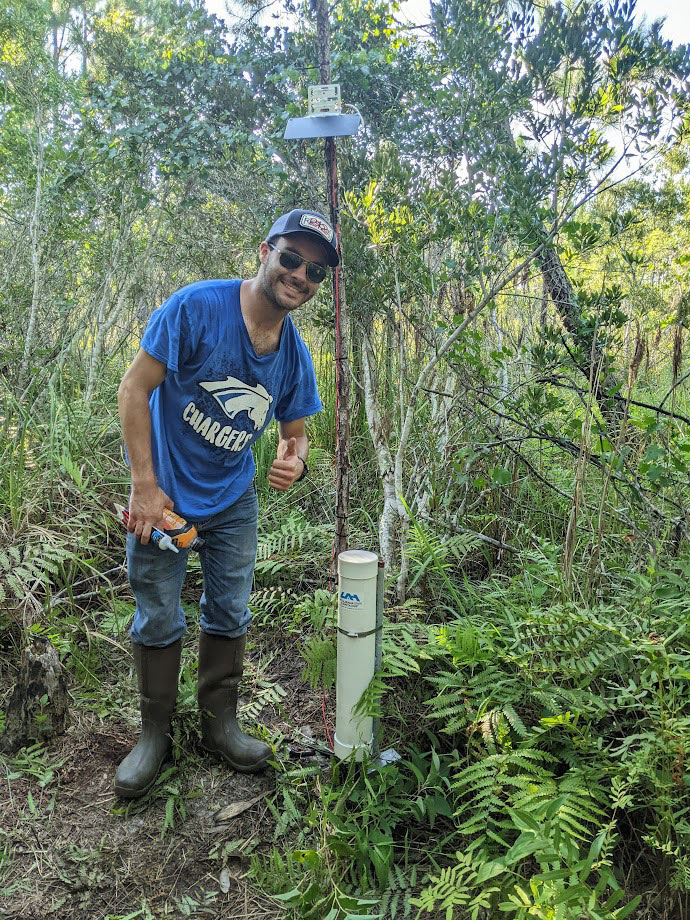
“The soil moisture sensors indicated quickly-drying soils within the prescribed burn area in late July that began to translate to a dropping water table,” said Ellenburg. “This provided an early warning for conditions to come.”
The Alabama Forestry Commission said the safety of its firefighters and the public is number one priority. The thresholds set by the organization considers not only how dry soils are, but also wind speed, rain and humidity that has occurred over the prescribed burn site.
“The data that UAH provided gave us a two-week heads-up of what conditions on the ground were and allowed us to plan accordingly as the window for the burn approached,” said Barrett.
UAH’s sensors, in conjunction with fire modeling used by the Alabama Forestry Commission, can help investigators to more intuitively monitor fire danger to accurately implement burn restrictions to prevent future wildfires.
“The soil moisture sensors are part of a broader research initiative investigating the role of soil moisture in determining the health of the vegetation on the ground, and thus how the fire will respond,” said Ellenburg.
Prescribed burns are planned fires initiated to help destroy low-lying brush that can serve as fuel for wildfires. Prescribed burns are also necessary in helping to maintain healthy native ecosystems.
The information collected by the sensors can also help forest managers better understand secondary fire effects, such as tree mortality. Alabama is home to 23 million acres of timberland across the state, the second largest in the United States.
UAH will continue its partnership with the Alabama Forestry Commission. Subsequent research will include improving scientists’ and fire analysts’ understanding of fire behavior and secondary fire effects, such as tree mortality and impacts on wildlife.
Electrical engineering senior design students at the University of Alabama in Huntsville recently designed an automated chlorine dispenser to upgrade the water supply for a village in Sabana Larga, Nicaragua.
The project was performed in conjunction with the UAH chapter of Engineers Without Borders. EWB USA is a non-governmental organization which works on engineering-oriented international development work.
Four electrical engineering students – Nicole Barnes, Noah Girkin, Audrey Simms and Mary Stewart – worked together as “Team Gyrados” to design and implement the dispenser system as part of their 400-level senior design course. The team is advised by Dennis Hite, a senior lecturer in electrical and computer engineering.
“UAH EWB has been working in partnership with Vanderbilt University’s EWB chapter to create a new water supply system for the village,” said Zach Helton, the president of UAH’s student chapter of EWB. “To say that I’m impressed with Team Gyarados’ work would simply be an understatement. We have remained in contact with the members of the team to make any modifications to the system in preparation for our eventual implementation trip to Nicaragua.”
Sabana Larga, population 209, is a remote village in the mountains of northwest Nicaragua. The community has faced a critical issue of access to potable water following a tropical storm that left the inhabitants with a broken water distribution system and an insufficient supply of water. This caused people to travel up to one mile each way to obtain a daily supply.
The community asked EWB to design and implement a water system, a four-part project that incorporated source development, water distribution, water storage and water treatment.
During the assessment trip to select a freshwater source, testing revealed the presence of E. coli in the new source. To ensure safety, the UAH team developed an automated chlorine dispenser to treat the community’s drinking water for the bacteria, while continually monitoring water quality.
“I was excited that we found a project that would result in helping people improve their everyday lives,” said Simms. “It was a big motivation throughout the project to know where this project would end up and that it can help more than 200 people receive clean drinking water.
“I was also glad that we were able to partner with a university club, Engineers Without Borders, at UAH to help with a project and that our classes gave us the skills needed to complete it.”
The team incorporated electronics to control the bypass valve and provide feedback water quality measurements to a microcontroller programmed to automate the chlorine dosing. The system determines how much chlorine dosing is required by monitoring the water quality to report back pH and oxidation reduction potential measurements (ORP). ORP is an important measurement to quickly determine overall water sanitation.
If the system determines more or less chlorine dosing is required, it regulates the total water flow over 3-inch chlorine tablets. The implementation of the water project will be performed in two phases to supply the community with potable drinking water. The water pump and storage tanks will be set up this fall, with the chlorinator and distribution lines to follow in spring 2024.
The project proved to be interdisciplinary in nature, as coursework supporting the completed design included senior design and electrical circuit and systems design and modeling; controls and robotics; three computer programing engineering classes and assembly language support for programming a microcontroller.
The team also used skills learned from the UAH College of Arts Humanities and Social Sciences to produce written technical documentation for the community as a User Manual in formal Spanish.
Recognizing the potential benefits of using artificial intelligence in the classroom, the University of Alabama in Huntsville has developed resources to help faculty and students incorporate this cutting-edge technology in ethical, responsible and effective ways to enhance learning.
The new guidance goes into effect this semester.
“Part of our mission at UAH is to educate individuals in innovation and critical thinking,” said Dr. Michelle Greene, director of the Enhanced Teaching and Learning Center at UAH. “Artificial intelligence does not replace the need to learn material or think critically.”
Greene, who is also a lecturer in the Department of Chemistry, led the campus task force that compiled AI resources and guidelines for faculty and students.
“Because AI provides everyone with tools to do certain tasks quicker and easier, we are providing resources to help the faculty figure out what role AI can play in the classroom and in the future lives of our students,” she said.
“It is our responsibility to give students the knowledge and experience to ask the right questions and ethically incorporate new technologies into their lives.”
ChatGPT is just one of many AI tools available to faculty and students. It is designed to create human-like conversation in natural language to answer user questions. Other AI tools focus more directly on academic research, including Consensus, designed to extract information from scientific research to offer evidence-based answers, and Research Rabbit, a citation-based literature mapping tool designed to reduce search time for sources.
UAH’s general AI guidelines point out that users of these tools should be aware that they are prone to inaccuracy and that all answers should be independently verified by users for accuracy in content and documentation.
Teaching guidelines offer examples of how AI tools and their products could be incorporated into assignments as well as discussion or debate topics:
-
Ask students to prompt ChatGPT to explain a concept from class then critique the answer given.
-
Ask students to analyze or improve products created by generative AI.
-
How might the improvement of AI models lead to changes in the job market that awaits you after graduation?
-
What sorts of privacy concerns should users have related to AI data collection?
It is up to faculty to decide whether AI will be used in their courses. If AI is allowed, faculty may restrict its use to certain assignments or may let it be used without restrictions. Faculty must make their classroom policies related to AI use clear and accessible to students.
Whenever AI is used, it must be properly documented and cited in all student work. Students who violate the AI policy will be subject to disciplinary action for academic misconduct.
Dr. Azita Amiri, an associate professor with the College of Nursing at the University of Alabama in Huntsville, a part of the University of Alabama System, has been awarded a $25,000 Network of Practice Grant by the Bloomberg American Health Initiatives, Johns Hopkins Bloomberg School of Public Health, to examine life expectancy inequities in Alabama.
The researcher plans to use findings from the project to develop a community-centric blueprint designed to address social environmental determinants of health in selected neighborhoods in the region.
“Evidence is convincing that social and built-environmental conditions affect health, including life expectancy, as much as genetics and other personal characteristics,” Amiri said. “In the United States, life expectancy varies widely across geographical regions, neighborhoods, and even city blocks. Equitable societies and built environments, such as access to healthcare centers or healthy food groceries, are essential for equal life expectancies.”
Fifty-five out of 67 Alabama counties are considered rural, comprising 44% of the state’s population, based on 2020 U.S. census data, and 58 of the counties are designated “medically underserved,” Amiri said.
“Rural populations in Alabama suffer from an unequal distribution of resources, poverty, low literacy, environmental injustice and unequal disease burdens from cancer, diabetes, cardiovascular disease and all-cause mortality,” he said.
The study will use life expectancy data from the Center for Disease Control’s U.S. Small-area Life Expectancy Estimates Project to support the effort, as well as health data from the Agency for Healthcare Research and Quality within the U.S. Department of Health and Human Services.
“Based on the 2022 America’s Health Rankings composite measure, Alabama is ranked 45th out of 50 states in America’s Health Rankings, according to the most recent data, and among the states with the lowest life expectancy, Alabama is 49th after Mississippi,” said Amiri. “Multiple factors, including the lack of access to care and high rates of physical inactivity, premature death, low birth weight, multiple chronic conditions and obesity drive this poor standing.”
Amiri will be supported by Dr. Shuang Zhao of the UAH Political Sciences Department, certified in public health policy, and a UAH Nursing Ph.D. candidate. The research will focus in particular on environmental challenges in the areas selected for study, and the findings of the initiative will be presented to state officials to propose cost-effective interventions aimed at addressing these challenges.
“Five neighborhoods with low life expectancies and high disparities will be selected, and focus group sessions for each will be arranged to discuss the problems and seek input and solutions from community members and leaders,” Amiri said.
Dr. Shima Hamidi, a Bloomberg assistant professor in the Department of Environmental Health and Engineering, will act as faculty advisor for the project and will tour the selected areas, discuss data analysis and address community member feedback.
“Dr. Hamidi and community representatives will meet with state officials, such as the Governor, state representatives and the head of the Alabama Department of Public Health in Montgomery to discuss proposed next steps,” Amiri said.
Environmental determinants affecting life expectancy will be identified using a variety of relevant databases. Examples include the Food Access Research Atlas for locating food ‘deserts’ where it is difficult to buy affordable or good-quality fresh food; Walkscore Inc., for indicators of walkability and transit access; the Fatality Analysis Reporting System within the National Highway Traffic Safety Administration for data on traffic crashes and fatalities; the American Community Survey for population density, socioeconomic and demographic indicators; and the National Incident-Based Reporting System for violence and crime rates.
“We will include socioeconomic and demographic variables in the analysis as well,” Dr. Amiri says. “This will include the proportion of black and other minorities, marital status, education, sex, employment status, race, income/poverty ratio, food stamp/supplemental nutrition assistance programs participants, household income, immigration status, self-care difficulty and insurance/Medicaid coverage.”
In addition, geospatial and census tract data will be used to measure the distance between neighborhoods and health centers, healthy food locations and industrial pollution, while air pollution in each area will be assessed using measurements of particulate matter from the U.S. Environmental Protection Agency.
The high heat, oppressive humidity and periods of little to no rainfall typical of Alabama summers can cause flash droughts that threaten agriculture, the state’s largest industry.
Alabama Drought Reach, a new climate program housed at the University of Alabama in Huntsville, aims to improve communication between scientists and farmers and to use that information to mitigate harm.
The program is a partnership between the Alabama Office of the State Climatologist at UAH and the Auburn University Water Resources Center with support from the Alabama Cooperative Extension System and the Alabama Agricultural Experiment Station.
“The goal of Alabama Drought Reach is to improve drought literacy across the state,” said Brianne Minton, program coordinator. “Not only will it benefit our farmers and the state climate office, but it will also serve as a valuable tool for the general public to
understand how their food and necessities are impacted by drought.”
Information generated by the program will help Dr. Lee Ellenburg, associate state climatologist, better do his job. He oversees setting Alabama’s drought levels each week.
Ellenburg’s report helps determine the classifications of drought, which could allow farmers to receive state and federal drought assistance.
The state climate office uses satellite remote sensing, weather models and in-situ data to
understand how temperature, humidity, soil moisture and precipitation can cause dry-downs during the summer.
“But how Alabama’s crops are impacted is what really defines drought,” Ellenburg said. “We
need to know from farmers how their crops are impacted by the weather. Partnering with
Auburn University in this capacity allows each of us to combine our unique strengths, better
serving our farmers across Alabama.”
To help collect weekly information on the status of Alabama’s crops, the Alabama Drought
Reach program will build a direct pipeline of communication between farmers and the state
climate office, with extension and experiment station personnel serving as liaisons.
Agents will be trained to monitor specific farm sites by taking photos and measuring the scale of wetness weekly. The scale of wetness is determined based on the crop’s critical growth stage and how the crop is faring throughout the growing season. Then they will input the scale of wetness information and photos into an app.
“This information will allow the state climate office to relay to the United States Drought Monitor the justification as to why Alabama should be in a certain classification of drought based on how crops are impacted by weather conditions weekly,” Ellenburg said.
In return, the objective data the state climate office produces will be funneled by the Alabama Drought Reach program to extension and experiment station personnel to be disseminated to farmers within their counties.
To stay informed on the latest drought information for the state, follow Alabama Drought Reach program Twitter handle, @ALDroughtReach.
Calhoun Community College and the University of Alabama in Huntsville signed an Advanced Manufacturing Memorandum of Understanding. The partnership creates a seamless transferable career path for Calhoun students to transfer to UAH.
Calhoun opened the Alabama Center for Additive Manufacturing Excellence in 2019, which is a division of Auburn University’s program.
The school also partners with General Electric, Huntsville City Schools, NASA, and UAH, who assist in curriculum development.
“As the only educational institution in the state of Alabama to offer an Additive Manufacturing Design degree, one of our goals was to collaborate with our ACAME partners, said Nina Bullock, Technologies Department chair and Design Drafting Technology instructor.
While elements of manufacturing and design are regularly taught in classes at Calhoun and at four-year universities, the interaction between students trained in different fields is currently lacking.
“This agreement not only offers a solution that spans cross-disciplinary and inter-disciplinary, but also with multi-disciplinary techniques for remediation,” said John Holley, Calhoun dean of Technologies.
The proposed plan has four main objectives: to team students from the associate’s program at Calhoun with bachelor’s-degree students at UAH on capstone projects that incorporate advanced manufacturing as part of the design realization; to engage graduate students in development of modules for incorporating into existing classes to connect engineering concepts with the demands of the industry’s environment; to install advanced instrumentation on existing equipment to support research efforts into certifying components; and to offer a series of short courses for local industry to disseminate the latest trends in additive manufacturing.
The diverse, inter-disciplinary and multi-disciplinary approach proposed will provide a direct pipeline of future employees to support Alabama industry from Alabama colleges and universities.
Click here to learn more about Calhoun’s Additive Manufacturing Design Degree Program.
A new economic impact study funded by the Alabama Military Stability Commission underscored the role played by the defense industry in the state’s overall economy.
The study’s findings showed the defense industry provides a staggering 264,780 jobs across Alabama. These jobs generated an annual payroll of $19.3 billion.
The total economic impact of military personnel and defense contracts across Alabama amounts to $50.3 billion, according to the report that was compiled by the University of Alabama in Huntsville College of Business.
“From aerospace development in the Tennessee Valley to shipbuilding in the Gulf Coast and at all points in between, the defense industry is vital to Alabama’s economy and job creation efforts,” said Lt. Gov. Will Ainsworth, the commission chairman. “The numbers in this report make the irrefutable case that Alabama must preserve and expand the defense infrastructure already located here while also attracting new companies and assets, as well.”
A more detailed look at the report reveals that 96,340 jobs in Alabama are held by active duty military personnel and 168,439 are filled by Department of Defense contractors.
When divided into regions with heavy military influence, the defense-related jobs are divided as follows:
- Redstone Arsenal Region — 143,156 jobs ($13.2 billion payroll)
- Fort Rucker Region — 28,865 jobs ($2.7 billion payroll)
- Maxwell/Gunter Region — 26,706 jobs ($1.9 billion payroll)
- Coastal Region — 21,331 jobs ($1.02 billion payroll)
- Anniston Region — 13,102 jobs ($1 billion payroll)
- Birmingham Region — 2,583 jobs ($146 million payroll)
- Dallas County Region — 559 jobs ($15 million payroll)
- Marion County Region — 22 jobs ($1 million)
The Alabama Military Stability Commission was created through state statute in 2011 and is comprised of elected officials, cabinet members, and regional appointees from areas of Alabama with a heavy defense concentration.
The panel is tasked with recommending and implementing the steps necessary to protect and promote, the federal military presence across the state.
Grayson Everett is a staff writer for Yellowhammer News. You can follow him on Twitter @Grayson270 for coverage of the 2023 legislative session.
The University of Alabama in Huntsville notched a record $169.5 million in research and development expenditures for Fiscal Year 2022, a 13% increase over FY21, the university announced.
This announcement accompanies the National Science Foundation Higher Education Research and Development (HERD) Survey findings which cover FY21. This marks the 10th year in a row UAH has had five or more research programs ranked in the top 25 nationally for federal research funding, UAH said in a news release.
“Our research enterprises are among the best in the United States and point to the
efforts of our outstanding faculty, staff, students and research centers,” said Dr. Robert
Lindquist, UAH vice president for research and economic development.
UAH is an R1 research university, a ranking indicating “Very high research activity”
status among doctoral-granting institutions rated by the Carnegie Classification of
Institutes of Higher Education.
The university’s five-year research and development expenditures total $754 million since FY18. In addition, the university currently ranks 11th in NASA research expenditures and 17th in FY21 Department of Defense research expenditures, as well.
UAH has five top-20 research programs highlighted in the FY21 survey:
- No. 6 in aerospace/aeronautical/astronautical engineering
- No. 9 in computer and information sciences
- No. 10 in atmospheric science and meteorology
- No. 12 in astronomy and astrophysics
- No. 18 in industrial and manufacturing engineering
“With the vital support and collaboration from our partners in government and industry,
UAH is making a global impact for the betterment of Alabama and the nation,” Lindquist said.
The University of Alabama in Huntsville (UAH), a part of The University of Alabama System, has selected Kristina Hendrix to fill the newly created position of Vice President for Strategic Communications.
UAH’s newest VP officially began her new role on Feb. 1. She reports directly to UAH President Charles L. Karr, and her focus will be on providing leadership for a comprehensive communications strategy for the university, as well as overseeing the management of the Office of Marketing and Communications. The appointment was approved by The University of Alabama System Board of Trustees Compensation Committee.
“The Vice President for Strategic Communications is a key member of the University’s senior leadership team,” President Karr says. “So, I’m very happy to welcome Kristina Hendrix to The University of Alabama in Huntsville. In this role, I am confident she will not only help UAH continue to grow, but also to meet the challenges and many opportunities that lie ahead for our institution.”
Hendrix earned a master’s degree in journalism from the University of Memphis and a bachelor’s degree in public relations from The University of Alabama.
During her career, she has amassed nearly 20 years of communications experience. She is an award-winning public relations executive with extensive expertise in promoting aerospace, national security and advanced manufacturing hardware programs within the Department of Defense, NASA and private industry.
The new appointee comes to UAH from Dynetics, where she held the communications director position since 2016. Additional communication roles include stints with NASA, the Missile Defense Agency and the U.S. Army Redstone Test Center.
A bit of laboratory serendipity led University of Alabama in Huntsville (UAH) researchers to a simple mechanical way to generate electricity to operate electronic devices, says a paper they have published.
Triboelectric nanogenerators use multiple layers of different materials to generate electricity when pressed. While testing a triboelectric nanogenerator in the Adaptive Structures Laboratory of Dr. Gang Wang at UAH, a part of the University of Alabama System, postdoctoral research assistant Dr. Moonhyung Jang observed something unusual.
“During a finger-tapping test performed by Dr. Jang, a Scotch tape was introduced on the top to prevent electric shock,” says Dr. Wang, an associate professor of mechanical and aerospace engineering and the project’s principal investigator.
“An unexpected high voltage was observed. After a careful investigation, we figured out that the tape layer is the reason to cause this,” Dr. Wang says. “This led to our invention that introduces tacky materials to improve the performance of triboelectric generators.”
Consisting of a metalized polyester sheet that’s similar to shiny gift-wrap plastic material and a double-sided tape with an acrylic adhesive layer, the configuration is both simple and cost effective.
“A contact-and-separation motion is required for the current triboelectric generator design,” says Dr. Jang, who is the paper’s lead author. “In our recent paper, we demonstrated energy harvesting when someone is walking by using a shoe integrated with the current triboelectric generator. We can modify the design to meet other applications accordingly.”
Supported by Materials Sciences LLC via a U.S. Army Small Business Innovation Research (SBIR) phase 2 program, the goal of the project is to provide an energy harvesting solution that will power sensors and electronics to track flight times of aviation and missile structures. In the phase I effort, Dr. Wang and his team successfully demonstrated the galloping energy harvesting concept using piezoelectric materials.
Dr. Jang joined the group to support the SBIR phase 2 program on June 1, 2021. Alumnus Jacob Lee of Toney (B.S., Aerospace Engineering, May 2022) is a paper co-author. Lee is now an engineer at the U.S. Army Space and Missile Defense Command.
“We are grateful, as well, for the technical guidance from Dr. Simon Chung, vice president of research and development at Materials Sciences LLC,” Dr. Wang says. Dr. Chung is also a paper co-author.
“A simple idea was to try a triboelectric nanogenerator design by modifying the surface structure of a triboelectric layer using the atomic layer deposition technique,” says Dr. Wang. “This is why we invited Dr. Yu Lei to help us build such prototype in his lab by creating oxidized layers.”
Dr. Lei is the interim chair and an associate professor in the Department of Chemical and Material Engineering, and it was that prototype that Dr. Jang was testing when the unusual readings were noticed.
“Moreover, Dr. Lei also contributed to our current paper and provided lots of suggestions and comments from a material scientist’s perspective,” says Dr. Wang.
The investigators are exploring different concepts to improve the device’s performance. The scientists used an LED display to illustrate the concept, but they say it has much wider potential applications.
“The ultimate goal is to provide a power source for sensor and monitoring systems in different engineering applications,” says Dr. Jang. “We already conducted some tests to demonstrate a wearable sensor concept for the human body.”
(Courtesy of UAH)
Honoring Sen. Richard Shelby as a “staunch advocate for research and education,” the University of Alabama in Huntsville, along with Huntsville and North Alabama community and business leaders, announced the establishment of the Sen. Richard Shelby Endowed Chair in Engineering in the UAH College of Engineering.
“Throughout his decades-long tenure in Congress, Senator Shelby has been a staunch advocate for research and education and made an indelible impact on higher education in Alabama,” said University of Alabama System Chancellor Finis St. John. “The University of Alabama System is deeply grateful for Senator Shelby’s countless contributions and service to our state.
“This endowment will allow UAH to recruit exceptional faculty, further prepare tomorrow’s leaders and honor a true public servant.”
Pending approval from the University of Alabama System Board of Trustees, the endowment will honor the retiring senator. An endowed chair is one of the highest academic accolades a scholarly expert can receive and promotes the highest standard of excellence.
“Throughout my career, I have worked hard to prioritize higher education in Alabama. Our universities are of supreme importance when it comes to the future of our state,” said Shelby (R-Tuscaloosa), who leaves office in January. “I am deeply honored that UAH and community leaders have created this Chair in Engineering in my name. This endowment will undoubtedly be of benefit long after my service in the United States Senate.
“I look forward to the talent that is procured by this fund and the impact it will have on UAH’s students, the Huntsville community and the state as a whole.”
“This is very special for UAH,” said UAH President Charles L. Karr. “Certainly, Senator Shelby has been a great champion for North Alabama, UAH, the University of Alabama System and higher education throughout his tenure. His support has had a tremendous impact at UAH, and in our state and the nation.
“It will be an honor for us to have an endowed chair in his name, and it will allow us to bring outstanding faculty members to UAH – the type of faculty member that will make Senator Shelby proud. In addition, we are extremely grateful to everyone who contributed, making this possible.”
Former U.S. Rep. Bud Cramer saluted Shelby for his contributions to the area.
“Our North Alabama community pays a much-deserved tribute to Senator Richard Shelby today, as we announce an endowed Chair in Engineering in his name at The University of Alabama in Huntsville,” Cramer said. “This endowment will help UAH recruit and retain nationally recognized faculty in the College of Engineering that are training the next generation, highly-skilled workforce that serves the Huntsville community and beyond.”
Shelby was first elected to the U.S. Senate in 1986 and is in his sixth term. He is the vice chairman of the Senate Committee on Appropriations, of which he previously served as chairman.
He is a senior member on the Senate Committee on Rules and Administration, as well as the Senate Banking, Housing and Urban Affairs Committee, of which he is the longest-serving member in the history of the committee.
Shelby also serves on the Senate Committee on Environment and Public Works, and during his tenure he has chaired the Senate Banking Committee and served on the Senate Select Committee on Intelligence, as well.
“I was born and raised in North Alabama, and was privileged to have served in the U.S. Congress with Senator Shelby,” Cramer said. “I saw firsthand his focused accomplishments for our state and region. His impact on Huntsville and North Alabama has been nothing short of remarkable. Huntsville’s metro population has more than doubled since 1986, the year Richard Shelby was elected to the U.S. Senate.
“Federal assets at Redstone Arsenal have grown from 20,000 on-post jobs in 1985 to 44,500 today. Huntsville is now the largest city in Alabama. We are not the same community we were due to his service in the U.S. Senate. We will miss him as our senator and will forever be grateful to him. Thank you, Senator Shelby.”
Shelby’s efforts have helped significantly expand Redstone Arsenal units, missions and tenants, including the Army Material Command, Army Aviation and Missile Command, the Missile Defense Agency, NASA’s Marshal Space Flight Center, DIA’s Missile and Space Intelligence Center and the expanding presence of the Federal Bureau of Investigation.
He has been a vital supporter of the relocation of Space Command to this region as well, which will complement the existing command at Redstone Arsenal. In addition, he was instrumental in securing funds for a new $86 million federal courthouse in Huntsville.
Shelby’s impact on these programs and companies that support them range from $23 billion in NASA SLS appropriations over the past 10 years, to $2.5 billion in support of the
FBI since FY19, as well $17 billion in Department of Defense programs in support of small- and medium-sized defense companies since FY18.
Shelby has also played a key role in bringing important facility and infrastructure enhancements to UAH. Examples include the Shelby Center for Science and Technology, the Intermodal Facility, the Invention to Innovation Center and the first phase of the Altenkirch Lawn greenway.
The senator has been the prime driver of funding to support numerous UAH research projects and programs as well, including the UAH Propulsion Test Facility, climate research, NOAA Tornado Center, Tornado and Hurricane Hazards Operations Center, drought research, transportation, infrastructure and logistics research and optical systems research.
(Courtesy of the University of Alabama in Huntsville)