The Yellowhammer Power & Influence 50 is an annual list of the 50 most powerful and influential players in Alabama politics and business — the men and women who shape the state.
This year’s list is being released in three segments. Yesterday we brought you the most influential people in the Alabama business community. Today’s segment includes politicians and government officials. Be sure to check back tomorrow as we cover the state’s most powerful lobbyists. Names below are listed in alphabetical order.
Don’t miss Yellowhammer’s 3rd Annual Power of Service reception honoring the men and women on the Power & Influence 50 list who leverage their stature to make a positive impact on the state. The event is set to take place Thursday, September 14th at Ross Bridge Resort in Birmingham. Past events attracted a who’s who of Alabama politics and business, including the Governor, Lt. Governor, Speaker of the House, Pro Tem of the Senate, members of Congress, dozens of state legislators and many of the state’s top executives, lobbyists, opinion leaders and political activists. For more information on the event click here and to purchase tickets click here.
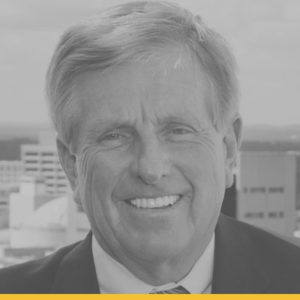 David Bronner, CEO, Retirement Systems of Alabama
Power players generally take one of two approaches to exercising their influence; they choose to achieve their goals through either friendship or fear. David Bronner has gone all in on fear as his chosen method of motivation.
As CEO of the Retirement Systems of Alabama, Bronner oversees a pension system into which more than 300,000 people have paid or are currently paying. This means that he has a communication pipeline to names, addresses, phone numbers and emails for 300,000 Alabamians with a vested interest in engaging the political process. Priming that pipeline with a message advantageous to him allows Bronner to quickly whip up an educated constituency when the time comes to apply pressure to members of the legislature on issues affecting the pension system.
Combine this with the virtual blank checks that RSA receives annually from the state budgets, and you have a powerful system of advocacy at Bronner’s disposal. The fear of being on the receiving end of one of Bronner’s frequently combative newsletters or email blasts has kept many a member of the legislature from pursuing reforms of the pension system.
Bronner is the state’s highest paid employee, and he enjoys a lifestyle that exceeds even that. So he’s not going anywhere anytime soon. And neither is his power and influence.
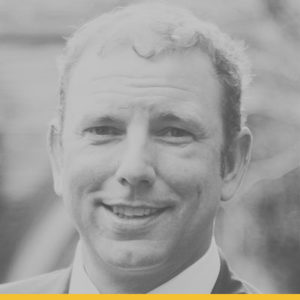 Philip Bryan, Chief of Staff, Office of Senate President Pro Tem
Philip Bryan is becoming an institution on the 7th floor of the Alabama State House. As a result of his work ethic and quick wit, along with the big stick his boss carries, Bryan has become the go-to person for many of the members of the Alabama Senate when they are in need of advice and counsel. His knowledge of the process in the Senate coupled with his savvy political mind has put him in the position of being the hub of information flow within the Statehouse.
Bryan earned his stripes as the communications director for the ALGOP during the historic takeover in 2010. He quickly parlayed that success into his current role in state government and never looked back. Senators and lobbyists alike know and understand that if they want an accurate assessment of where a particular piece of legislation stands at any given point in time, their first stop is Bryan’s office. The senators are generally given an in-depth explanation. The lobbyists? Well, they’re more likely to simply receive Bryan’s wry smile.
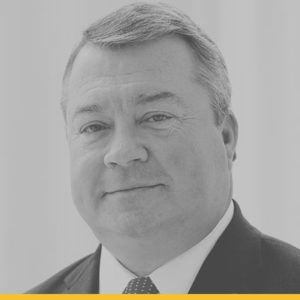 Greg Canfield, Secretary, Alabama Department of Commerce
The day Governor Ivey was sworn in, there was at least one easy decision ahead – Secretary of Commerce Greg Canfield. There is no higher political capital these days than job creation, and Canfield delivers. Upon the announcement his post was secure for another administration, you could practically hear a collective sigh of relief from every economic developer in the state.
Since taking office in 2011, Canfield’s numbers speak for themselves: Alabama has seen $28.5 billion in private sector capital investment and more than 107,000 announced new jobs. In addition, exports have topped $20 billion for the first time in state history. He successfully launched the Made in Alabama campaign that re-branded his office and the state. As if that is not enough, he designed and implemented Accelerate Alabama the state’s economic growth strategy which required the arduous task of passing major incentive reform through the legislature.
In the world of business recruitment, it is not often you get to witness such consistent dominance. Where most organizational leaders may sit back and revel in this caliber of accomplishment, this self-described agent of change is so disturbed by complacency there has been little rest since he has taken office. Canfield is one of the brightest stars in Montgomery, and many would speculate that the only barrier to holding a higher state-wide office is his desire to throw his hat in the ring.
 Clinton Carter, Director, Alabama Department of Finance
Clinton Carter is the first Alabama Director of Finance to appear on the Yellowhammer Power and Influence list. The simple fact he continues to hold this position speaks to his credibility. Having only been appointed to office six months prior, Carter quickly found himself in the new Ivey administration defending his post. But Carter’s impressive experience and refreshing willingness to utilize the position to not only manage the state’s finances but champion policy reform easily kept him in his office.
His resume has perfectly groomed him for the job and includes prestigious schools such as Wharton and Harvard. As the Deputy State Finance Director with the Bentley Administration, he spearheaded a cost-savings initiative generating over $1.2 billion of annual savings to the State of Alabama. Carter served as the CFO and VP of Finance and Business Affairs at the University of North Alabama prior to his appointment as State Finance Director.
But pedigree aside, Carter has a true business approach to state government and is becoming a strong voice for fiscal policy in Alabama. During his first legislative session, he went toe-to-toe with heavyweight Retirement Systems of Alabama on a pilot program that would allow retirees to receive a lump sum payout. When a first-time contender calls the big guy to the mat, the political world takes notice.
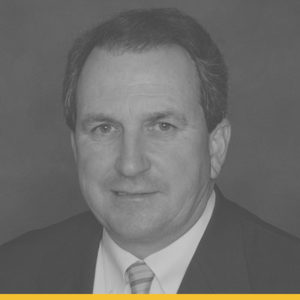 State Rep. Steve Clouse, Chairman, General Fund Budget Committee
Steve Clouse has the unenviable task of annually piecing together the Alabama budget that funds the state’s most controversial functions, including Medicaid, prisons and mental health. However, being a chief policy-maker in these areas also means that Clouse is in a position of considerable power and influence.
Having served in the State House of Representatives since 1995, Clouse has achieved a sustained leadership status in the lower chamber, and he is one of southeast Alabama’s most powerful legislators. With Alabama’s General Fund Budget problems going nowhere in the foreseeable future, Clouse figures to be a political player for years to come.
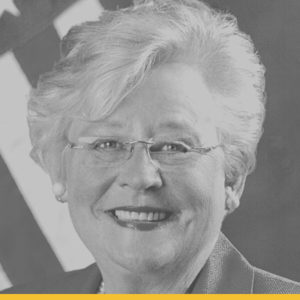 Kay Ivey, Governor of Alabama
If you’ve ever heard Kay Ivey deliver one of her rousing speeches, you may have predicted she’d hit a grand slam when called to the plate. After all, this is not her first time at bat. A seasoned politician who has spent more than 15 years as an elected leader, she has done a masterful job of providing stability to the office and state at a time when it was needed most.
Ivey flexed her executive muscles early when she moved up the special election to fill Jeff Sessions vacated U.S. Senate seat. Since then she has deliberately and decisively made the changes necessary to make the existing Cabinet her own. After being thrust into the limelight, Ivey has shown her true skill is surrounding herself with trusted advisors who, so far, have performed impeccably since taking over the reins of state government.
Her performance to date makes her the odds-on favorite in a heavily contested race should she decide to run for re-election in 2018. What remains to be seen is after being called up, will she have the stamina to stay in the game. All signs indicate she will.
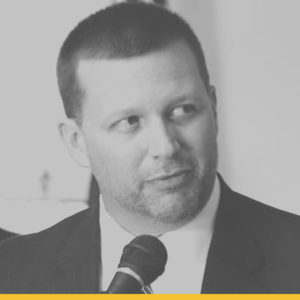 State Rep. Mike Jones, Chairman, House Rules Committee
Mike Jones makes his first appearance on the Power and Influence 50, and a smart wager would be that it will not be his last. The newly-minted House Rules Chairman has already placed a large imprint on the workings of the Alabama State House.
Rules Chairman has traditionally been a position of great power and influence. As Chairman of the committee that determines the order of bills taken up each legislative day, Jones has the ability to set legislative priorities, which in turn provides him substantial leverage in dealing with lobbyists as well as his own colleagues.
That, by itself, would earn Jones a place on any list of power brokers. In addition, though, Jones has taken on the role of close confidant to Speaker Mac McCutcheon. Much of the recent restructuring in the House has occurred with significant input and guidance from him. Jones’s power and influence only stand to increase from here.
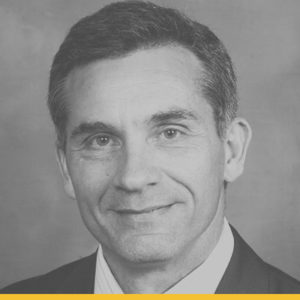 State Sen. Del Marsh, President Pro Tem
Of the forefather’s behind the GOP takeover in 2010, Del Marsh is the last man standing, making him arguably the most powerful person in the state. While most of the other areas of Alabama state government have experienced scandal and shifting sands, the Alabama Senate has remained above the fray, and that is directly attributable to Marsh’s leadership style and servant’s heart.
A man who has experienced a great deal of success outside of politics, Marsh carries an attitude of someone who doesn’t need the job, but rather simply wants a platform to make Alabama a better place. He is one of the most respected politicians in Alabama’s sordid history because his colleagues understand that while they may not always agree, they will, without question, get a fair shake from Marsh along with a genuine effort to bring all sides together. In the current divisive political world both at the national and state level, what more could you ask for in a leader?
By announcing his intention to seek re-election to the Senate, Marsh signals his desire to work with his close friend and ally, Governor Ivey. Their coupling could set the stage for conservatives affecting notable change over the next quadrennium.
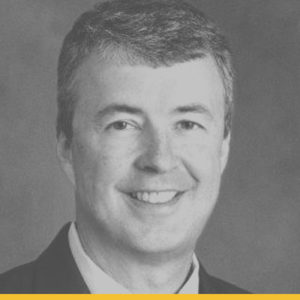 Steve Marshall, Alabama Attorney General
Appointed as the 48th Attorney General in Alabama, Steve Marshall has already entered the scene with an inaugural victory of losing the albatross that comes with being one of Bentley’s chosen. Marshall has navigated these waters before. Upon appointment by Don Siegelman in 2001, he served as Marshall County District Attorney for 16 years, never once facing opposition in re-election. Then he successfully switched political parties in 2011.
Known for his calm, even-keeled demeanor, Marshall is one who speaks softly but has demonstrated that he will hold a firm line when it comes to defending the law in Alabama. Since stepping onto the stage, Marshall has swiftly reacted to controversial issues like parental consent for abortions, and most recently enforcing penalties against the City of Birmingham for covering a Confederate memorial.
Marshall will likely meet some formidable opponents when he seeks his first state-wide election in 2018. His ability to capitalize on the benefits of incumbency may prove he is one to watch in Alabama’s political future.
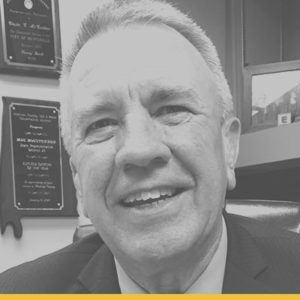 State Rep. Mac McCutcheon, Speaker of the House
What a difference a year makes. Mac McCutcheon quietly resided on the 2016 Power and Influence 50 as a committee chairman and loyal member of the leadership team of former Speaker Mike Hubbard. McCutcheon is now Speaker McCutcheon, and Hubbard is a convicted felon who is completely out of politics.
McCutcheon entered the Speaker’s office under very difficult circumstances at the end of 2016 and presided over a session in 2017 that contained the type of rough patches expected in that situation. With a full year of prep under his belt, the spotlight will be on McCutcheon during the next regular session. The Speaker of the House has tremendous power and influence over legislative process and agenda. McCutcheon has already availed himself of these powers with numerous changes in committee chairmanships and committee structure.
McCutcheon is one of the nice guys at the statehouse. He is known for his selflessness, which is a scarce commodity in politics. The trick for McCutcheon will be channeling those traits into a leadership style that will allow him to experience a level of power and influence unattainable for most.
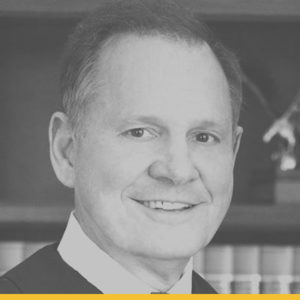 Judge Roy Moore
A recurring theme in the career of Roy Moore is that he is the exception to the rule. Getting removed from office – let alone twice from the same office – is a career-ender for any elected official. Not Roy Moore. Most candidates for political office suffer as a result of negative advertising against them. Not Roy Moore. Running in a special election makes for a more difficult campaign. Not for Roy Moore.
And for most elected officials on this list, the office they hold is their primary power and influence generator. Not Roy Moore. During those times when Moore actively served in a judgeship, his power and influence were actually constrained by the office he held. Moore’s brand needs no further development. He is of a stature that he can create his own platform to deliver his message. Once the Court of the Judiciary removed Moore from office, his level of power and influence soared.
Moore’s position as one of the most prominent political figures in Alabama’s history could be cemented on September 26.
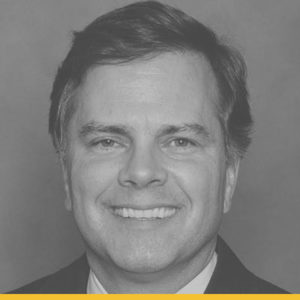 State Sen. Arthur Orr, Chairman, Education Budget Committee
Senator Orr has been a consistent face on this list by nature of his leadership position in the State House where his hand has been on the state’s purse strings for over six years. Previously serving as Chairman of the General Fund Budget Committee, Orr successfully navigated year-after-year of budget shortfalls. Now, in his most recent position as Chairman of the Education Budget Committee, he drives the engine that allocates over $6 billion of state resources.
There is arguably no statesman who is stronger back home than Senator Orr. His ability to fundraise and his bond to his community provides a certain strength that has him unconcerned about his popularity amongst the lobbying class of Montgomery insiders. However, the double edge sword of that bond heightens his sensitivity when the calls ring from his district on tough issues like education reform.
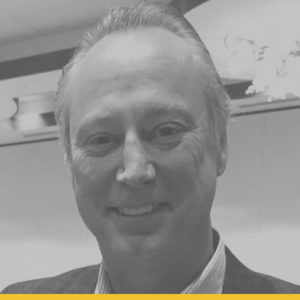 Steve Pelham, Chief of Staff to Governor Kay Ivey
In every administration, there is that one “go-to” person whom the governor trusts and relies on more than any other. Sometimes it is a cabinet member; sometimes it is a prominent supporter from the governor’s hometown. In the case of Governor Kay Ivey, that “go-to” person is her Chief of Staff Steve Pelham.
Pelham is smart, approachable and yet carefully measured in his interactions. All traits necessary to serve as an effective chief of staff. More than anything, though, he is relentlessly loyal to Governor Ivey. Pelham managed Ivey’s first campaign for Lt. Governor and worked as her chief of staff for the entirety of her tenure in that office. Several months before Robert Bentley forcibly resigned, Pelham had already started transition planning for his boss.
Pelham has taken on a meaningful role in not only the day-to-day operation of the governor’s office but also in the decisions involved in implementing Governor Ivey’s long-term vision for the state. In the early stages of the Ivey Administration, Pelham has established himself as a top power player.
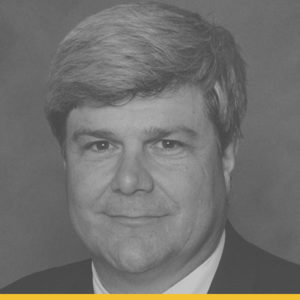 State Sen. Trip Pittman, Chairman, General Fund Budget Committee
Trip Pittman is approaching the final year of his career in the Alabama State Senate, and no one in the statehouse expects he will leave quietly. No member of the Alabama Legislature operates with more determination than Pittman. His booming voice and big ideas have helped Pittman carve out a prominent role in any debate on the floor of the Senate, in committee or behind closed doors.
Conservatives across Alabama should feel gratified that Pittman chairs the General Fund committee. His strong personality and commitment to smaller government make him the perfect manager of Alabama’s beleaguered budget.
Pittman’s willingness to hold state agencies accountable and his palpable disdain for lobbyists allows him greater control of the process, thereby increasing his own power and influence.
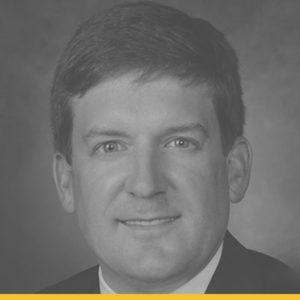 Rep. Bill Poole, Chairman, Ways and Means Education Committee
It is obvious that anyone with a hand on the state’s largest budget wields incredible power and influence, but that may be the least remarkable thing about Representative Bill Poole. When colleagues are asked about his talents, they remark of his intelligence, drive, focus, savviness or simply, his likability. But what makes Poole such an impressive member of the legislature is that he is years ahead of his time in all of these qualities.
On the battlefield that is Alabama politics, Rep. Poole’s real superpower is his ability to think globally. Most soldiers are too busy engaging in combat to see the big picture, but like any great leader will tell you, it takes a comprehensive approach to problem solving to be successful. He does not attack issues with narrow focus, yet sees the landscape from above and maneuvers through policy issues with a unique clarity and prowess.
Possibly this is the reason he removed himself from the contest when a vacancy in the Speaker’s office presented itself. Immediately upon entering the largest freshman class of Republicans in State House history, he has risen to the top of the class. Whatever move he makes next, of the ones to watch, Poole is the one to watch.
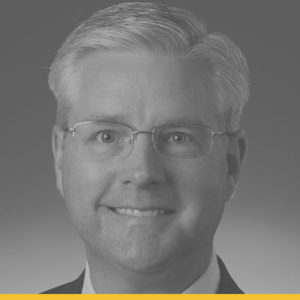 State Sen. Greg Reed, Senate Majority Leader
Reed’s star has risen quickly in the Alabama Senate since his election in 2010. The heir apparent to the Pro Tem’s position and close ally to current Pro Tem Del Marsh, Reed has gained the trust of the members of the Senate by remaining a calm, steady hand even in the most turbulent of times. Much like “The Wolf” was summoned to solve tough problems in the cult classic film Pulp Fiction, Senator Reed is constantly working to mediate disputes between members to keep the trains moving on time in a place that can be shut down at a moment’s notice by something as trivial as a bruised ego. Managing these personalities is a tough job, and Senator Reed handles it masterfully.
Most Montgomery insiders will tell you that there is really no ceiling for Reed. The Walker County native is as talented as a politician as there is in the state. A staunch conservative who has his own gospel music album, no one will ever be able to run to the right of Reed. Yet, he balances this perfectly by also being a strong advocate for business, particularly in the area of health care policy. If you’re looking for the perfect mold for a political candidate in the State of Alabama, look no further than “The Wolf” and don’t be surprised to see him being listed as Governor Reed on this list at some point in the future.
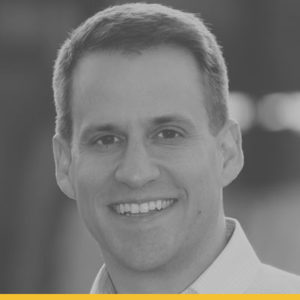 Bryan Taylor, General Counsel for Governor Kay Ivey
Sometimes people leave the political stage for a while only to return for a second act. In the case of Bryan Taylor, not only has he returned for a second act, but he has demonstrated even more power and influence this time around. Taylor represented Autauga and Elmore Counties in the Alabama State Senate for one term. After choosing not to seek re-election in 2014, he largely stayed out of the political mix until Governor Ivey named him General Counsel upon taking office.
Taylor has flourished in his new role. He has driven key policy decisions in the administration and has earned the trust of the Governor. As a veteran of the Riley Administration and a fearless reformer in the legislature, he understands the path forward for an incumbent governor seeking election to a full-term.
The ability to provide trusted counsel to the Governor will only expand Taylor’s power and influence.
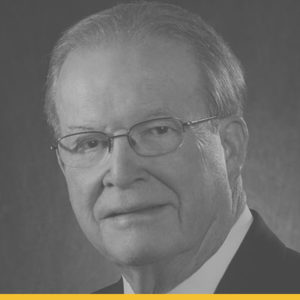 State Sen. Jabo Waggoner, Chairman, Rules Committee
Not a single piece of legislation makes it to the floor of the Alabama State Senate without the approval of Jabo Waggoner. This alone makes Waggoner one of the state’s preeminent power players. Throw in his uncanny ability to deal with people and discern their intentions, and he is often playing chess while others are relegated to playing checkers.
Waggoner is also someone who exercises his power and influence through friendship. He is beloved in his district, respected by lobbyists and revered by his fellow senators. When Jabo Waggoner speaks, people listen. His career in public service provides a blueprint for statesmanship.
Take note and appreciate the illustrious career of Jabo Waggoner.
 State Sen. Cam Ward, Chairman, Judiciary Committee
Resiliency is a vital trait for any successful politician, and Cam Ward’s cup overflows with it. After facing some personal challenges the last couple of years, Ward has made a strong political comeback in 2017. As a result, he regains a seat on the Power and Influence 50.
During the 2017 session, Ward single-handedly muscled through the Alabama Legislature an insurance mandate the likes of which were thought extinct after the Republican takeover. Facing opposition over budgetary concerns, he was able to harness emotional support over the issue and pass a bill most thought would never see the floor.
Ward also retains a deft touch as Chairman of the Senate Judiciary Committee. There is constant tension in that committee over the interests of the business community and that of the plaintiffs’ bar. Balancing those interests is never easy, yet Ward has managed to do so and come away with his power and influence intact.
The Yellowhammer Power & Influence 50 is an annual list of the 50 most powerful and influential players in Alabama politics and business — the men and women who shape the state.
This year’s list is being released in three segments. Today’s segment includes politicians and government officials. Check back throughout the week for additional segments on the state’s most powerful lobbyists and businessmen. Names below are listed in alphabetical order.
Don’t miss Yellowhammer’s 2nd Annual Power of Service reception honoring the men and women on the Power & Influence 50 list who leverage their stature to make a positive impact on the state. The event is set to take place Friday, May 13th at the Grand Bohemian Hotel in Mountain Brook. Last year’s event attracted a who’s who of Alabama politics and business, including the Governor, Lt. Governor, Speaker of the House, Pro Tem of the Senate, numerous members of Congress, dozens of state legislators and many of the state’s top executives, lobbyists, opinion leaders and political activists. For more information on the event click here and to purchase tickets click here.

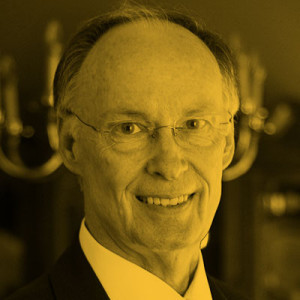
Governor Robert Bentley
Alabama’s scandal-ridden governor is in the midst of the most tumultuous period of his tenure in the state’s top office at a time when he thought he would be in full-on legacy-building mode.
His “Great State 2019” plan has been mostly ignored in the wake of audio evidence that he had an affair with his senior political advisor. The scandal has once again thrust Alabama into its familiar role as the butt of national media headlines. But perhaps more importantly, economic developers have expressed frustration that Bentley’s indiscretions are impacting the state’s ability to recruit jobs.
Threats of impeachment have further weakened Bentley’s influence on the legislative process, which was already limited by his veto being easily overruled by a simple majority vote.
In spite of it all, the governor still wields significant power over the dozens of executive branch agencies. The administration has shown a particular willingness to use its control over infrastructure projects as leverage to bend other government officials to Bentley’s will.
He was adamant during his first term that he would not allow himself to be remembered as a “caretaker governor.” Assuming he is not removed from office, he has a couple of years left to shape posterity’s opinion of what exactly it was he “took care of” as Alabama’s 53rd governor.
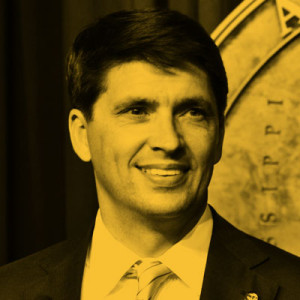
Senator Slade Blackwell, Banking and Insurance Committee Chairman
Outside of the senate president pro tem, majority leader, and the two budget chairmen, there is relative parity among Republican senators when it comes to power and influence. But Blackwell’s stock his risen significantly this year.
The young Mountain Brook senator’s superior talent was never in doubt, but the 2016 legislative session has been perhaps the first one to which Blackwell has been able to devote his full attention since he was first elected in 2010.
His vast business interests have given him a firm grasp on the finance issues he deals with regularly as the chairman of the banking committee, and his renewed focus on legislative issues has made him a player in the behind-the-scenes wrangling on matters ranging from Gulf State Park to infrastructure funding.
Blackwell is mentioned in almost every conversation about future statewide candidates. He is a fundraising juggernaut, which will likely make him a key component of next quadrennium’s senate leadership team, assuming he sticks around for another term.
His trump card is that many of the state’s most powerful and influential business leaders live in his district, which includes the most affluent zip code in the state.
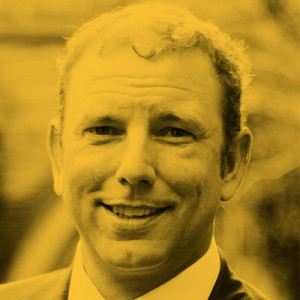
Philip Bryan, Chief of Staff to Senate President Pro Tem Del Marsh
Bryan has been a staple on the Power and Influence 50 since its first iteration shortly after Republicans came to power in 2011 and he positioned himself as Marsh’s right-hand-man.
He is always operating, always working an angle, and always advocating for his boss’s position. His work ethic and talent will make him a coveted governmental affairs asset in the private sector when the time comes, but until then he is the most powerful legislative staffer by a long shot.
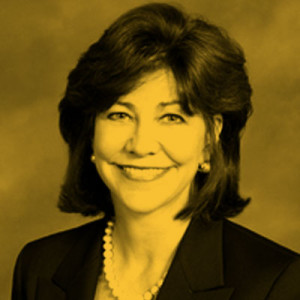
Leura Canary, General Counsel, Retirement Systems of Alabama
Canary’s official title makes her the top legal counsel for Alabama’s public pension system, but this year she has taken on an expanded in-house lobbyist role and almost single-handedly fought back RSA reforms being pushed by conservative lawmakers.
Her boss, RSA CEO David Bronner, has been a powerful force in Alabama politics for decades, but at this point it is Canary — and her close relationship with House Speaker Mike Hubbard — that is keeping Bronner’s operation afloat.
She was previously appointed by President George W. Bush to be U.S. Attorney for the Middle District of Alabama. Since joining the RSA, she has earned a reputation for being a tenacious operator at the State House. She is also married to Business Council of Alabama CEO Billy Canary, making them something of a rare Alabama political power couple.
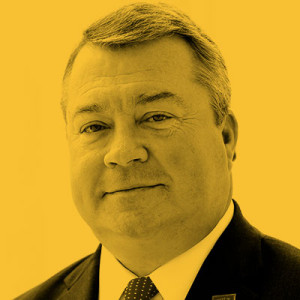
Alabama Secretary of Commerce Greg Canfield
Canfield has been the face of Alabama’s job recruitment efforts since 2011, racking up high profile successes including Airbus, Remington, Polaris and Google. He oversaw the rebranding of the Alabama Development Office, remaking it into the Alabama Department of Commerce, now commonly known as Made in Alabama.
The state’s business community looks to Canfield to take the lead, particularly when it comes to industrial recruitment, and has rallied to his aid to help get major deals done. He has Alabama’s top CEOs on speed dial, which will undoubtedly prove to be an asset for him when he moves on to his next challenge, whether it is in the private sector or another crack at elected office. He previously served in the Alabama House and was chairman of the commerce and small business committee.
His job has gotten a lot more difficult in the wake of Governor Bentley’s numerous scandals, but he hasn’t missed a beat.
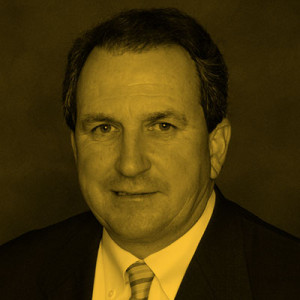
State Rep. Steve Clouse, General Fund Budget Chairman
Clouse is genuinely one of the nicest guys in Montgomery.
As chairman of the House General Fund Budget Committee, he has found himself at the center of many of the most contentious issues on Goat Hill over the last several years. The General Fund is a nightmare to put together, due to its yearly shortfalls, and Clouse has been a central player in battles over Medicaid and prison funding. All tax bills originate in his committee.
Clouse is a long-time ally of House Speaker Mike Hubbard, a relationship that has afforded him the opportunity to become the Wiregrass area’s most powerful legislator.
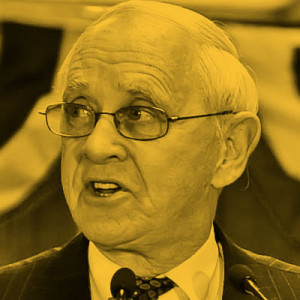
Senator Gerald Dial, Health And Human Services Committee Chairman
No member of the Alabama Legislature knows how to turn the levers of state government more than Dial.
To illustrate that point, consider what Dial did shortly after Republicans took over the legislature in 2010.
While other members were angling for plum committee assignments, like general fund, judiciary or banking, Dial made sure he became chairman of the Legislative Committee on Reapportionment, chairman of the Long Term Transportation Committee and chairman of the Legislative Parking Committee — all committees that gave him leverage among his peers.
As a result, Dial had significant control over what legislators districts looked like, what infrastructure projects they got, and where they parked when they came to work in Montgomery. Brilliant.
He tackles a wide array of issues in the senate, from tablets for school kids to road funding. He also serves on the Troy University Board of Trustees and is a retired Brigadier General in the Alabama National Guard.
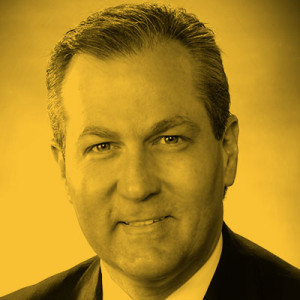
Speaker of the House Mike Hubbard
Hubbard’s ability to survive two full sessions as Speaker with a 23-count felony indictment hanging over his head is a testament to how large of a shadow he casts across the political landscape in the Yellowhammer State. Once viewed as a sure-thing gubernatorial candidate in 2018, the corruption charges — which he contends are politically-motivated — have likely destroyed his statewide aspirations, but do not appear to have significantly diminished his ability to rule the lower chamber.
His most significant political challenge is trying to keep his fractured caucus united. There is a bloc of House Republicans who are disillusioned with what they perceive as a lack of conservative priorities being advanced under the GOP supermajority. Hubbard, one of the most talented leaders the Alabama legislature has ever seen, has pushed through the sporadic rebellions and endured pressure that would have withered most speakers.
It’s pretty simple for Mike Hubbard. If he’s convicted, he’s done. He’ll be remembered as a kind of political supernova, shining brighter than anything else in the galaxy of Alabama politics for a brief period of time before disappearing out of the sky in the wake of a catastrophic explosion. If he’s found innocent, he’ll be the sun around which the whole galaxy turns.
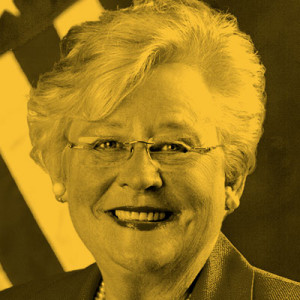
Lt. Governor Kay Ivey
Critics of Ivey’s inclusion on the Power and Influence list in years past have justified their dissent by pointing out the lack of power and responsibility vested in the lieutenant governor’s office. But this year’s Bentley scandals have reminded everyone that Ivey remains a single breath — or impeachment proceeding — away from the big chair.
Ivey presides over the senate and determines to which committee each bill is assigned, but her role in the senate is minimal. That is not her fault, though. Democrats gutted much of the lieutenant governor’s authority in 1999 after Republican Steve Windom was elected and threatened to hold up Democratic Gov. Don Siegelman’s first-year legislative agenda.
Ivey already has a government-in-waiting if things go south for Bentley.
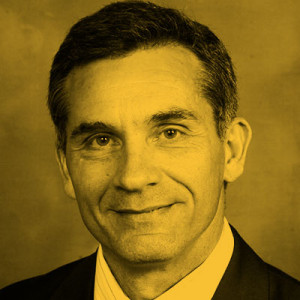
Senate President Pro Tem Del Marsh
Marsh has been a steady hand at the helm of the Alabama Senate for the past six years, proving himself to be an unrivaled manager of the upper chamber’s oversized personalities and egos.
The controversies on both sides of South Union Street have kept significant reforms off the table this session, but Marsh has managed to keep the upper chamber rolling along. It actually says more about Marsh’s leadership that we haven’t heard much about the Senate in 2016. Chaos has reigned on Goat Hill, but it’s been pretty much business as usual on the 7th floor of the State House.
This is very likely Marsh’s final term in the Senate. The only question left is whether he will retire to his private island or jump back into the fray with a gubernatorial run in 2018. If he chooses the latter, he will be one of the favorites because of his unrivaled ability to tap into the deep pockets of the Alabama business community.
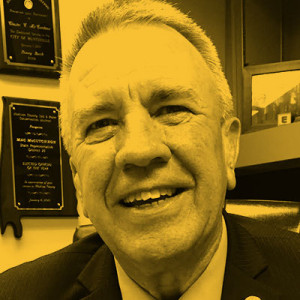
State Rep. Mac McCutcheon, House Rules Chairman
McCutcheon has proven himself to be a loyal lieutenant to Mike Hubbard, standing by his side as others began distancing themselves from the embattled House Speaker. That single decision has been perhaps the most impactful one anyone has made in the House in the last couple of years because McCutcheon is the only legislator with enough stature inside the House GOP Caucus to topple the Hubbard regime from within.
Universally liked and respected by legislators on both sides of the aisle, McCutcheon would be one of the favorites for the speaker’s gavel, if and when the time comes. Until then he is the member most responsible for making sure the legislative process runs as smoothly as possible in the raucous Alabama House.
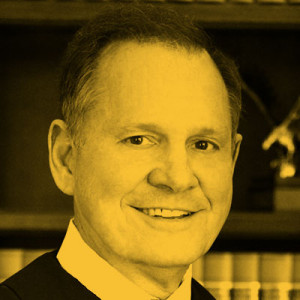
Alabama Supreme Court Chief Justice Roy Moore
Alabama’s controversial chief justice spent much of 2015 in the national spotlight during the same-sex marriage debate. Moore has been relatively quiet since January when he ordered local judges to stop issuing marriage licenses to same-sex couples, in defiance of a federal court, but he still has a couple of complaints against him pending with the Judicial Inquiry Commission. If momentum builds to attempt to remove him from office again, it might actually make him stronger.
He is one of the only individuals on the Power & Influence 50 who can garner national media attention, seemingly at a moment’s notice. That makes him unique among state-level politicians in Alabama, most of whom are relatively unknown to the general public, even if they wield significant power on Goat Hill.
Will Moore mount a third and final gubernatorial bid in 2018 before calling it a career?
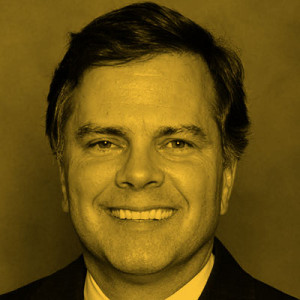
Senator Arthur Orr, Education Budget Chairman
Orr is an enigma who continues to puzzle many people in Montgomery.
He is quick to sponsor legislation that makes conservatives cheer — like his bills to ban food stamp spending on liquor and strip clubs — but has been hard to pin down on tougher policy fights that aren’t as cut-and-dried politically.
He has developed a reputation for being difficult to deal with, but no one denies his ability far exceeds that of most state legislators. Orr has been rumored as a possible statewide or congressional candidate and will be able to tap into a well-developed fundraising base when he decides to make the jump.
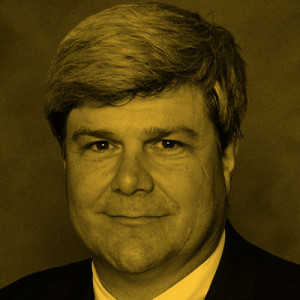
Senator Trip Pittman, General Fund Budget Chairman
The larger-than-life General Fund Budget chairman is likely in the final couple of years of his lengthy tenure in the Alabama Senate, but he continues to play a central role in internal senate power struggles.
Pittman is one of the few senators who sometimes lays down in the middle of the road and basically says, “I’m not letting this bill pass until I get what I want.”
His libertarian streak makes him unpredictable and sometimes leaves him conflicted, especially since the budget he helps craft contains numerous government programs that are at odds with his political ideology.
Pittman has been a long-time proponent of term limits, but he took it a step further this year by introducing a constitutional amendment that would disband the Alabama senate entirely. Needless to say, it didn’t gain much support from his colleagues, but it illustrated just how far he is sometimes willing to go to buck the status quo.
He cannot be intimidated.
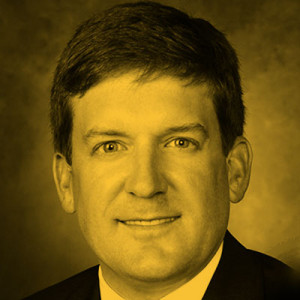
State Rep. Bill Poole, House Education Budget Chairman
When a reporter informally polled 20 legislators after the 2011 session, asking them which first-term lawmaker had the brightest future, 19 of them said Bill Poole. They were quickly proven right when he made the almost unheard of leap of becoming Education Budget Chairman before his first term was over.
The Education Budget is the largest pot of money in state government, which makes Poole a daily target of lobbyists looking to insert a line item into the budget or seeking a bump in funding. He has figured out a way to say “no” and keep the Montgomery Machine at arms length, without alienating his colleagues and powerful groups.
Poole unanimously passed his Education Budget in the House this year, which is a testament to his competence and ability to build bridges between disparate interests. He will be on the short list to become the next Speaker of the House, if and when the time comes, but has remained loyal to Mike Hubbard throughout the tumultuous past two years.
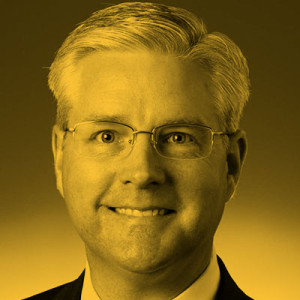
Senator Greg Reed, Senate Majority Leader
Reed is an ambitious lawmaker who aspires to statewide office, but has found himself on the fast track to become senate president pro tem, one of the two most powerful posts in the legislature. With Senator Del Marsh, the current pro tem, signaling this will likely be his last term in the legislature, Reed is likely to opt for the pro tem slot rather than risk a long-shot statewide run in 2018.
His current position as majority leader has given him a platform to cultivate a lot of friendships and loyalty.
Keep an eye on Reed in the years to come. He has natural political gifts and has an air about him that lends itself to leadership roles. He is already building out a formidable team so his likely transition to the top post in the senate will be seamless.
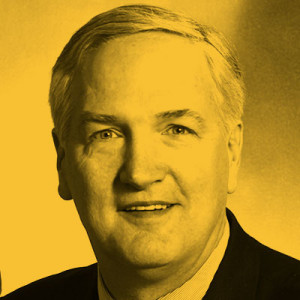
Attorney General Luther Strange
Ever since his time in D.C. as a top-tier federal lobbyist, Strange has had his eye on the U.S. Senate, but with both of Alabama’s seats occupied by popular incumbents, Strange has opted to build his résumé at the state level.
After an unsuccessful bid for lieutenant governor, Strange’s fundraising prowess propelled him into the attorney general’s office. He is already quietly laying the groundwork for a gubernatorial run in 2018.
His tenure as AG has been more controversial in political and business circles than it has been in the general public. But his political future likely hinges on the outcome of a case from which he has recused himself.
Strange’s name is on the office, so whatever happens in the Hubbard case is a reflection on him. But his recusal has left him in the unenviable position of bearing all of the public responsibility for what has been going on in Lee County without having the requisite authority.
Outside of the Hubbard trial, Strange’s office routinely garners headlines for suing the Obama administration and harassing the EPA — not a bad gig for someone aiming at higher office in Alabama.
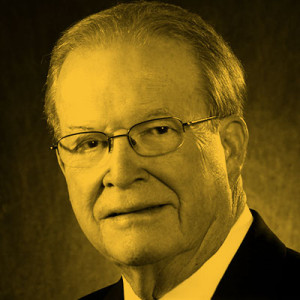
Senator Jabo Waggoner, Senate Rules Chairman
Waggoner is the longest serving Republican in the Alabama Senate and has been a major player in state politics since the mid-1960s.
Ironically, the best thing that ever happened to his political career was that he narrowly lost a bid for U.S. Congress in 1984. Being one of 435 House members in Washington, D.C., would have likely given him far fewer opportunities to put his stamp on his home state than being one of the most powerful state legislators decade after decade. At this point Waggoner holds near total sway over what bills make it to the floor of the senate for a vote, thanks to his position as Chairman of the Senate Rules Committee.
All signs point to Waggoner running for a twelfth term in the Alabama legislature in 2018. For long-time legislators, staffers and governmental affairs pros at the State House, the day Waggoner walks out of his corner office on the 7th floor for the final time will mark the end of an era and one of the truly remarkable runs in Alabama political history.

MONTGOMERY, Ala. — The Alabama Senate on Tuesday unanimously passed major reforms to the state’s Medicaid program that are estimated to save the state $1.5 billion over the next 10 years.
The savings, calculated by a national actuarial consulting company, assume a 3 percent growth every year in the program, and will come from new Integrated Care Networks (ICNs) contracting with Medicaid to provide long-term care under a capitated system.
Capitation means the providers will be given a set dollar amount to treat each patient in their care.
The bill would also allow the nursing home-care to home-based care ratio to increase from 75/25 to 50/50. The ICNs must be in place by October 1st, 2018.
“Our state has an obligation to provide crucial long-term care services for the elderly eligible for Medicaid coverage, while at the same time finding ways to protect taxpayers from cost increases,” said the bill’s sponsor Senator Greg Reed. “My bill will help us better care for patients and cut spending.”
This is Senator Reed’s second major Medicaid reform in the last several years. In 2012 a bill he sponsored to establish Regional Care Organizations across the state operating under a similar premise to the ICNs.
Savings in long-term care services such as nursing homes and in-home assistance will become particularly important as baby boomers begin to retire and require more healthcare—the number of people aged 75 and older is expected to double by 2028.
“This is projected to add 9,000 more seniors to the Medicaid long-term care roles,” said Senator Gerald Dial, who chairs the Senate Health & Human Services committee. “I am proud to support Senator Reed’s bill to save more than a billion dollars and allow for more home-based care.”
While these savings won’t be realized immediately and don’t solve the current budget crisis, they could go a long way toward making the federally-mandated program more sustainable in the long term.
The bill will now be considered by the House where it is being sponsored by Rep. April Weaver. It is not expected to meet significant resistance.
Like this article? Hate it? Follow me and let me know how you feel on Twitter!
— Elizabeth BeShears (@LizEBeesh) January 21, 2015