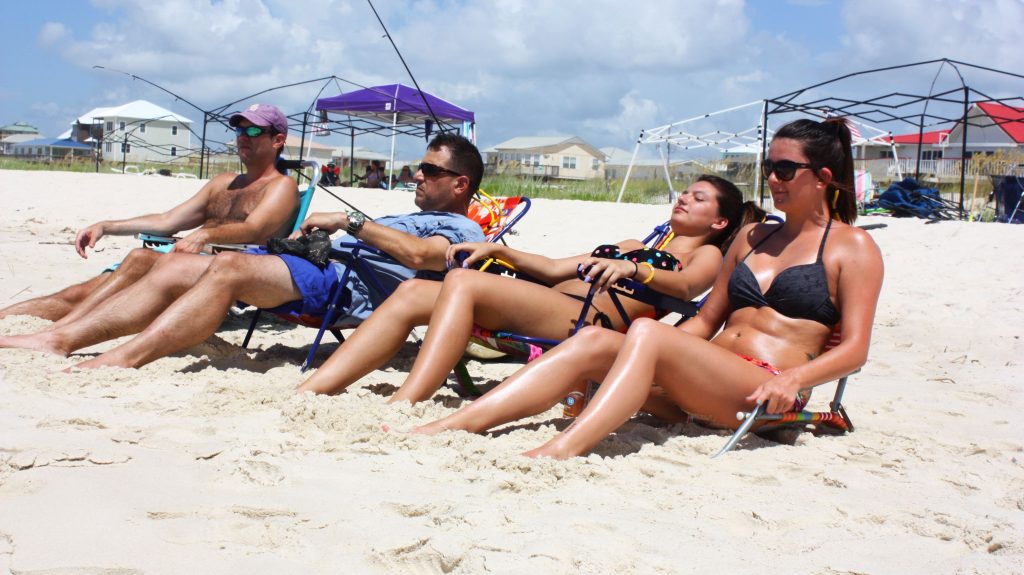
According to a study by an economist at Auburn University Montgomery, the state of Alabama saw a more than five percent increase in revenue from tourism last year. The study was conducted on behalf of the state tourism agency, and it finds that tourists spent north of $13.4 billion in the state last year.
These numbers include spending on hotels, shopping, transportation, and restaurants. It is a 5.4 percent jump from 2015.
Related: Stain of BP oil spill long gone from Alabama’s Gulf Coast as tourism booms
To no surprise, Baldwin County leads in the most spent on travel at $4.2 billion, according to the research. Following Baldwin are the counties of Jefferson, Madison, Mobile and Montgomery. Alabama Tourism Department director Lee Sentell says the amount spent by travelers in Alabama has doubled over the last 14 years.
Perhaps the most encouraging aspect of the study was the finding that the money spent by tourists was responsible for creating around 180,000 jobs.
GULF SHORES, Ala. — The City of Gulf Shores and Auburn University announced a partnership yesterday that will bring a new satellite campus to the south Alabama beach town. Auburn’s $12 million expansion will include a new college facility featuring the College of Veterinary Medicine, studies on marine fisheries, and studies on organic horticulture.
Gulf Shores will construct the 24,000 square foot property and lease it out to the University. The satellite campus will sit on 26 acres directly northeast of the city’s business district.
“From the education component of our world, it means a lot,” Gulf Shores Mayor Robert Craft said on Monday. “To have a brand name partner like Auburn to initiate our campus plan as discussed is a significant step forward. It should make the rest of this easier, I would hope.”
The city will pay for the project using funding from revenue bonds to be repaid by Auburn through the lease agreement, and no “cash incentives” were included in the agreement approved by the city council.
University officials noted the desire to establish a coastal presence, and that they viewed an expanding Gulf Shores as an opportunity to do so.
“We looked at what is not just the potential today, but what will be the growth potential for the next five to 10 years,” Auburn Provost Tim Boosinger told Al.com. “The experts tell us this is the fastest growing area in the state and will continue to be. We want to have an opportunity to better serve people in the southern half of the state, especially along the coast. We don’t have that presence.”
Since the year 2000, Baldwin County is second only to Shelby County in overall population growth within the state of Alabama. According to U.S. Census data, from 2000 to 2010, Gulf Shores alone experience a population increase of over 93 percent.
Project construction for the satellite campus will begin in the spring or summer of 2017 and is expected to be finished 18 months from the start date.
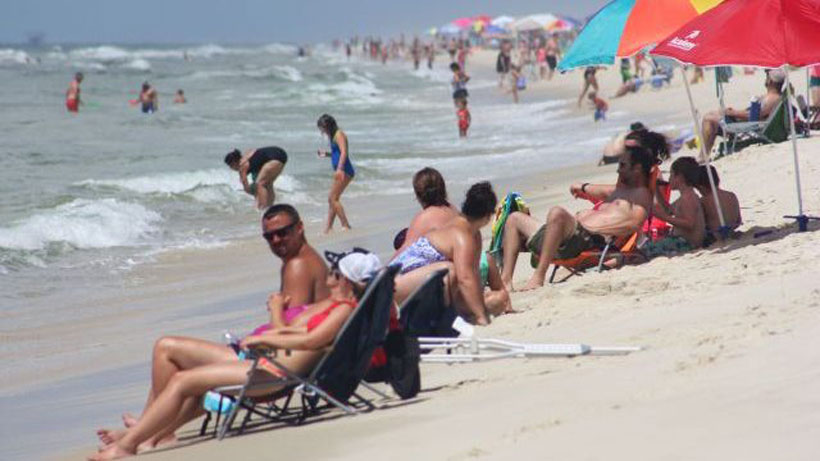
There have been few darker moments on the Alabama Gulf Coast than when the Deepwater 2010 Horizon oil spill stained the brilliant white sand beaches and clouded the blue water.
Hurricane Frederic (1979) and Hurricane Ivan (2004) had taught coastal residents what it would take to rebuild from the most devastating storms. But they had never experienced an oil spill.
Even once the flow of oil spewing into the Gulf was halted and the visible effects were gone, another question lingered. How long would it take consumers to get that image out of their heads?
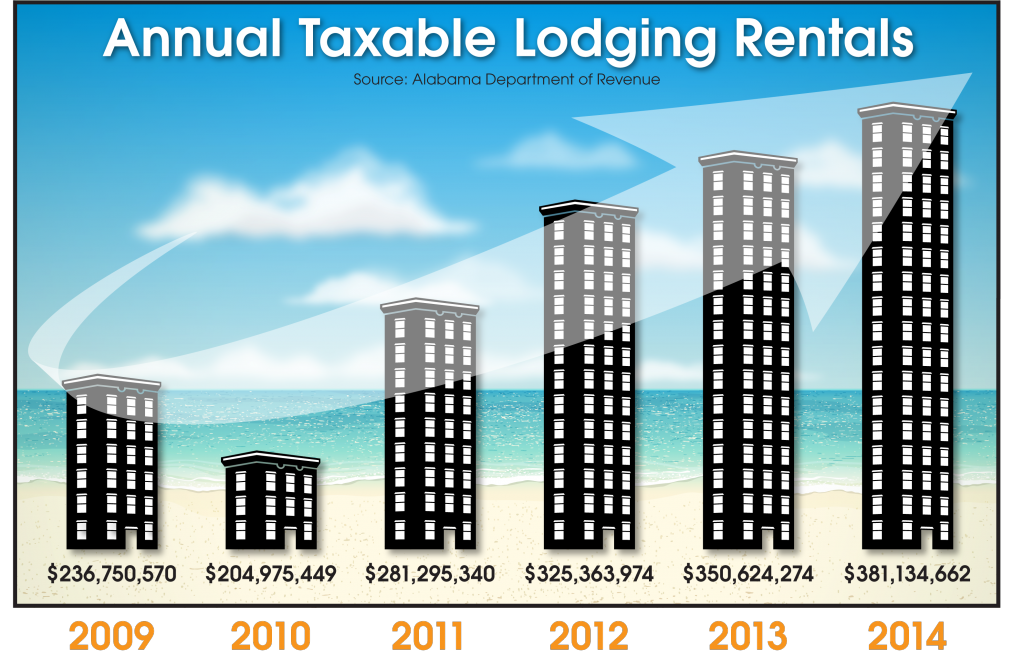
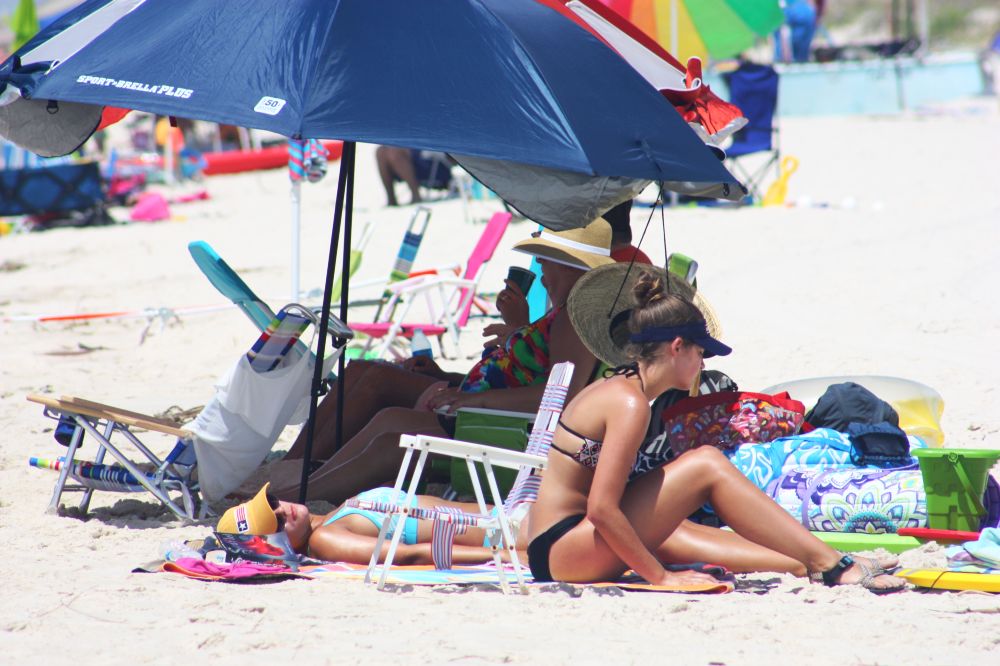
The answer has turned out to be a pleasant surprise, as a full-scale rebound began in 2011. Taxable lodging rentals, the bellwether statistic for tourism, indicate record-setting years for Baldwin County beaches have followed the disastrous 2010 season.
“Thank goodness we have a very loyal customer base,” Malone said. “We had a record year in 2011 and we’ve had record years back to back ever since.”
The recovery was a bit slower for Dauphin Island in Mobile County. But tourism there, too, has rebounded to surpass pre-spill levels.
“It was in 2014 that things really started going,” said Dauphin Island Mayor Jeff Collier. “2015 was better and 2016 is looking better than that.”
The commercial seafood industry has not reached its pre-spill high point. But other factors may be in play.
“It’s been a tussle for the last six years,” said Avery Bates, president of the Organized Seafood Association of Alabama.
Bates said the spill hit bottom-dwelling species, oysters, blue crabs and flounder, particularly hard. And many of the people who lost their livelihood due to the spill have yet to be compensated for it, he said.
But Bob Shipp, professor emeritus in the University of South Alabama Department of Marine Sciences, said there is no scientific evidence of any lingering effects from the spill.
When the Deepwater Horizon oil rig exploded on April 20, 2010, the Gulf Coast was coming out of two years of recession in pretty good shape. Rental bookings for the 2010 tourist season looked to be on an upward trend. But the spill caught tourist-dependent businesses at their most vulnerable moment.
“One of the worst things about the event for us was that it hit right at the beginning of the high season,” Malone said. “Not only did it knock the top off of the high season, it caught our businesses at the low point of their cash flow.”
While the Gulf Coast Community had experience with tropical storms, which basically shut down businesses during the storm and cleanup, they usually come at the end of the tourist season in August, September and October. By then, businesses have had time to build their cash reserves, the bulk of which for the entire year come during the spring and summer tourist season. The spill cut off the flow of money at the worst time.
Lodging and other tourist dollars aren’t like hard inventory that can be sold later. They are more like perishables that must be thrown out once their time has passed.
As the oil spill dominated daily headlines, lodging cancellations started rolling in. Collier estimates that 95 percent of the island’s vacation bookings were cancelled immediately following the spill. While the beaches weren’t actually closed, they might as well have been.
“Everything we had to offer as an island town was turned off,” Collier said. “Most of what people come to a beach community for is the beach and the water.”
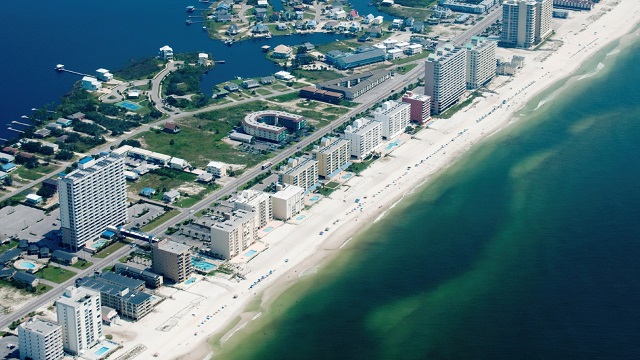
The oil flow eventually stopped and the beaches were cleaned but the damage had been done to the local economy. In Gulf Shores and Orange Beach, taxable rentals for the summer dropped 25 percent from $133 million in 2009 to $100 million in 2010. But that wasn’t as bad as Malone had feared.
For the year, Gulf Shores and Orange Beach dropped 13.4 percent from $236.7 million in 2009 to $204.9 million in taxable lodging rentals in 2010.
“We thought it might be down as much as 70 or 80 percent,” he said.
In Dauphin Island, the town’s lodging tax dipped from almost $338,000 in 2009 to about $248,000 in 2010. Losses were somewhat blunted by rentals by cleanup crews.
Commercial fishing was shut down for the duration of the oil spill. Commercial landings of all seafood dropped from 13,000 metric tons in 2009 to 6,300 metric tons in 2010.
“It hit us and threw us for a loop,” Bates said. “When you lose your customers, you lose your business.”
Bates said the Portersville Bay area once supported about 300 oystermen but the area hasn’t produced since the spill.
“It hit crabs tremendously,” Bates said. “They’re just coming back this year. The reproductive organs of some of these species were affected.”
In 2011, commercial seafood landings rose to 11,800 metric tons and have been fairly constant since then. Commercial landings totaled 11,900 metric tons in 2012, 10,600 in 2013 and 11,600 in 2014.
But Kevin Anson, biologist for the Department of Conservation’s Marine Resources Division, said landings are influenced by a number of factors such as the market price. Flounder, crab and oyster landings are off but they were in decline before the oil spill.
The state had shut down the oyster harvest in 2009, Anson said. Alabama oyster reefs had sustained considerable damage in Hurricane Ivan and Hurricane Katrina (2005) followed by drought years during which an oyster predator called a drill snail prospered.
While Anson says the oil spill certainly wouldn’t have been positive for crabs, oysters and flounders, there is no way to pin their decline strictly on it. There are too many factors.
The Alabama blue crab harvest had dropped from 2,100 metric tons in 2000 to 661 metric tons in 2009. That dropped to 420 metric tons the year of the spill but rebounded to 733 metric tons in 2011. It declined since then to a low of just 464 metric tons in 2013.
The oyster harvest in Alabama reached a high of 472 metric tons in 2005 but had fallen off to 32.4 metric tons in 2008 and 10 metric tons in 2009. The harvest rose to 30 metric tons the year of the spill. It rose as high as 134 metric tons in 2011 but has declined since and was 26 metric tons in 2014.
Blue crabs and oysters suffer from loss of habitat, adverse weather and human impact, Anson said. Shipp has devoted his life to studying the Gulf’s sea life. He continues in research and says he sees little effect from the spill.
“The bottom line is that the oil spill’s impact is almost nonexistent,” Shipp said. “Things are back to normal.”
Tourism has fared better in the years since the spill. During the fall of 2010, taxable lodging rentals were down 3.5 percent from the previous year and ended up 13.7 percent less than the previous year
But in 2011, rentals soared to $281 million, 37 percent over the previous year and about a 20 percent increase over 2009. Malone tempered his enthusiasm and counseled others to do the same. The increase might have been due to pent-up demand and people who wanted to do their part to help the Gulf Coast.

“We were concerned that it was just a big rebound and, as we approached 2012, we were a little bit apprehensive,” Malone said. “We figured if we could just get back to what we had in 2011, that would be great. We ended up with about a 16 percent gain over that.”
Taxable lodging rentals rose to $325 million in 2012, a 15.7 percent gain over the previous year. Record-setting years have followed every year, reaching almost $433 million in 2015. This year is on pace for a 12 percent increase over 2015, Malone said.
“Once we get recovered and people start coming back, they seem to come back in numbers that are larger than ever,” Malone said. “We experienced that with Ivan and before that.”
Dauphin Island saw a more modest recovery at first. Its lodging tax revenues jumped to $445,000 the year following the spill, then fell back slightly two years in a row. But in 2014, lodging taxes rose to $506,000 and have been climbing ever since. In 2015, tax income reached $675,000.
Malone and Collier credit marketing campaigns funded by post-spill grants with helping to bring tourists back in record numbers. Malone said the Gulf Shores/Orange Beach campaign was to “come see for yourself” and focused on being honest with consumers. “When our beaches were slathered with oil, we showed them slathered with oil,” Malone said. “I think they appreciated that honesty.”
The Dauphin Island business community is mostly small mom and pop businesses. Collier said “two or three” failed as a result of the spill but most “hung in there.” If there’s any residual effect, it’s a nagging concern that some unknown impact may be lurking in the Gulf like a malevolent sea creature.
“With the economy, you can run the numbers,” Collier said. “You know what’s happening. With the environment, you don’t.”
In the end, officials learned from the oil spill experience and know better now how to react to such a disaster, Collier said
Malone believes that while the publicity from the spill was negative, it may have raised awareness of the Alabama Gulf Coast. Some people never knew Alabama had beaches before the spill.
He also learned something about people who come to spend their money every summer.
“All of us who live here have a very strong affinity for the Gulf and the beach,” Malone said. “I didn’t realize that our guests have that same affinity.”