We the people are witnessing Corporate America continue to slip further to the left via ESG investments and DEI quotas. These edicts reign from above hindering meritocracy in the workplace useless, politicizing the free market, and isolating conservative consumers.
ESG and DEI, terms we are all too familiar with, represent Environmental and Social Governance and Diversity, Equity, and Inclusion. ESG investments are wielded by trillion-dollar hedge-funds like BlackRock and Vanguard who buy large chunks companies and leverage their holdings to fulfill a far-left wish list.
This wish list manifests into the marketing debacle’s we saw at Bud Light, Ben & Jerry’s, Target, and the Los Angeles Dodgers sponsoring the Sisters of Perpetual Indulgence.
Instead of adding to the long-list of companies to boycott, what if there was a long-list of companies to buy from? Welcome PublicSq. to the marketplace, the largest directory of anti-woke businesses in America.
The app, available on the Apple App Store and Google Play, has over 1.1 million consumer members active on its platform and more than 55,000 businesses.
Backed by heavyweights such as Donald Trump Jr. and Omeed Malik, PublicSq. touts itself as a patriotic online marketplace that seeks to rival Amazon as the conservative alternative.
Michael Seifert, CEO and founder of PublicSq, proudly asserts that the platform is pro-life, pro-family, and pro-freedom.
Just recently, Tucker Carlson’s show on Twitter made a seven-figure ad deal with the anti-ESG shopping app. Accounts are free to use and allows businesses with patriotic values to list their services on the app.
Businesses looking to join the marketplace download the app, sign up in a process that takes around four minutes, and build their profile. While building a profile, users must agree to respect PublicSq’s core values and is vetted to ensure that the seller does not take public positions against the platform’s core values. The vetting process is completed within 24 hours.
Seifert is no stranger to the Yellowhammer State. A former University of Alabama student, he is married to an Alabama alum, Sarah Gabel Seifert, daughter of Lew Burdette.
Seifert assisted Burdette on his gubernatorial bid acting as a non-paid consultant with connections to Trump’s Mar-a-Lago in West Palm Beach, Fla.
Burdette said he was proud to be on the floor of the New York Stock Exchange in July as his son-in-law rang the bell, taking the company ($PSQH) public.
“Being on the floor of the New York Stock Exchange … to watch my daughter and her husband take their company public was the thrill of a lifetime,” he said. “When Michael rang the bell, hundreds of people on the Stock Exchange floor began chanting, ‘USA.’ This was definitely a moment I will always cherish for Sarah Gabel and Michael, and the company they are working so hard to build for freedom-loving Americans.”
Fox Business said Seifert founded the company in January 2021 after compiling a list of
businesses in his California area that aligned with his and his wife’s values.
“Clearly, there’s this very large, unaddressed market in the United States that feels like, in the era of sort of woke or progressive corporatism, they’re not being talked to. In fact, in many cases, they’re being actively ignored or antagonized,” Seifert told Fox Business. “We want to be a company that’s by the people, for the people, and owned by ‘we the people,’ and that only happens if the people will rally around it and build it with us.”
Grant Burdette is a contributing writer to Yellowhammer News.
Former UAB Blazers head coach Bill Clark has been sharing his thoughts weekly into what he saw on the college football slate, teams in the Yellowhammer State, and much more.
Of course, a big story this week has been the Alabama quarterback situation. Clark weighed in saying Jalen Milroe was “the better guy” after the South Florida game.
“I think watching the game against USF, certainly from an athletic standpoint, Milroe was . And maybe that had to be proved in a game situation,” Clark said. “Now, moving forward, do they do the things that fit him? He’s a zone read guy, that’s who that guy is, every kind of way to run him. And I think you will see a lot more of that moving forward.
“But I think who the most talented is was proven against South Florida.”
Clark said Tyler Buchner’s familiarity with Offensive Coordinator Tommy Rees weighed into the decision to start him last weekend.
“It would be strange if that wasn’t a factor,” Clark said. “He believed in him for whatever reason and he’s calling the plays. For me, I always gravitated toward the defensive side, and Coach (Nick) Saban coaches the corners.
“So the way (Saban) runs things, he needs an OC to run that show, so of course that guy’s opinion matters. But the OC is gonna have a huge say especially with (Saban) being a defensive head coach.”
On the Ole Miss matchup, Clark talked about Defensive Coordinator Pete Golding’s return:
“When you’ve got a guy that coached for you that you are playing against, it just becomes more important when you want to prove something to the people you worked with,” Clark said. “And now they have two of them there (Lane Kiffin and Golding) at Ole Miss. Not that you wouldn’t before, but you’re gonna get the best they have to give.
“It’s a great storyline.”
On Auburn heading on the road against Texas A&M, Clark said College Station is a tough environment and the Tigers are facing a difficult stretch of games.
“All you can ask for is to be undefeated going into this tough stretch,” he said. “Having played in College Station, it’s a tough environment. After that (Cal) game, Auburn has to be feeling good, but they improved against Samford and it’s one game at a time for the Tigers.”
The Congressional Gold Medal, which is the highest honor bestowed by Congress, honors those whose dedication, heroism, and public service have created a lasting impact on American history. On March 14, 2020, legislation was signed into law authorizing the Congressional Gold Medal for American Merchant Mariners whose honorable deeds played a critical role in World War II.
The Merchant Mariners of WWII Congressional Gold Medal Act of 2020 authorizes the Maritime Administration (MARAD) to award duplicates of the medal to individuals who, between Dec. 7, 1941 and Dec. 31, 1946, were members of the U.S. Merchant Marines.

My great grandfather, Martin Bowman (1897-1945), an Army veteran of World War I, attempted to enlist in the Navy alongside his 3 sons, Robert (20 years old), Marty (18), and Jack (17), in September 1942. Due to a heart murmur and his age, 45, examining physicians at the naval hospital rejected his application. Martin insisted he would appeal directly to President Roosevelt and after several attempts at enlistment was ultimately granted civilian service with the Merchant Marines.
The Merchant Marines is comprised of civilian mariners serving aboard both private and federally owned merchant vessels. During World War II, nearly 250,000 civilian merchant mariners served as part of the U.S. military and delivered supplies and armed forces personnel by ship to foreign countries engulfed in the war. Between 1939 and 1945, 9,521 merchant mariners lost their lives — a higher proportion than those killed in any military branch, according to the National World War II Museum.

On Jan. 4, 1945, Martin Bowman was serving as Deck Engineer aboard the S.S. Lewis Dyche, tasked with reinforcing the Allies advance with ammunition during the Battle of Mindoro, when it was struck by a Japanese kamikaze plane in Mangarin Bay, the Philippines. Reports state that the explosion incinerated the ship and killed all 71 crew members.
Considered Missing in Action (MIA), his military records were incomplete and the short, damaged portions available on hand are those that partially survived the 1973 fire of the National Archives. Since the 2020 passage of the Merchant Mariners of WWII Congressional Gold Medal Act, our family – which has continued Martin’s legacy of service with active duty in the U.S. Navy and Army, Intelligence Community, and the veteran support nonprofit, Operation Stand Down Tennessee – has struggled through the bureaucratic network and paperwork to obtain the medal in Martin’s honor.
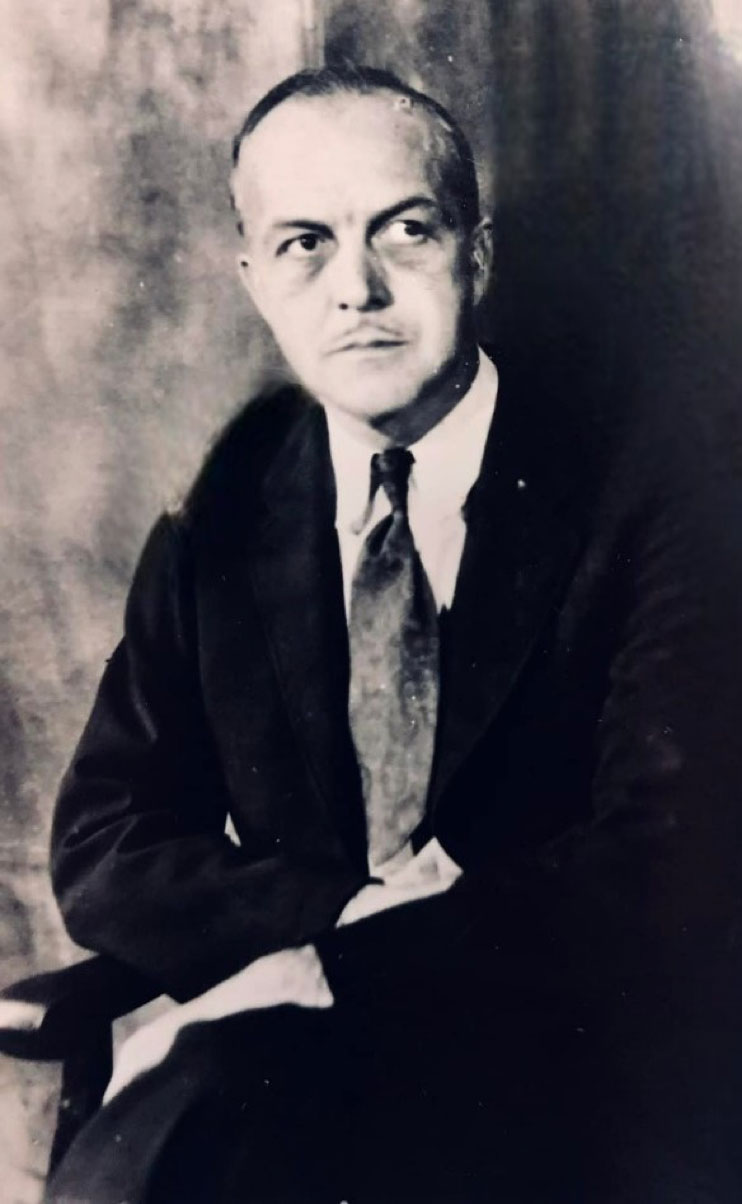
Now residents of Auburn, our family was previously stationed at the now recognized Army Aviation headquarters of Fort Novosel, appealed to U.S. Sen. Katie Britt.
Britt, office staff, and in-state constituent staff enthusiastically took up the challenge of navigating through the many records requests and bureaucratic requirements in the spring months of 2023. With her help, we received all eligible service decorations for Martin Bowman, including his issued Congressional Gold Medal on Sept. 15 – National MIA/POW Recognition Day.
“Like so many courageous Americans, Martin Bowman went above and beyond the call of duty, serving our country in both World War I and World War II. He gave everything to help ensure that the forces of evil were defeated and liberty was preserved for generations to come. Our nation owes him an eternal debt of gratitude that can never be repaid. Helping his family obtain the long-overdue, well-deserved decorations for his incredible valor was a true honor. There is nothing more important than standing up for our veterans, and I am proud that we could play a small part in paying proper tribute to this true American hero,” said Britt.
Whales have been dying off the East Coast of the United States near where offshore wind turbines are being or about to be built. The North Atlantic Right Whale faces extinction, with only perhaps 340 left in the wild. Should endangered species take precedence over energy production?
NOAA’s National Marine Fisheries Service denies a link between whale deaths and wind turbines. A recent investigation by the independent news organization Public, however, identifies correlation between whale deaths and boat traffic and sonar activity associated with construction.
Whale deaths have increased sharply since 2017, about when turbine construction began. This constitutes correlation, but correlation does not prove causality. Sonar and construction may be pushing whales into high traffic boat lanes, producing more collisions with boats. NOAA acknowledges trauma from boats in many whale deaths.
Marine biology is not economics, so I will not take a definitive position on the causation question. For full disclosure, I have previously received funding from NOAA for my research so I may have a bias here. I believe that additional research is warranted.
I instead wish to consider whether whales should trump energy development. We might think that 1973’s Endangered Species Act (ESA) settled this question and should protect the Right Whales. The ESA seemingly unambiguously prohibits the taking of endangered and threatened species. But this protection is not ironclad. The federal government must declare critical habitat for a species and decide whether actions disturb habitat. Consequently, species protection depends on bureaucrats.
Construction projects sometimes proceed with modifications. The NMFS has set sound limits for sonar which Public’s reporting contends are being violated.
Damage to the environment or harm to species is almost always a by-product of productive activity (including hunting as food production). We live in a world of scarcity, meaning that we want more goods and services than can be produced. Market prices for scarce resources make it costly to burn a rain forest or kill whales just for fun.
Habitat loss is the major threat for many endangered species. People use land for agriculture, logging, or to build beach resorts, depriving species of breeding or hunting grounds. These impacts are unintended and sometimes initially unrecognized.
Let’s focus now on offshore wind and Right Whales. I hold human flourishing as my standard of value. Consequently, I believe the ESA is misguided. Humans may impact nature to survive and thrive; if this happens to drive species to extinction, that is acceptable.
We can and do choose to impose on ourselves to improve the lives of animals, but these choices should entirely reflect our preferences. There may be little consistency in our choices of plants and animals to protect. The bald eagle somehow became a national symbol and Americans chose to protect this species. What we label animal rights are ultimately human sensibilities.
I would not put whales ahead of energy. But human survival and thriving does not require offshore wind; climate change does not pose an existential threat. If you doubt this, read the IPCC reports summarizing the academic literature. Humanity could adapt to an additional two degrees Celsius warming. Humans at the subsistence level survived much greater climate changes during and after the last glacial period.
Given that fossil fuels do not threaten extinction, I agree with Alex Epstein that we should ensure human flourishing in the manner least disruptive to the environment.
Wind and solar have enormous environmental footprints. Both require enormous land areas, kill thousands of birds and bats annually, use gigantic quantities of rater earth metals, and result in huge quantities of toxic waste.
The key to meeting the energy needs for human flourishing with minimal environmental disruption is energy density, as Mr. Epstein argues. Wind and solar are very low density compared to fossil fuels, with nuclear power even better. The energy transition is largely a plan to enrich opportunistic profiteers driven by fear of a climate apocalypse. We should not kill whales merely to enrich politically connected “clean” energy companies when lower cost and lower impact energy sources can support human flourishing.
Daniel Sutter is the Charles G. Koch Professor of Economics with the Manuel H. Johnson Center for Political Economy at Troy University and host of Econversations on TrojanVision. The opinions expressed in this column are the author’s and do not necessarily reflect the views of Troy University.
Last year, House Republicans made a commitment to you: Elect a Republican majority, and we will immediately get to work putting America on a better path after two years of failed one-party rule by House Democrats.
Since House Republicans have been in the majority for 8 months, we have already delivered on dozens of these promises. Right away, we reopened the People’s House so you can visit your elected officials and be part of the process. We also ended proxy voting, mandated that a bill has to be introduced at least 72 hours before being voted on so we actually have time to read what’s in the bill.
We also eliminated the military vaccine mandate, terminated the COVID national emergency, established the Bipartisan China Select Committee, created a select Committee to Stop the Weaponization of Government, and created a Select Committee to Expose the Truth of COVID’s origins.
This was all just in the first couple days. We also quickly got to work on H.R.1 – the Lower
Energy Costs Act, which would unleash America’s energy independence and lower fuel prices.
I’m proud to be one of just a few congressmen who worked on the text of this bill, and I was thrilled to see it pass the House floor. Next, we passed H.R.2 – the Secure the Border Act, which would address the crisis at our southern border by finishing the wall, hiring more Border Patrol agents, and much more.
We’re also working around the clock to hold the Biden administration accountable, whether it’s conducting oversight regarding the money we have sent to Ukraine or Hunter Biden’s shady business dealings. The American people deserve transparent and honest leaders, and we must hold them accountable when they fall short.
These are just a few highlights of what we have done in Washington. I also have the privilege of sitting on the Appropriations Committee, where I can ensure your tax dollars return to our communities instead of sitting back and letting them go to states like New York or California.
I’ve worked hard to bring your tax dollars back home for good projects like road widening,
resurfacing, and safety improvements, as well as for much-needed repairs and upgrades to
some of our rural hospitals.
Rest assured, my House Republican colleagues and I are fully committed to delivering real
results for you here in Washington, and I’ll never stop fighting to better our communities in
Alabama.
Jerry Carl represents Alabama’s First Congressional District. He lives in Mobile with his wife Tina.
In my July 19 column. my prediction was that Democratic President Joe Biden would keep the heralded space command headquarters in Colorado, rather than allow it to be moved to
Alabama. Biden made the Colorado decision 10 days later.
Why? It is very simple. Biden is a Democrat running for reelection for president as a Democrat. Colorado is a blue Democratic state. Alabama is a ruby red Republican state. Of course, the decision to keep the facility in Colorado was political.
The only reason that the federal military officials even considered moving the Space Command from Colorado to Huntsville, Ala., over two years ago was because of our omnipotent senior senator, Richard Shelby. When Shelby spoke generals and presidents listened. Sen. Richard Shelby was chairman of the Senate Appropriations Committee. He wrote the federal budget. There is an old adage that those who control the gold make the rules. In this regard, Shelby was more powerful than the president, whether it be Trump or Biden.
Shelby told the generals that he wanted the Space Facility in Huntsville, therefore, they made the announcement that it would be moving to Alabama.
The bottom line is the only reason there was any consideration toward moving the facility from Colorado to Alabama was Richard Shelby, and the only reason that it will not be moving is because Shelby is gone. I knew at the time of announcement that the Space Command headquarters might move to Alabama, that if Shelby did not get it actually moved before he retired that it would probably never happen.
Folks, you are just beginning to see the impact Sen. Shelby’s retirement means to the state of Alabama.
Our two freshman senators, Tommy Tuberville and Katie Britt, fought valiantly and commendably for Huntsville, but they are essentially irrelevant in the process. It is all about seniority in Washington. Tuberville’s two and a half years in the Senate places him 93 out of 100 in seniority. Young Katie Britt has the makings of being one of our greatest U.S. Senators, along with giants Richard Shelby, Lister Hill and John Sparkman. However, currently, Katie’s eight months in the Senate place her 99 out of 100 in seniority.
Furthermore, Tuberville and Britt are in the minority party in the Senate. Democrats have a majority in the Senate along with a Democratic president.
Some liberals have implied that Tommy Tuberville was the reason for the decision because of his feud with the Biden Administration over the abortion policy in the military. That is not the reason. They are actually flattering Tuberville. With his lack of seniority he is not that relevant in the decision-making process. However, his being a rabid right wing Trump Republican surrogate certainly did not help the matter.
Huntsville should not feel so badly about the Biden Administration leaving Space Command in Colorado. It was crumbs compared to what Shelby loaded Huntsville up with in the last decade, anyway. This Space Command deal is more for prestige than it is for jobs and dollars.
Shelby brought most of the high tech and aerospace dollars in the country to Huntsville which is what matters. Much more importantly, he moved most of Washington to Huntsville, including the FBI Headquarters.
Folks, that is real power. It is unlikely that Alabama or any other state in the nation will ever see the power wielded by Richard Shelby in the nation’s history.
Yes, Colorado got to keep the Space Command name because of politics. However, lest people forget, Huntsville has grown into one of the premier high-tech defense places in America because of politics.
In the post-Depression era of the 1930s, Huntsville was a sleepy cotton town of 20,000. Our two U.S. senators during the 1940s through 1960s were icons, Lister Hill and John Sparkman. They were giants of the Senate, who were New Deal, FDR allies, with seniority, prowess and class.
John Sparkman brought Redstone Arsenal and Wernher von Braun to Huntsville and the rest is history.
Over the years, I have told Huntsville’s brilliant mayor, Tommy Battle, who has been an integral part of Huntsville’s explosive growth, they should name their city Sparkmanville. Given Shelby’s powerful sustaining of what Sen. Sparkman began 70 years ago, maybe
Sparkman/Shelbyville should be the Rocket City’s new name.
It’s all about politics, folks.
See you next week.
Steve Flowers’ weekly column appears in more than 60 Alabama newspapers. He served 16 years in the state Legislature. Steve may be reached at www.steveflowers.us.
It was great to spend August recess back home visiting with the folks who sent me to Congress to fight for their conservative values. Before my work in Washington takes off, I want to give you an August recap and highlight the first seven months of my congressional term.
As a member of the House Armed Services and Homeland Security Committees, it is my responsibility to sell North Alabama as the premiere defense hub of the United States. This is why I made it a point to visit Redstone Arsenal leadership and small businesses that support a variety of Department of Defense programs critical to national security.
The Biden Administration’s weakness in defending the U.S. against foreign adversaries, be it the Mexican cartel or Communist China, has jeopardized our national security.
The Tennessee Valley stands ready to confront and eliminate the threats facing our homeland. From anti-unmanned drone systems, missile defense, to cybersecurity, there is no region better positioned to protect national security than ours – I am working every day to ensure this is a known fact in the halls of Congress.

Another priority of mine is to support economic development efforts throughout the region. I am proud to say that North Alabama is the engine that fuels the state’s economic growth.
According to the Alabama Department of Labor, the Fifth Congressional District’s unemployment rate sits at 2.06%. In fact, three of the state’s top five counties with the lowest unemployment rates are in our district.
While meeting with industry from every corner of the district, it remains clear that we must ramp up workforce development efforts. Employers, large and small, are in search of skilled labor to fill high-paying, in-demand jobs. North Alabama’s economy is full of potential.
To keep this train rolling, we must equip our students with the skills these jobs require. I also visited universities, community colleges, and technical schools.
Our institutions are rising to the occasion. In Congress, I am proud to partner alongside local educational leaders and support their efforts to strengthen our regional workforce.
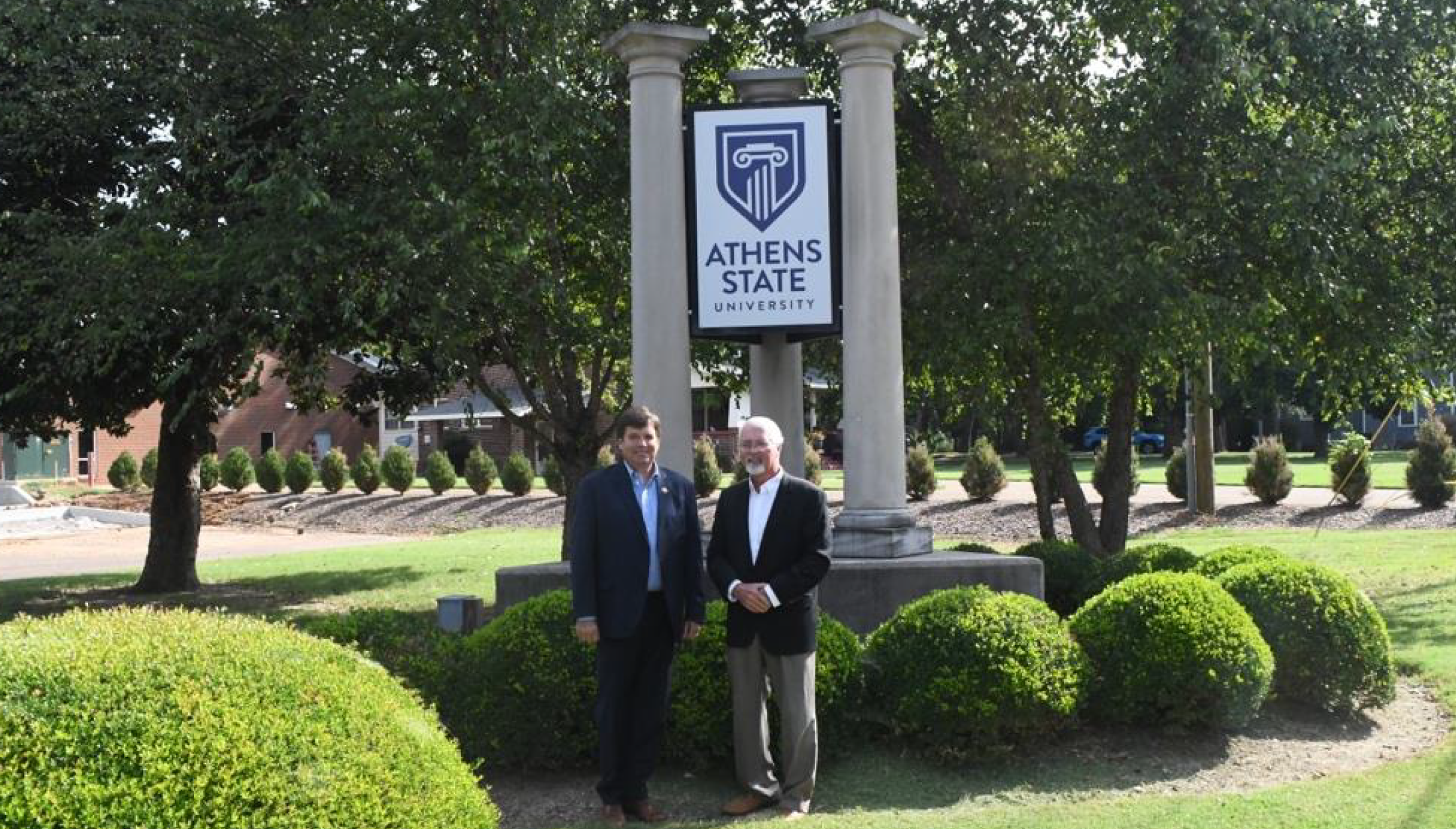
North Alabama’s economic success is a testament to our communities taking a regional approach and working as one team. During the August recess, I met with local leaders from all five counties to discuss how I can help solve issues that matter to constituents in their communities.
More and more people are finding that the Tennessee Valley is the best place to live in the United States. With our region’s population on the rise, it is critical that infrastructure keeps pace to support unprecedented growth.
Whether it be improving major roadways, increasing power capacity, or expanding broadband and water, sewer, and gas infrastructure, I vow to support local projects in every community throughout our district.
Despite what Washington liberals believe, we pay our fair share of federal taxes. This is not the federal government’s money, and it sure doesn’t belong to New York or California. It belongs to you. I am not ashamed to say that I will fight to return our hard-earned tax dollars back home where it will be best put to use.
North Alabamians deserve safe communities. Last month, I met with numerous volunteer fire departments, law enforcement agencies, and 9-1-1 personnel. It was uplifting to see the commitment these servant leaders hold to ensuring the health and safety of their communities. As a lifelong volunteer firefighter and emergency medical technician, I am supporting our first responders by making sure they have the most updated and effective assets to serve the public.
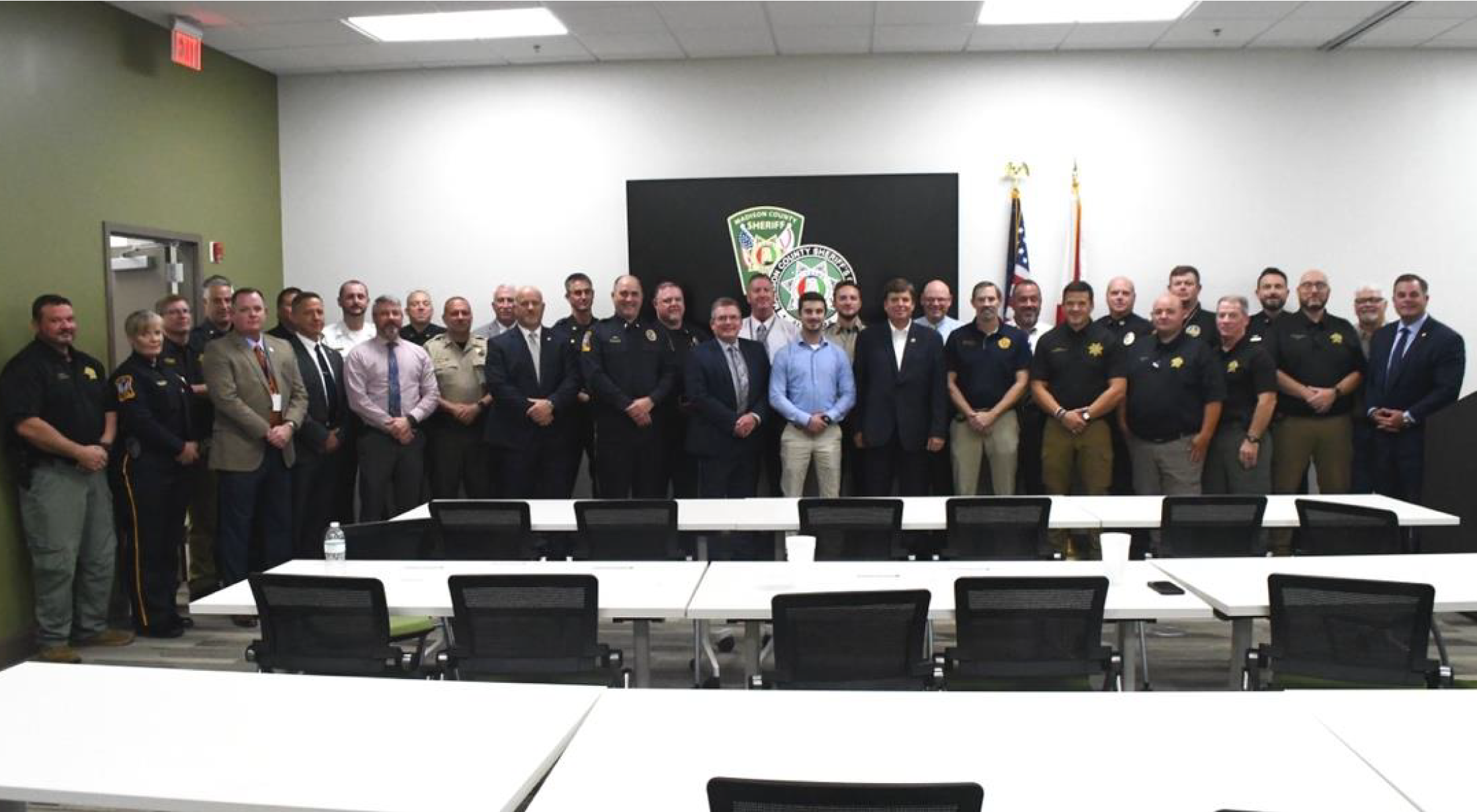
While the radical left moves to defund law enforcement, I will work tirelessly to back our men and women in blue who put their lives on the line daily to uphold law and order. There is no stronger supporter of the first responder community than me on Capitol Hill.
It is evident that our Christian values are under attack by the far left. While home, I met with pastors and faith leaders from across our district. It was refreshing to be in the company of fine folks back home that believe in the principles that make this nation great.
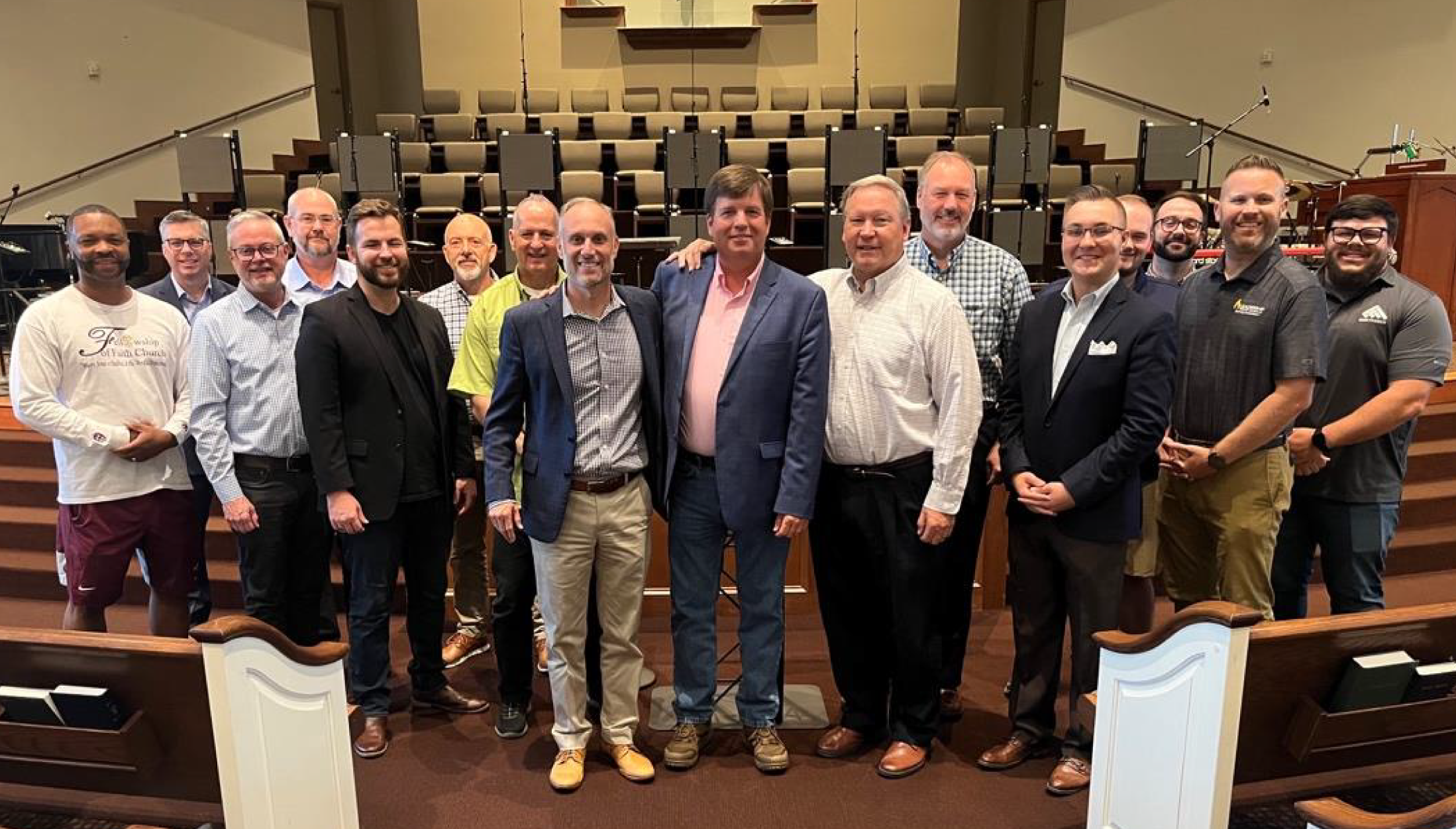
While leftists call for abortion on demand and push transgenderism on schoolchildren, I am grateful we live in North Alabama where common sense prevails. In Congress, I’m proud to fight against the woke agenda and to restore the conservative values this nation was founded upon.
From the Shoals to Sand Mountain and everywhere in between, it was great to leave Washington and spend an entire month back in God’s country. As I return to Washington, I look forward to continuing to fight for North Alabama.
Congressman Dale W. Strong represents the Fifth District of Alabama and is a member of the House Armed Services, Homeland Security, and Science, Space and Technology Committees.
Gas prices are on the rise once again, and families all over the country are feeling the burden.
The average price for a gallon of gas today is $3.81, which is higher than this time last year and is the second highest on record for this time of year in several decades.
There are many reasons why prices are rising, but OPEC+ cuts and shrinking oil reserves are a huge part of the problem. Saudi Arabia recently announced it’s extending a production cut equal to 1 million barrels a day until December, which means supply will remain lower than usual. Historically, the United States has been able to balance out OPEC cuts by releasing oil from the Strategic Petroleum Reserve (SPR) into the market.
Why can’t the Biden administration take this action now? Well, the SPR stockpiles are at their lowest levels in over 40 years because President Biden drained them last year when he released millions of barrels in a poor attempt to distract from the fact fuel prices were through the roof due to his war on American energy production. The reserves were not replenished, and the Department of Energy estimates it could take years to replenish what we lost.
To make matters worse, over a million of the barrels President Biden released were purchased by the Chinese Communist Party to add to their stockpile. That’s why I immediately joined 330 of my House colleagues (including 113 Democrats) in passing the “Protecting America’s Strategic Petroleum Reserve from China Act,” to prohibit the sale and export of crude oil from the reserve to any entity under control of the CCP. The bill also prohibits non-emergency drawdowns of strategic reserves without a plan to simultaneously increase energy production on federal lands.
Unfortunately, Biden’s self-inflicted energy woes don’t end there. Just this past week, the Biden administration quietly overturned a Trump-era rule and banned the transportation of fossil fuels by train. At a time when supply is already low and supply chains are struggling to meet demand, the Biden administration continues shooting itself in the foot and worsening the crisis it created.
We’ve got to unleash American energy production, replenish our reserves, and bring relief to the American people. We have the resources and the capabilities to do this, but we need
President Biden to use some common sense and work with us.
Jerry Carl represents Alabama’s First Congressional District. He lives in Mobile with his wife Tina.
Last Tuesday, a federal court struck down the congressional maps passed by the Alabama Legislature.
It was a decision that wasn’t surprising to many as the court had ordered the creation of a second majority-minority district to give black voters an opportunity to elect a candidate of their choice.
The judges said they are “deeply troubled that the State enacted a map that the State readily admits does not provide the remedy we said federal law requires.”
U.S. Circuit Judge Stanley Marcus, U.S. District Judge Anna Manasco, and U.S. District Judge Terry Moorer continued to say, “We are not aware of any other case in which a state legislature — faced with a federal court order declaring that its electoral plan unlawfully dilutes minority votes and requiring a plan that provides an additional opportunity district — responded with a plan that the state concedes does not provide that district. The law requires the creation of an additional district that affords Black Alabamians, like everyone else, a fair and reasonable opportunity to elect candidates of their choice. The 2023 Plan plainly fails to do so.”
The Voting Rights Act of 1965 prohibits voting practices or procedures that discriminate on the basis of race, color, or membership in one of the language minority groups.
Therefore, a federal court will be appointing a special master to redraw the lines and create district maps the court will find more appealing
Opponents of the plaintiff’s redistricting plan believe the goal is to make Alabama’s Second Congressional District majority black, thereby giving the Democrats that congressional seat.
So that begs the question, who is the person that the Democrats want in the Second District?
There has been speculation the Democrats’ preferred candidate will be Montgomery Mayor Steven Reed.
In Montgomery, it’s almost a foregone conclusion that Reed wants the seat, but desperately needs the courts to gerrymander the district for him to win.
There are 11 plaintiff plans for redistricting and you can find them here.
In every variation of the redistricting plans put forward by the plaintiffs, with only one exception, Coffee County gets moved into the First Congressional District.
Coffee County is where U.S. Rep. Barry Moore lives.
The new lines will likely move him into the first district and pit him against Rep. Jerry Carl, therefore paving the way for Reed to run for Congress in the new Second Congressional District.
During an interview on “The Jeff Poor Show”, Alabama Speaker of the House Nathaniel Ledbetter said, “It’s a little confusing because they don’t want us to gerrymander those districts, but then they ask us to gerrymander them.”
This is a case that former U.S. Attorney General, Eric Holder has been intimately involved in as he leads the Redistricting Foundation. This one is only the beginning as there are other states Holder has in his crosshairs.
Georgia, Louisiana, South Carolina, and others are waiting with bated breath on the outcome of this case.
The Alabama redistricting case will set the precedent for the rest of the country and likely hand the Democrats additional House seats in the slim Republican-controlled House of Representatives.
The group headed by Holder sees the decision to throw out the Legislature’s redistricting plan as a win for democracy and a win for Black voters across the state.
Opponents see it as an opening for Democrats to gain House seats by gerrymandering the districts in order to ensure that Democrats control at least two House districts in Alabama.
The plaintiffs have been ordered to present three maps to the court by end of business Sept. 25 to ensure the process is completed and to not interfere with the upcoming elections, which many could argue is already interfering at this point.
Regardless, the new maps will undoubtedly make for plenty of drama as the Republican primary draws near with some House members unsure of their district lines.
For the members who get drawn into completely new districts, the chances of winning re-election will be extremely tough.
Nate Butler is a contributing writer for Yellowhammer News. You can reach him at nate@yellowhammernews.com and you can follow him on Twitter @realnatebutler
High gas prices over the past three years have contributed to record oil company profits. Yet domestic oil production has not surged in response. The Biden Administration blames corporate greed while critics blame Biden’s anti-energy agenda.
Recent research suggests another possibility, our very own oil cartel.
Gas prices stand about 60 percent higher than January 2021 although down from summer 2022. Administration officials have noted weak industry interest in Federal leases and Exxon and Chevron have recently canceled projects. Domestic production only recently (virtually) reached its pre-COVID November 2019 peak.
A cartel might have emerged through horizontal stock ownership by institutional investors through vehicles like mutual funds and index funds. Many investors seek diversified, passively managed stock funds which mirror the S&P 500 or other stock indexes and avoid high fees. The success of such funds has led to institutional investors owning perhaps 80 to 90 percent of major corporations. The “Big Three” asset managers – BlackRock, Vanguard, and State Street – own about a quarter of the stock of many large companies.
Consequently, asset managers own large chunks of competing firms with significant implications for economic theories of competition. Economists assume that independently owned firms maximize their own profits. Aggressive competition – cutting prices, offering better service – takes customers, and consequently profits, away from competitors. Free market economists think competition can be very vigorous even with a small number of competitors.
Common horizontal ownership changes this dynamic. If the owners of Delta also own American, fare-cutting takes revenue from themselves. Horizontal ownership makes collusion to restrain competition more likely. But even without collusion, the incentive to compete is diminished.
The Biden Administration’s war on fossil fuels could also be inhibiting domestic oil production. But climate change may be camouflage. BlackRock CEO Larry Fink may claim to be saving the planet while really leading a domestic OPEC.
Horizontal ownership raises clear antitrust concerns. To date, institutional investors’ horizontal ownership has flown under the radar.
But recent research by Professor Jose Azar and coauthors has documented an anticompetitive impact of horizontal ownership. Making a convincing case that horizontal ownership instead of other factors drives any observed price differences requires careful analysis. One of Professor Azar’s studies examined airlines, where fares on each route, say Atlanta to Chicago, can be analyzed separately. Economists use the Herfindahl-Hirschman Index (HHI) to measure effective competition in a market. Azar and colleagues use a modified HHI (MHHI) which decreases effective competition when a small number of competitors also have common ownership.
Differences in fares across routes depended more on the MHHI than the traditional HHI, even when controlling for other factors. In addition, mergers among financial institutions increasing the MHHI but not the HHI increased prices. Finally, routes where fares and the MHHI increased typically experience fewer travelers, helping rule out increases in demand for flights as driving higher fares.
Overall Azar and colleagues find that horizontal ownership results in fares being 3 to 7% higher. An examination of banking also found horizontal ownership to increase fees. These relatively recent results are not the final word but raise red flags.
Horizontal stock ownership can also explain other market behaviors. As Harvard’s Einer Elhauge observes, CEO bonuses are often based on industry performance and not their firm’s performance. This reward structure only makes sense with horizontal ownership of leading firms in an industry.
Could antitrust help address horizontal ownership? As a principle, I am skeptical of antitrust as markets can humble even the largest companies if they fail to serve customers. Professor Elhauge suggests limiting stock funds seeking diversification to investing in only one company in an industry; BlackRock need not own Delta, American, and United.
The possible transformation of Americans’ desire to avoid stockbroker fees into a mechanism for collusion illustrates the fears of many that smart business insiders can take advantage of them. While this fear is real, complicated regulations truly empower the greedy. Deregulation and competition surprisingly offer the best hope to align greed with consumers’ interests.
Daniel Sutter is the Charles G. Koch Professor of Economics with the Manuel H. Johnson Center for Political Economy at Troy University and host of Econversations on TrojanVision. The opinions expressed in this column are the author’s and do not necessarily reflect the views of Troy University.
Being elected to Congress is like having a guaranteed job for as long as you want. They serve two year terms and the reelection rate is 96%. All you have to do is vote the party line and not commit murder and you are there for life. The path to reelection to most political offices is to have money and name identification and this is especially true in congressional races.
All seven of our congressmen are considered in safe seats. We have six Republicans and one lone Democrat in our Alabama delegation to the Potomac. The districts as currently drawn are designed for six Republicans and one Democrat.
A three-judge federal panel made up of two Republican-appointed judges and one Democratic-appointed judge made the decision over two years ago that Alabama should have a second Black Democratic seat. They hung their hat and robe on the fact that one Black Democratic seat is not sufficient in Alabama given that one seat comprises only 14% of the black population and Alabama has a 27% Black population. Thus, Black Democrats should have two rather than one Democratic seat in the Heart of Dixie.
This decision has been upheld by none other than the United States Supreme Court. Therefore, folks, it is about to happen.
I predicted over a year ago that the courts or their appointed cartographer will draw a second minority district. I believed the court will ignore the Legislature’s partisan plan in favor of the Milligan/Plaintiffs Plan. The result will be the new congressional lines for the next decade.
The Milligan/Plaintiffs Plan is perfectly drawn and expertly designed to comply with the court’s decree. This plan creates a second minority district centered around all of Montgomery, the Black Belt, and the Black voters in Mobile. The new second minority district will appropriately be Alabama District 2.
The old Second District that Republican Barry Moore sits in will be dissolved. The Whites in the five Wiregrass counties will be sent to the Mobile/Baldwin Republican district held by Jerry Carl.
Under the Milligan/Plaintiffs Plan, Congresswoman Terri Sewell’s district is beautifully drawn for her. It is essentially the same as her current district. It will be 55% Black.
The new Second District will be 50% Black. The Republicans will contest this new district and may prevail. However, the odds favor a Black Democrat. My guess is when the dust settles in November 2024, Alabama’s congressional makeup will be five Republicans and two Democrats.
This change has been brewing for over a decade. Black voters have argued that having a Black population of 27% calls for two seats under the Voting Rights Act of 1965. Finally, after the 2020 census, Black plaintiffs sought relief from our federal courts. It was clear that the growth in the Black population in the Montgomery area would allow for a congruent, clearly defined second minority district. When you include Montgomery with the 12 rural overwhelmingly Black and Black Belt counties and draw in most of the Black voters in Mobile, it became possible.
The three-judge panel agreed and gave the state a two-year reprieve because the 2022 elections based on the 2020 census were already ongoing. You could tell from the original decision to stay the case due to the timing of the 2022 elections that the Supreme Court was interested in revisiting this Alabama scenario. They did and they ruled and sent it back to the three Alabama judges to uphold. The three-judge panel is going to rule on the final district lines any day now.
The lines that the judges deliver to Alabama soon will favor a second minority district for our state. This Supreme Court case is far reaching. It will also change the partisan makeup of other Southern states like Louisiana, Georgia, and North Carolina. The Supreme Court knew what they were doing. They knew they were using Alabama as a guinea pig and plowing new ground in the South under the Voting Rights Act.
Our Alabama congressional delegation is looking at a shakeup in 2024. However, it will not affect our power and influence in the U.S. House.
Our three Republican powers in Congress – Robert Aderholt, Mike Rogers, and Gary Palmer – will be unaffected, and our two Republican newcomers, Jerry Carl and Dale Strong, will have enhanced Republican districts. Terri Sewell will be entrenched as a Democratic leader in the House.
See You next week.
Steve Flowers’ weekly column appears in more than 60 Alabama newspapers. He served 16 years in the state Legislature. Steve may be reached at www.steveflowers.us.
During the 2023 session, the Alabama Legislature passed a series of bills designed to strengthen Alabama’s economy, reduce the tax burden on small businesses and individuals, and encourage more Alabamians to enter the workforce.
The “Game Plan,” a four-bill package that will supercharge our ability to recruit, retain, and expand those industries in Alabama, passed overwhelmingly with bipartisan support in both chambers.
A bill that eliminated the state’s overtime tax on hourly pay originated in the Alabama House and allows our hard-working citizens to pocket even more of the money they earn.
On top of that, the Legislature started the process of cutting the state’s grocery tax in half and approved unprecedented rebates for Alabama taxpayers.
Each month, the Alabama Department of Labor releases Alabama’s unemployment figures, and from 30,000 feet, the remarkable numbers paint a picture of robust economic progress and unmatched job growth.
But there is more than one way to look at Alabama’s record-low unemployment rate, and it is easy to focus only on the statistics without looking at potential underlying problems.
For instance, Alabama has an astounding number of employed citizens at 2,151,200, which sets the overall unemployment rate at 2.1%. That is a historically low unemployment rate and encouraging evidence that the legislature’s focus on pro-growth, pro-jobs legislation is working.
However, our record-breaking employment numbers reveal only a portion of Alabama’s workforce participation and employment readiness scenarios.
According to data compiled by the U.S. Chamber of Commerce, Alabama has only 43 workers for every 100 open jobs, and an even deeper look into those numbers indicates a much broader problem we must address.
Currently, in Alabama, there are roughly 140,000 job openings and, at the same time, 48,834 workers are unemployed across our state.
That means we are lacking nearly 100,000 workers over 16 years old, which puts our labor force participation rate at a mere 57% — one of the lowest rates in the entire country.
Perhaps most troubling is the fact that the U.S. Chamber classified Alabama as one of the “most severe” labor and worker shortage states in the nation.
For comparison among our sister southeastern states: Tennessee has 233,000 job openings and 105,737 unemployed workers, bringing its labor force participation rate to 59.4%. For every 100 job openings in Georgia, there are 57 workers and a labor force participation rate of 61.4%.
Nationwide, federal and state leaders are starting to pinpoint the paramount concerns of the labor shortage and are working to find solutions to best address the issue.
Alabama has one of the most business-friendly climates for industry expansion, recruitment, and relocation, but our labor shortage issues go deeper than just favorable tax credits, rates, and regulations for corporate entities and employers.
Job training and career readiness have been at the forefront of Alabama’s career development pipelines for nearly a decade, and thanks to collaboration across state agencies, task forces, and public-private partnerships with two- and four-year higher education institutions, Alabama’s career pipelines are resistant to economic downturns and have proven to be effective at producing skilled workers.
But there are some non-technical training areas we’ve neglected to address in Alabama, such as extending adequate childcare to families, examining the correlation between productivity growth and labor output, ensuring wages and salaries are competitive, addressing adequate workforce housing concerns, and offering even better and more expansive mental health programs and services.
An insufficiency of resources such as these creates barriers to workforce entry as much as an absence of quality education.
Improving our workforce is a prime area for Alabama to make significant gains. As Speaker, I am proud of the work being done across both chambers and parties to bring meaningful solutions to the floor that will safeguard and accelerate the promise of Alabama’s economy today and for future generations.
Over the coming months, I will begin working with an ad hoc study commission of House members to look at several of these issues and the best ways to address them. We will start the conversation on preventing Alabama’s looming labor shortage and identify avenues to prepare and retain qualified workers to fill high-paying jobs.
We will emphasize collaboration and coordination with existing committees, entities, and task forces such as Innovate Alabama, the Alabama Workforce Council, and the Department of Commerce.
And we will prioritize working with essential stakeholders such as the Business Council of Alabama, Manufacture Alabama, the National Federation of Independent Businesses, the Realtors, Homebuilders, Associated Builders and Contractors, as well as the Women’s Foundation of Alabama and Chambers of Commerce across the state for private sector input and solutions.
After assessing the issues and working through several key topics in the next session, I intend to establish a formal committee to address the ongoing labor shortage problems over the coming years.
Upon recommendations from our collaborative efforts this fall, the Legislature must guarantee no barriers exist to workers seeking entry to the workforce. If legislation is required to address this issue, we will take the necessary steps to ensure we are making strides to fill all of Alabama’s open jobs.
We have made significant progress in Alabama and grown our economy to a greater degree than I have ever witnessed in my lifetime. But if we are going to focus on industry expansion, we must remember the lifeline of business recruitment: having an abundance of qualified and able workers to fill jobs.
Nathaniel Ledbetter is the Speaker of the Alabama House of Representatives, representing the people of District 24.
Imagine a country in the 20th century that in a matter of 30 years went from a per capita income of $500 to one of $50,000. Imagine further that the country had no natural resources and was roughly 150 times smaller than Alabama.
And what would we think about a leader who achieved such spectacular results?
Meet Lee Kuan Yew, who, had he lived, would be 100 years old this month. From 1959 to 1990 he served as prime minister of Singapore and was largely responsible bringing a Third World country into the First World.
In short, he was a visionary leader who contemplated a greatness for his country that few could imagine. He refused to accept the low expectations of his peoples’ capabilities and embarked on a mission of almost unachievable goals.
When Lee (in Singapore last names come before given names) accepted the mantle of political leadership, the world bequeathed to him was neither stable nor secure or certain. Singapore was a city state with a strategically located port where ships from all over the world docked, but that seemed to be its only natural asset.
Far from homogeneous, Singapore’s people were ethnically diverse with a stratified community of various faiths and cultures, with little historical memory. Other than the business of trade, the country had no unifying or organizing principle for political cohesion.
But, Lee, who trained as a lawyer in Cambridge with a smattering of additional education from the London School of Economics, created a political party that focused on a peaceful transition to home rule within the British Empire. Politically, he never sought independence, but saw Singapore as part of a larger state, merged with other, smaller countries that were former colonies in his region.
Initially, this concept worked, and for at least a few years, Singapore was part of Malaysia. But, with boundaries artificially defined and few commonalities between the people, Singapore was not a great fit as part of an emerging country.
Within the combined territories that comprised Malaysia, there were many factions based on ethnic issues and fueled in many ways by competing cold war ideologies. Singapore became infected with racial strife leading to riots stirred up by Malaysian ethnic rivalries.
To stop the bloodshed, Malaysia decided to expel Singapore at which point Singapore became the first country to inadvertently achieve independence. Thus, against its will, Singapore was foisted, kicking and screaming, into nationhood.
At this time, no one was sure how a large city could maintain a separate independent state in a rough neighborhood. Were it not for Lee’s leadership, Singapore could easily have become a pawn in the larger cold war or a satellite in the Chinese sphere of influence.
But Lee had a different vision. While he was devastated by Singapore’s expulsion, he embraced the opportunity and created a vision for Singapore that would set in motion a prosperity unimaginable to anyone-except for Lee Kuan Yew.
Realizing the vulnerabilities of the new country, Lee sought Singapore’s diplomatic recognition. He applied for entrance and was accepted into the United Nations. Largely dependent on other countries and with no minerals or other resources, he entered into treaties with surrounding nations. He also imposed conscription to rapidly built up a defense force.
Within his government, he removed all communist elements and supported President Johnson’s policies in Vietnam. Thus, within a few years of independence, Lee had placed his small city state on the world stage.
Economically, Lee realized he must create employment opportunities for his citizens. Knowing that work and a high standard of living were a key to his independent country’s growth and development, he created an economic policy that provided incentives for foreign investments.
He built factories and provided job training. Critically, he embraced the British legal system, adopting the common law so that foreign investors would know with certainty their rights would be protected against any nationalization. This stability, along with a low tax base and a highly skilled, but cheap labor force, expanded Singapore’s economy to new heights.
As prime minister, Lee ran a squeaky-clean government with zero tolerance for corruption. One means to prevent corruption was to pay government employees a high wage so there was no incentive to supplement a government salary with bribes.
But the economic growth came at a cost. Even while embracing a market economy to efficiently allocate resources, the people of Singapore were not given the rights Lee observed from his time in Britain. The press was not especially free as censorship was practiced to prevent criticism of government policies.
Under Lee, Singapore strictly enforced its criminal laws with public corporal punishment for littering and executing anyone found guilty of trafficking in narcotics. When questioned about the severity of these laws, Lee’s supporters pointed to the cleanliness of the city and the lack of serious crime.
Even though several human rights groups objected to Singapore’s human rights violations, that did not stop foreign investment in the manufacturing sector, financial services, and international trade. Businesses liked the stability of the government but were also drawn to the work ethic of the people.
When asked why Singapore experienced such dynamic growth, Lee said that the most critical factor to achieve national competitiveness is “manpower resources,” which he believed is exhibited in creativity, innovation, entrepreneurship and good management.
As Lee retired from government in 1990, he continued to serve in an advisory role and became a commentator about leadership, economic development, and the power of ideas.
Even after his death in 2015, his legacy as a visionary leader has grown, and his accomplishments are studied and cited as authority for creating a dynamic economy from scratch.
Remembering Lee Kwan Yew on his birthday, one quote is worth highlighting: “A nation is great not by its size alone. It is the will, the cohesion, the stamina, the discipline of its people, and the quality of their leaders which ensure an honorable place in history.”
Will Sellers is a graduate of Hillsdale College and an Associate Justice on the Supreme Court of Alabama. He is best reached at jws@willsellers.com
Oftentimes, the federal government identifies a problem, implements a solution, but fails to consider the long-term costs and impact that its decision may have. These unintended consequences can create massive headaches, cost people tons of money, and be difficult to undo.
I have seen this time and time again during my 2 1/2 years in Congress, and I find myself constantly fighting back against unnecessary big government rules and regulations.
A perfect example of this is the U.S. Fish and Wildlife Service listing the Alabama beach mouse (Peromyscus polionotus ammobates) on the Endangered Species List.
In June 1986, due to habitat fragmentation, habitat loss, and strong predation, the Alabama beach mouse was listed as endangered by the Fish and Wildlife Service. It is one of two subspecies of field mice living in coastal sand dunes along Alabama’s coast. The beach mouse plays a critical role in our local habitat.
They are a food source for other animals and collect seeds that spur vegetation growth, which protects our dunes and prevents coastline erosion.
While the federal government clearly understands the beach mouse plays an important role in the local food chain and habitat resiliency, they have failed to understand how their actions to protect the beach mouse have created huge issues for countless people in my district.
Since the beach mouse was listed as endangered in the 1980s, government agencies have spent millions of dollars on their protection and have driven up the cost to build and develop property in affected areas.
When the beach mouse was first listed, the population had been largely wiped out. Today, it is estimated 40 to 70 mice can be found in a 550 square-meter unit. The population has rebounded and is very strong today, but the ABM’s list status remains unchanged.
As a result, growth is severely limited in the affected areas because homeowners and homebuilders are hugely limited on where they can build and how they can build.
I have heard from numerous constituents who have had nightmares dealing with ridiculous amounts of paperwork, permitting, etc., in order to comply with the rules and regulations imposed by the federal government.
Folks also have to pay an annual tax based on the number of bedrooms in their home or condo to protect the beach mouse and restore its habitat.
Baldwin County, where the beach mouse population lives, is one of the fastest growing counties in the state, but this growth is being stunted simply because the USFWS has taken such a heavy-handed approach to protecting a previously endangered species that is no longer endangered.
It’s way past time for the Alabama beach mouse to be removed from the Endangered Species List.
Jerry Carl represents Alabama’s First Congressional District. He lives in Mobile with his wife Tina.
As our nation grapples with the ongoing debates surrounding healthcare reform, our elected representatives must prioritize the interests of patients.
I encourage Sen. Tommy Tuberville to stand against the Pharmacy Benefit Manager Reform Act, S. 1339, introduced by Sen. Bernie Sanders (I-Vt.).
This bill will do more harm than good to our state’s patients and the businesses that provide healthcare coverage to their employees.
The proposed bill seeks to impose increased government control over healthcare, specifically targeting pharmacy benefit managers (PBMs) and their role in lowering patient costs. PBMs are vital in administering drug plans for over 275 million Americans who rely on health insurance from various sources.
They have gained popularity due to their ability to secure lower prices for prescription drugs, translating into tangible benefits for patients. On average, PBMs save patients around $1,040 annually, demonstrating their effectiveness in reducing drug costs.
A key aspect of PBMs’ success lies in their ability to negotiate for the vast groups they serve. By leveraging their influence, PBMs secure significant savings, which lower prices for health plan sponsors and patients.
These savings, ranging from 40 to 50% on prescription drugs and related medical expenses, significantly alleviate the financial burden on patients and contribute to the overall affordability of healthcare.
However, the proposed S. 1339 threatens to disrupt this delicate balance by introducing burdensome, big government red tape, such as demanding the disclosure of proprietary information. This move could hinder competition and harm consumers.
The intricate, privately negotiated agreements that PBMs enter into achieve the best possible patient and business outcomes. Forcing these agreements into the public domain could lead to unintended consequences, including increased costs and diminished quality of care.
Furthermore, the bill aims to alter and restrict essential practices that PBMs use to lower drug prices, such as spread pricing, administration fees, and rebates. This interventionist approach by the government runs counter to the principles of free markets and healthy competition.
By limiting the options available to PBMs, S. 1339 could inadvertently restrict patients’ access to affordable medications and stifle innovation in the healthcare sector. This bill should raise concerns among proponents of free markets and those who value patient choice and access to a diverse range of treatment options.
One of the most pressing concerns is that supporting S. 1339 could open the door to further government involvement in healthcare. If passed, this bill will set a precedent that encourages the expansion of government-run healthcare and, ultimately, a move toward socialized medicine.
For those who believe in the power of free markets and individual choice, supporting such a bill contradicts these core principles and could have far-reaching consequences.
I encourage our senior senator to oppose jeopardizing our healthcare system’s successful free market mechanisms that deliver lower prices for patients, such as PBMs. The potential consequences of S. 1339 on patients, businesses, and the broader healthcare landscape are not worth the risk.
John Merrill served as the 53rd Secretary of State for Alabama from 2015-23.
A new bridge is in development for I-10’s “Bayway” between Mobile and Baldwin Counties of Alabama. I am starting a citizen movement to officially name the new bridge, “The Jimmy Buffett Bayway.”
Jimmy Buffett worked and lived both sides of Mobile Bay – Mobile County and Baldwin County.
Mobile: Buffett grew up in mid-town Mobile, graduating high school from “McGill Institute,” now McGill-Toolen. His first musical performances were as a trombone player in the McGill band. To purloin a phrase, he was “unsung.”
Some early days as a singer and guitarist were at The Admiral’s Corner, the bar at the corner of Government Street and Joachim Street in the famous Admiral Semmes Hotel. He mostly played for Mobile friends and a few hotel guests. He earned $5.00 a night plus tips.
Buffett had a difficult time then getting the popular local radio station, WABB, to play his early records.
That experience resulted in a Buffett song and recording that also did not get much air play. His WABB song was such a non-hit that I can’t find the title of it on Google or Wikipedia. That is a real non-hit.
Buffett’s parents lived during most of their working careers in Mobile.
Baldwin County: Buffett’s parents, James Sr. and Peets Buffett, moved to the Eastern Shore of Baldwin County and enjoyed the sunsets and Jubilees in their sunset years.
Buffett’s first known recording sessions were at a small, struggling studio in Baldwin County’s Daphne.
Buffett would often headquarter in Baldwin County with his parents or his sister Lucy Buffett (Lulu) in frequent visits home.
He never forgot where he came from. Living and working in New Orleans, Nashville, Key West, the Caribbean, and in the sea and air (he was a pilot), he gravitated home to the Alabama Gulf Coast.
Jimmy Buffett was generous with his time and money.
He anonymously donated two vintage World War II aircraft to the Battleship Alabama Park, on the Mobile/Baldwin line. He performed dozens of impromptu, unpaid sets at Buffett-ambianced spots in Baldwin County – Lulu’s (a Gulf Shores restaurant owned by his sister, Lucy Buffett); Judge Roy Bean’s (owned by Buffett friend Jack West); the Hangout; and fundraisers after hurricane damage.
Both sides of Mobile Bay claim Buffett.
It is altogether fitting that the new I-10 Bayway bridge be named after the man who brought people together. His music will continue to bring people together.
The word “Bayway” needs to be in the bridge’s name because there is a tiny “Buffett Bridge” in Buffett’s birthplace of Pascagoula, Mississippi. The new I-10 bridge will be an eight-mile long, tall tribute to a huge star who fell on Alabama.
I will file a written request with ALDOT (Alabama Department of Transportation) and with the state legislature to officially name the bridge, “The Jimmy Buffett Bayway.”
Jim Zeigler is a former State Auditor of Alabama. In 2019, he organized a 55,000-member citizen group that blocked a toll charge on the I-10 Bayway.
This Labor Day, a pressing question reverberates across the United States: “Where are the workers?”
Alabama shares this concern, grappling with just shy of the lowest labor force participation rate in the country. Gov. Kay Ivey rightly emphasized the importance of labor force participation, a sentiment echoed by Lt. Gov. Will Ainsworth’s efforts to elevate Alabama’s workforce.
The reality becomes all our issue. We all have likely experienced much longer waits at a local diner, longer checkout lines at the grocery store, or shipping delays from supply chain hiccups. It’s not uncommon today to pay almost double for the same goods and services as we did two years ago.
While we are blessed to welcome big companies from various countries into our great state, we cannot forget the challenges faced by our smaller, hometown businesses in retaining their workforce. The U.S. Chamber reports that Alabama already starts at a disadvantage, with only 43 potential workers available for every 100 open jobs in the state.
Does it sound like a dire situation? Yes. Can it improve? Absolutely. This is Alabama. We are known for using innovation, collaboration and intention to turn a tough situation into a touchdown for businesses and families.
The Alabama Community College System is uniquely positioned to help advance the workforce landscape. Our influence already touches one of every 27 jobs in the state; we stand ready to impact even more.
Our system is working because we aren’t working alone. Alabama’s leadership, businesses and industry are right alongside us to champion ways that connect residents to opportunity.
Innovation
One promising initiative, “Skills for Success”, is helping workers acquire training and credentials in high-demand industries faster than we have ever offered before. In as little as two weeks’ time and at no cost to the participants or employers, more than 5,000 residents like Andrika Hamilton, Brian Davis and Dylan Hill have signed up for training to earn credentials to work in high-demand industries.
These trainings began a little over a year ago and continue to expand. One of our newest Skills for Success offerings, the free fiber-optic technician and installer training, is underway at our community colleges to help with the state’s recently announced broadband expansion.
Skills for Success is just one of the innovative ways we are making a difference. From Adult Education programs to specialized training and new apprenticeships in healthcare, aerospace and manufacturing, our colleges are opening doors to achievement to help residents improve their quality of life. We also offer the convenience of many credential and degree programs online.
Collaboration
We recognize that not all residents who want to work can do so. We support the Paths for Success Foundation that works with all 24 of our community colleges to assist with the very needs that hinder residents’ ability to get the training they need, such as transportation or childcare.
We also know that we in postsecondary education are not the only ones with the answers. Established in 1963, our colleges are most successful when we connect with business, industry and community leaders to collaborate on plans to strengthen Alabama. This was true with the school bus driver training we created alongside K-12 to train much-needed bus drivers in more than 115 school districts in the state, helping about 2,000 residents successfully become school bus drivers for the state’s children. It is also true with the line worker training we have established at multiple colleges with Alabama Power, and the advanced manufacturing apprenticeships we house in partnership with the Federation for Advanced Manufacturing Education (F.A.M.E.) chapters across the state.
Intention
If our labor force participation rate is going to move from the back of the line to the front, it’s going to have to be on purpose.
Intentional, high-quality, accelerated training can swiftly place individuals into well-paying, in-demand jobs. This kind of training is an obvious benefit to individual Alabamians, but it also helps improve our labor force participation and propels Alabama forward.
We can do this.
This Labor Day, as we ponder the “Where are the workers?” question, let us also contemplate “How can we help residents reach their best success?” The Alabama Community College System’s academic and workforce training programs are a shining example of how innovative workforce training can bridge the worker shortage gap and drive progress for Alabama’s economy and its people.
The Alabama Community College System is committed to helping Alabama achieve excellence in the labor force. We won’t cut corners to help get people to work.
Jimmy H. Baker is Chancellor of the Alabama Community College System. To learn more about the system’s 24 colleges, programs and services, visit www.accs.edu.
As the long hot summer ends and Labor Day approaches, let’s take a look back at what occurred over the last three summer months, politically.
First of all, it was one of the hottest summers on record. Temperatures soared into the hundreds as early as late June. On one of those late June days, one of the hottest political events of the year occurred. The annual Tomato Sandwich Lunch event hosted by Alabama Agriculture Commissioner Rick Pate was the biggest, yet. The 20th annual Tomato Sandwich Lunch held at the Ed Teague Arena near the Garrett Coliseum was a must-be-at event for Alabama political elite.
The Tomato Sandwich Lunch promotes produce from local farmers and encourages people to eat Alabama grown products. Alabama based vendors donate all of the food for the event. Commissioner Pate was a master host to over 500 attendees.
In attendance were U.S. Sen. Katie Britt, State Treasurer Young Boozer and Lt. Gov. Will Ainsworth. PSC member Jeremy Oden came from Cullman and State Board of Education President Wayne Reynolds came from Athens.
State judges in attendance were Supreme Court Judge Greg Cook, Criminal Appeals Court Judge Bill Cole, and Civil Appeals Court Judges Matt Friday and Bill Thompson.
Legislators spotted were State Sens. Josh Carnley and Will Barfoot, as well as Reps. Jerry Starnes, Margie Wilcox, Van Smith and Ed Oliver.
There were dozens of county commissioners from all over the state.
Many of the state’s most prominent lobbyists were there along with many of the governor’s
Cabinet members. Alabama Power Government Affairs guru Houston Smith, as well as Alfa Executive Director Paul Pinyan were prominent. In fact, most of Alfa’s governmental affairs folks were at this very fun and political event.
During the summer, everybody and their brother or at least everyone whoever won a 4-H speaking contest entered the race for the Republican nomination for President. There must be 20 people running against Donald Trump for the GOP nomination. This is just what Trump was hoping for. It splinters the anti-Trump vote to such a degree that it virtually assures him the nomination.
During the summer, the U.S. Supreme Court decided that Alabama’s Congressional districts were gerrymandered to keep Black voters from being able to elect a second Black Democrat to Congress. Alabama currently has six white Republican Congressmen and one Black Democratic Congresswoman, Terri Sewell.
In July, former Alabama Supreme Court Justice Mike Bolin won a special election to fill a seat on the five-member Jefferson County Commission. His election was like manna from Heaven for the Jefferson County Republican Party. The commissioner, who departed this important seat, was a Republican. The commission had a three to two Republican majority. Therefore, it was an important election for the state’s largest and most important county.
Mike Bolin had just retired from the Alabama Supreme Court after 18 years on the state’s high tribunal. He had been Probate Judge of Jefferson County for 16 years prior to his service on the Supreme Court. He only retired from the Supreme Court due to a state law that prevents judges from running for reelection after age 70.
Bolin is Jefferson County through and through and one of the most respected gentleman and public servants in Jefferson County and Alabama. The imperial county of Jefferson is fortunate that Judge Mike Bolin was available and ready to serve. His swearing-in ceremony occurred on a sweltering hot July 31. The large Jefferson County Courthouse commission chambers was overflowing. It was a congregation of who’s who of Jefferson County politics.
Hope you had a good summer. Happy football season and happy Labor Day!
See you next week.
Steve Flowers’ weekly column appears in more than 60 Alabama newspapers. He served 16 years in the state Legislature. Steve may be reached at www.steveflowers.us.
Alabamians are feeling a bit of relief at the grocery store checkout lines as a result of the tax cut on food that a coalition of conservative lawmakers and I pushed through the Legislature during the 2023 regular session.
Beginning on September 1, the state’s four percent sales tax on grocery items was reduced to three percent, and if growth in the Education Trust Fund continues at the same pace as recent years, another $150 million tax cut will automatically go into effect as soon as 2024.
My goal is to continue chipping away at the tax until it is eliminated altogether in the near future.
Alabama was one of only three states that taxed groceries at the full rate – South Dakota and Mississippi are the others – and we are one of only 13 states in the nation that levy any tax on food.
The newly-implemented tax cut applies to any food that falls under the definitions of the federal food stamp program, known as SNAP in D.C. circles, which means all groceries are covered except for pre-prepared, hot food from in-store delis.
A clause in the law that is now in effect blocks cities and counties from raising their sales taxes on groceries so Alabamians can be assured of the intended savings, but mayors, council members, and commissions do have the option of following our lead and cutting the local sales taxes on groceries if they choose.
For several decades, advocacy groups pushed to remove the grocery tax, but their plans always required new taxes to be shifted onto the backs of the middle class in order to offset revenue losses. As a conservative Republican who believes in cutting taxes, not simply moving them around like a rigged shell game, such proposals were considered non-starters in my eyes and those of my GOP colleagues.
During my term in the Alabama House and now, as lieutenant governor, it became obvious that the commonsense budgeting practices put in place after Republicans gained control of the Legislature in 2010 were creating surpluses and comfortable fiscal cushions that did not previously exist.
The pro-business measures we enacted were also creating an economic atmosphere that attracted both new and expanding industries and encouraged employers ranging from the largest companies to the smallest mom-and-pop storefronts to create new jobs and opportunities for Alabamians who were willing to work.
Soon enough, the unprecedented revenues flowing into the state treasury meant we could afford to begin eliminating the grocery tax without burdening any Alabamians with new or offsetting levies.
I worked closely with Sen. Andrew Jones (R – Centre), House Education Budget Chair Danny Garrett (R – Trussville), and Senate Education Budget Chair Arthur Orr (R – Decatur) to create a workable plan that also offered full protection to public education funding for K-12 schools, community colleges, and four-year universities.
I personally met with countless experts, advisors, and associations, including the grocers who collect the tax at the point of sale, and rallied them to join us in taking action.
Once the bill was drafted, my office recruited all 35 members of the Alabama Senate and 100 of the 105 House members to sign on as sponsors, which was considered by many pundits to be a political miracle in the highly partisan and philosophically contentious times in which we live.
The legislation eventually passed both chambers with unanimous, bi-partisan support.
It is estimated that our dinner table tax cut will save the average Alabama family the cost of two weeks of groceries, which is essential when Bidenomics is causing inflation to skyrocket along with the price of gas and other everyday essentials.
Between 2022 and 2023, the cost of food rose by an average of 7.7% according to the U.S. Bureau of Labor Statistics. Eggs alone cost a third more than they did last year, bread and cereal are up by 25%, and meat, fish, and chicken are substantially higher.
Our success in cutting the grocery tax demonstrates what can be accomplished if we stay true to our conservative beliefs, build consensus, and have the courage to attempt to accomplish what many say can’t be done.
But the job is only half-complete.
We must eliminate the second half of the grocery tax, and a legislative study group we empaneled is already running the numbers, making plans, and putting together a blueprint to accomplish that goal.
In the meantime, Alabamians will find their wallets are just a bit fatter and their bank accounts are just a bit fuller as savings at the checkout continue to accrue, but rest assured that my colleagues and I are working hard to finish our mission of providing you with full relief from taxes on the groceries you purchase.
Will Ainsworth is the Lieutenant Governor of Alabama
The Alabama Department of Economic and Community Affairs (ADECA) recently announced its third round of state grants to fund construction of electric vehicle (EV) charging stations.
This is good news for Alabama’s EV owners and the state at large.
It is well known that range anxiety hinders widespread adoption of EVs. The fear that an EV will run out of battery power before reaching its destination or a charging station affects the overall perception and acceptance of EVs. This is true in Alabama and across the nation.
Underlying the problem of range anxiety is the availability and accessibility of charging infrastructure, among other things. With thousands of gas stations available, every Alabama motorist knows the way to the nearest gas pump. This is not the case when it comes to EV charging stations – at least not yet.
As EV adoption accelerates, so, too, will the need for safe, reliable places to charge. And not just because it’s the hospitable thing to do. Easy access to charging stations reinforces the adoption of EVs and helps Alabama realize the limitless benefits of electric mobility, including environmental sustainability, improved energy management, increased travel and tourism, even job creation and economic growth.
Alabama’s leadership recognizes this need, and they understand building out the state’s EV charging infrastructure is good for its people, businesses and economic prosperity. They’re investing in it, too. Thanks to EV charging infrastructure grants through ADECA, the state has operationalized more than 80 charging stations. So far, ADECA has awarded grants totaling $4.1 million in 2021, $2.45 million in 2022, and $1.2 million in 2023 for construction of EV charging stations throughout the state.
Even better, is that these investments build on the federal government’s $5 billion to create a nationwide network of charging station (Alabama receives $79 million). While federal dollars are dedicated to charging infrastructure projects along interstates and major highways, the state grant program targets gap areas, notably those across rural Alabama. This is significant because Alabama is notoriously rural.
These charging stations might not solve the issue of range anxiety overnight, but it’s more than a step in the right direction. They’re not the only steps we’ve taken, either.
 Take for instance, Drive Electric Alabama, a public education campaign supported by ADECA, to increase awareness about EVs and inform Alabamians about the societal and economic benefits of EVs. You’ve probably heard them say: “EV charging happens at home or work because it’s the most convenient and cost-effective way to charge.” This is accurate and should further assuage the feelings of range anxiety.
There’s also the Alabama Mobility and Power Center, an EV-focused research hub, forged through a public-private partnership between the University of Alabama, Alabama Power Company, and Mercedes-Benz U.S. International.
Together, these initiatives and others have launched Alabama to the head of the pack. Well, almost. Alabama ranks as the nation’s No. 3 automobile exporter. Nevertheless, EV manufacturing commitments made by Alabama-based auto manufacturers such as Mercedes-Benz and Hyundai, plus strategic and sizable state investment equals remarkable potential.
Mike Oatridge is executive director of Alabama Mobile and Power Center housed at the University of Alabama.
Since before I took office, I have been warning people about the dangers that come with millions of illegal immigrants pouring across the border. It’s not just the number of people that are coming across and being lost in the system that concerns me as much as the crime and the drugs some illegal immigrants are bringing with them.
When I first started talking about this issue, I frequently got asked why I cared so much since Alabama is not technically a border state. Well, unfortunately, we have become a border state. Just a few days ago, Immigrations and Customs Enforcement (ICE) agents arrested an MS-13 member on El Salvador’s Top 100 Most Wanted list in Chelsea, Ala.
Yes, you read that right. One of the worst and most violent gang members in El Salvador was arrested in Chelsea, Ala., which is a quiet community of barely 15,000 people in central Alabama.
Juan Carlos Portillo, the MS-13 member who was arrested, is wanted in El Salvador for aggravated kidnapping, attempted aggravated homicide, aggravated extortion, terrorist organization, deprivation of liberty, and aggravated homicide. He had already been deported in December 2022 but illegally crossed the border a second time and has been living in small town Alabama – not a border town or a big city – until ICE finally captured him.
Portillo is not an exception, and he’s definitely not the only Central American gang member living amongst us. State Rep. Shane Stringer (R-Citronelle) has previously talked about numerous encounters he had with MS-13 during his tenure as police chief of Citronelle. MS-13 is very active in our rural communities, and they play a huge role in the drug trafficking issue affecting so many of our family and friends.
Folks, this is an extremely serious issue, and it should scare us all to death what is going on around us.
These violent criminals aren’t just hanging out at the border and living in big cities. They are living all over this country, including in small towns and cities in Alabama.
The worst of the worst are coming out of countries like El Salvador, and the Biden administration is throwing the doors open to these violent criminals, drug traffickers, and international terrorists.
Until we get our southern border under control, get tough on crime, and deport violent criminals, none of our communities will be safe. I can promise you I will continue doing every single thing I can do to get the wall built, fully fund our law enforcement, and work to put an end to this crisis.
Enough is enough.
Jerry Carl represents Alabama’s First Congressional District. He lives in Mobile with his wife Tina.
Taxpayer funded indoctrination of our children has no place in Alabama, and yet that is exactly what we are getting from the oldest library institution in the nation.
The ALA has long been a conduit to allow libraries across the country to bring in pornographic and age-inappropriate books, fight against internet filters that block porn access, and resist concerns from residents who want libraries to represent local community standards and protect children.
Parents are bullied and called “book banners” by the ALA when they advocate to relocate inappropriate books in children and youth sections of local libraries.
These are not isolated events.
Prattville, Madison County, North Shelby County, and Foley have all requested unsuccessfully for libraries to move inappropriate content out of children’s departments. The North Shelby County District library board specifically stated it would not consider a community request to relocate a transgender book display in the children’s section because the ALA considered it censorship.
The ALA is an advocacy association whose membership has knowingly elected a loud and proud Marxist as its president. Emily Drabinski, who took over as the president in July, pushed her political views during her campaign for the ALA leadership post.
“The consequences of decades of unchecked climate change, class war, white supremacy, and imperialism have led us here,” Drabinski said. “If we want a world that includes public goods like the library, we must organize our collective power and wield it. The American Library Association offers us a set of tools that can harness our energies and build those capacities.”
The ALA’s official stance based on its Library Bill of Rights is to oppose all attempts to restrict access to library services and facilities regardless of the age of library users. The ALA stringently and unequivocally maintains that libraries, including school libraries, have an obligation to resist efforts that exclude materials dealing with any subject matter, including sex, gender identity or sexual orientation.
The ALA also continues its fervent opposition to internet filters or “porn blockers” on public computers that may be easily accessed by minors.
Marxist ALA President Drabinski tweeted, “Children are also people who have a right to a private reading life.”
The ALA’s goal is to indoctrinate our children without parents’ knowledge or authorization.
Thankfully, we are seeing local and state libraries across the country disaffiliating from the ALA after realizing the damage being done by this activist group.
Montana, Wyoming, Missouri, and Texas have had their libraries drop membership with the ALA, and six more states – Arizona, Idaho, Illinois, Georgia, Louisiana and South Carolina – are considering withdrawing, as well.
I am calling on local libraries in the state of Alabama to consider this action. Let’s bring our libraries back home.
Alabamians do not need their local library policies to be influenced by a national organization led by a Marxist.
Our local libraries should not select books based upon recommendations by an association that does not share our community values. The ALA even recommends “gender identity” books for for the 0-5 year-old age group.
We must inspire our library boards to consider the bold action taken by the Campbell County Public library in Wyoming:
“The Campbell County Public Library (CCPL) will no longer have any association with, nor be associated with The American Library Association (ALA) its affiliate organizations, subdivisions or subsidiaries thereof. No CCPL public funding will be used for any membership, training, informational services, or events sponsored by the aforementioned groups or any groups associated with them. CCPL policies will be adjusted to reflect the same.”
IF you are a member of a library board, a parent, or a concerned citizen, you can fight back. Urge your local library to disaffiliate from the ALA, or consider seeking a position on your local library board.
We are still a constitutional republic governed by the people and for the people, despite the views of the Marxist American Library Association leader.
Rep. Susan DuBose is in the Alabama House of Representatives, District 45, covering parts of Jefferson, Shelby and St. Clair Counties.
We continually hear that climate change is making extreme weather – from wildfires in Canada and Maui to Hurricane Hilary – worse. Unfortunately, this allows politicians to evade responsibility for their inaction and mistakes.
Researchers have long emphasized that nature’s action and human exposure together produce disasters. A hurricane striking an uninhabited island is not a societal disaster. Many natural hazards have high risk areas, and people create exposure when choosing to live or work in these places. This is not bad: the Florida Keys are beautiful, and many industries must be in vulnerable places. The extra costs of extreme weather are worth bearing if the value from living or working there is commensurately greater.
Our actions once we locate in vulnerable areas impacts vulnerability, particularly the quality of construction. We can build homes and businesses resistant to winds, floods, and even tornadoes. Not every engineering design will be cost effective, but we can build stronger.
Government typically takes actions offering community-wide protection. Levees and management of public forests are examples. The National Weather Service provides weather forecasts and warnings.
Many voices attribute all extreme weather to climate change. One Hawaii state senator stated of the Maui fires, “And I just think this is the new normal not just for the state of Hawaii but for the whole planet, for the whole country.” Apocalyptic talk disregards climate change’s expected impact on severe weather. A warmer future should make hurricanes modestly stronger with more precipitation; extreme weather will become somewhat more extreme.
A small increase in the strength of extreme weather, however, can sometimes have large societal impacts. Nobel Prize winner William Nordhaus estimates that hurricane damage is proportional to the eighth power of landfall windspeed. The projected 9% increase in windspeed would double annual damage.
This is significant, not apocalyptic, and in line with how our actions affect hurricane damage. Employing all wind resistant construction techniques may reduce hurricane damage by half. Strengthened construction might offset global warming’s impact on hurricanes.
Let’s consider now the Maui fires. Many voices blame the dry conditions on climate change. But most of Maui was in seasonal, not exceptional, drought. A wet spring produced lots of plant growth – fuel for the fire season. Combustible invasive grasses have overgrown former sugar plantations. Hurricane Dora passing near the Hawaiian Islands contributed to the strong winds at the time.
Power lines appear to have sparked some fires. Clearing brush (or trees) near power lines and replacing aging lines can avoid such fires but combatting climate change has impacted fire prevention. Electric utilities trying to meet Hawaii’s 100% renewable power mandate have reportedly reduced maintenance and brush clearing to offset expensive wind and solar.
Climate change offers politicians evade responsibility for such actions.
Mismanagement of forests in California and Canada has contributed to fires. Neglect of
levees left New Orleans vulnerable to Katrina. Poor decisions made the Maui fires more dangerous.
Political decisions producing unnecessary vulnerability to extreme weather should not surprise. Politicians want to deliver new things to voters. People already expect existing levees to protect them. The rarity of disasters means the next one may occur after today’s office holders have retired. And if disaster happens, call it an act of God. Today climate change replaces God.
Reducing fossil fuel use offers little protection against extreme weather. Projections attribute 7 and 23% of global emissions through 2100 to the U.S.
Let’s say the U.S. is responsible for 10% of emissions that might produce another 2 degrees Celsius warming by 2100. The U.S. will be responsible for 0.2 degrees of warming, with Hawaii responsible for a tiny fraction of this. Zeroing out Hawaii’s carbon emissions would have no measurable impact on extreme weather.
Opportunists use climate change to push restructuring our economy and society. We can protect ourselves from extreme weather; Alex Epstein shows that extreme weather deaths per capita worldwide have fallen 98 percent. We should prudently protect against fires, floods, and hurricanes because they will occur regardless of warming. And we should hold politicians failing in this task accountable at the ballot box.
Daniel Sutter is the Charles G. Koch Professor of Economics with the Manuel H.
Johnson Center for Political Economy at Troy University and host of Econversations on TrojanVision. The opinions expressed in this column are the author’s and do not necessarily reflect the views of Troy University.
Alabama has never had a more colorful governor than Big Jim Folsom. He also was a brilliant politician who understood the importance of name identification.
My ninth-grade civics teacher was Miss Mary Lamb. She had taught school for many years and in fact had taught both my mama and daddy in high school. Besides our civics lesson she would impart wisdom upon us in the way of old sayings. One she particularly liked was, “Fools’ names, fools’ faces, always found in public places.”
This one kind of bothered me because I was a budding politician and was already class president. I had learned that one of the first courses of action was to plaster your name all over school. Later in life, I ran for and won election to the Alabama Legislature. Every time we would go out to put up campaign signs, I would cringe when I thought about Miss Lamb’s admonition. However, as a student of politics, I knew that name identification was essential. You cannot expect a voter to vote for you if they have not even heard of you.
One of the best stories I know on Big Jim Folsom focused on his belief in the importance of name identification. Big Jim’s first term had broken the moneyed interests’ stronghold on the governor’s office. But the big city dailies and the legislators were still controlled by the Big Mules of Birmingham and the Big Planters of the Black Belt. They hated Big Jim’s folksiness. The big dailies like the Birmingham News, Montgomery Advertiser, and Mobile Press Register would poke fun at Big Jim and try to discover a scandal on a daily basis. The legislature constantly tried to impeach him.
One of the papers, after days of digging, felt they had another patented scandal to reveal on Folsom. They called to tell him that they had an expose on his administration and out of courtesy wanted to get his side of the story.
Now Big Jim could not care less what the big city press said about him. They had written the harshest things about Folsom that could ever be written. It had not affected him one bit with his loyal rural friends and constituents, so it is not surprising that Big Jim treated the big city press with contempt and disdain.
When they called, he said, “Boys, come on down and see Big Jim and tell me what you got on me today. I haven’t seen y’all in a week or two. Come on down right now.”
When they got down to the office, he greeted them with his shoes off and his bare feet resting on his desk, reared back in his chair, with a grin on his face. He said, “Boys, hit me with your best shot. What y’all got on ole Jim?”
They said, “Governor, this is no laughing matter. We have a list here of 37 people who you hired over in the Highway Department and circumvented the merit system to put them on the state payroll.”
Big Jim laughed and glanced at their list and said, “You lying daily newspapers, you lying about Big Jim again, lying, lying, lying. I got a new list right here and I haven’t hired 37 people, I’ve hired 72, and the only merit they got is that they’re Big Jim’s friends.”
The reporters were incredulous. They said, “Governor, we are going to put that in the paper tomorrow.” Big Jim smiled and said, “Boys, I don’t care what you write about me, just spell my name right!”
Big Jim knew the cardinal rule of name identification. The saying is now famous among Alabama politicians, “just spell my name right.” Big Jim coined it.
Even though Big Jim was fully vetted by the big city dailies on an almost daily basis, he was governor in an era where there was no ethics law and no overt political prosecution unlike today. Big Jim was known as the “little man’s big friend.” His campaign song was “Y’all Come.”
I hope you have enjoyed this five-part series on Big Jim Folsom.
See you next week.
Steve Flowers’ weekly column appears in more than 60 Alabama newspapers. He served 16 years in the state Legislature. Steve may be reached at www.steveflowers.us.