In his essay “The Prevention of Literature,” George Orwell discusses the various inhibitions that political discourse and general literacy were facing in 1946.
Orwell goes after his usual suspects for censuring texts: Soviet Russia, fascists, the Catholic Church. But he discusses a more latent and unsuspecting cause of censorship, namely the dispositions of the people.
Addressing this measure of prevention and the changing technological landscape, Orwell writes:
“Newspapers will presumably continue until television technique reaches a higher level, but apart from newspapers it is doubtful even now whether the great mass of people in the industrialized countries feel the need for any kind of literature. They are unwilling, at any rate, to spend anywhere near as much on reading matter as they spend on several other recreations.”
I suppose people have always read less than they should, but Orwell’s generalization here rings strikingly true today.
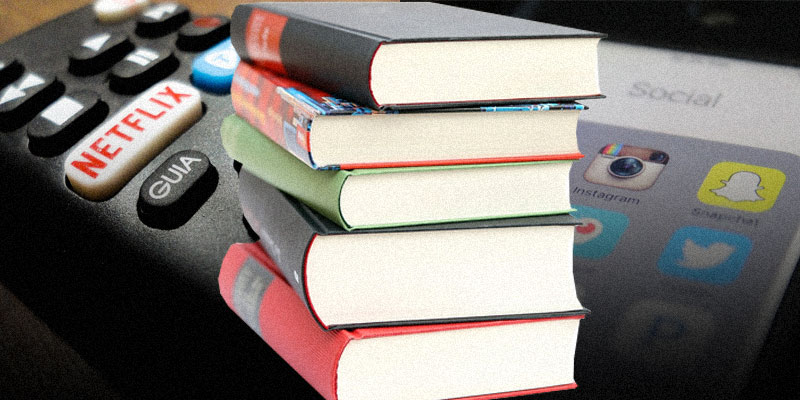
We have infinite options for leisure and infinite alternatives to reading, the most dangerous of which is probably binge watching (comedian Jim Gaffigan has a great bit on this – watch here).
The prevention of literature in our day doesn’t come from despots or regimes but from ourselves, from our lack of taste for enlightenment.
We still have a taste for accomplishment, but that manifests itself more often in the completion of a Netflix series than the completion of a novel or long magazine article.
It’s an old, tired appeal, but pick up something and read it, if only for the reassurance that you’re actually still literate. You could start with Orwell.
@jeremywbeaman is a contributing writer for Yellowhammer News